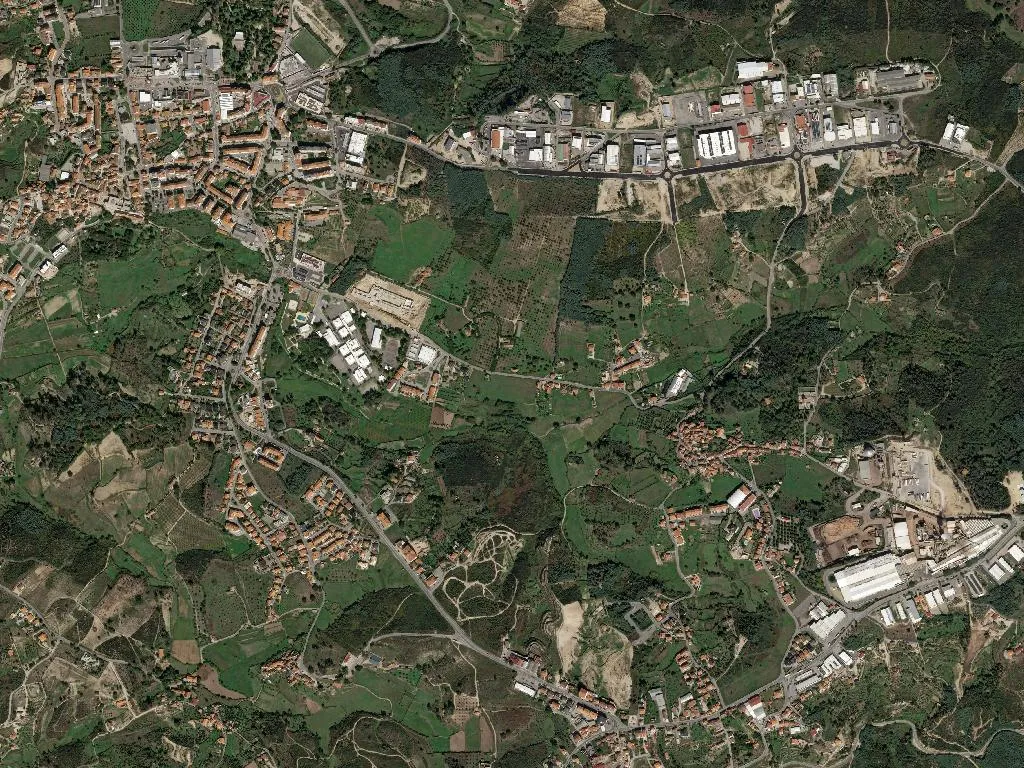
Full article about União das freguesias de Oliveira do Hospital e São Paio de Gramaços
From pilgrim hostel to chanfana clay pots, the merged parishes pulse with Beira Alta flavours
Hide article Read full article
Where the Stones Speak
Monday, 8:30 a.m. A white van brakes in front of Oliveira’s market hall and unloads crates of Beira Alta IGP apples, their skins mottled by 500-metre nights. On the neighbouring table, Serra da Estrela DOP curd still weeps whey; the cheesemaker weighs it out in 100 g increments, no labels, no middleman. Fair day. Nothing else matters.
The Hospital That Never Treated Anyone
The town’s name is a red herring. The “Hospital” was a twelfth-century hostel documented in 1137, sheltering pilgrims shuttling between the coast and the interior highlands. The olive trees that gave the settlement its prefix still quilt the surrounding slopes. São Paio de Gramaços, tacked on in the 2013 merger, refers to the pea-sized quartz nodules that crunch underfoot in the local schist. Together the two parishes count 5,835 souls, two town-council counters and one joint budget.
Gilt Wood and Clack of Wooden Rattles
Inside the parish church, eighteenth-century gilt carvings flare against blue-and-white 1700s tilework; the ensemble has been national property since 1977. Outside, a Manueline stone cross invites a palm to its worn shaft—climbing is discouraged. Easter Sunday at dawn, the Compasso procession swaps bells for wooden rattles; traffic stops between six and eight. The Romanesque chapel at São Paio hides baroque frescoes in its side aisle; ask at the parish council office for the key. On 26 August the churchyard hosts an open-air evening fair: raffle tickets €0.50, grilled sardines €2, plastic cup of Dão white €1. Downstream, the six-arched Roman bridge at Vila Pouca da Beira keeps its original paving; after rain the limestone is treacherous. Park on the approach road and walk.
Goat That Bathes in Wine
Chanfana is not a stew; it is surrender. Kid goat is simmered for three hours in clay and Dão red until the meat slides from the bone at the nudge of a spoon. O’Ceste (Rua D. Maria de Todos os Santos 15) does single portions for €10 or a tureen for four at €38; open Wed–Sun, ring ahead. Adega Regional on the main avenue lists it as Thursday’s prato do dia. Order rye bread to mop the sauce and a bowl of boiled potatoes to dilute the alcohol. Finish with pumpkin jam (€2.50) or a palm-sized Santa Clara pastry (€1). Serra da Estrela cheese runs €18 a kilo at Mercearia Central; ask for a wheel with uncracked rind so the centre stays spoonably runny.
The River Beneath Everything
At Sandomil the Alva widens into a flagged river-beach; water quality is tested weekly, entry is free, the kiosk sells iced coffee and vinho verde. PR2 OH, an 8 km way-marked trail, follows the east bank to Vila Pouca da Beira in two and a half hours—fill your bottle at the fountain. The restored Ponteiro water-mill grinds corn on Saturday afternoons; the miller will let you turn the stone if you ask. Geopark Estrela noticeboards appear every 500 m; site 9, “Garganta de Sandomil”, is a quartzite gorge where diving is banned—the current is savage. For the ridge view, drive the municipal road to Picoto da Melriça; the last 2 km are compacted earth, room for six cars at the top. The old railway station at Vila Pouca has been reborn as Turim Serra da Estrela flats—one-bedroom units from €70 a night, two-night minimum out of season.
Schist Lanes and Vineyards at Dusk
Detour to Avô: park before the one-lane bridge and follow the alley to the quay. At 7:30 p.m. in high summer the sun drops behind the serra and the Alva becomes a sheet of polished copper—bring a polarising filter. Return to Oliveira via the EN17: a corkscrew of 40 km/h bends threaded between olive groves and Dão vineyards. At Quinta dos Moinhos you can buy unlabelled bottles from the cellar door on Thursdays, 3–6 p.m.