Full article about São Gião: where the bell tolls above 341 souls
Stone lanes, woodsmoke coffee and roast leitão at 705 m in Portugal’s quietest village
Hide article Read full article
The morning air arrives sharp at 705 m, laced with woodsmoke slipping from stone chimneys. São Gião wakes without urgency, a hush that only city ears find heavy. Schist walls flake like stale pastry along lanes just wide enough for a donkey and conviction; they end at a church that would make an art historian weep for all the wrong reasons. Seventeenth-century, locals claim—what matters is the bell still tolls for every soul that slips away.
Village backbone
Parish records credit 1854 with civil status, yet no one recites the date. Life orbits two poles: the whitewashed chapel where the priest still shakes dust from winter coats on Sundays, and the bar whose espresso machine hisses like an impatient cat. No one expects grandeur; only that the roof stays above worshippers and the coffee arrives before the foam sulks.
What the mountain brings to the table
Order the leitão—milk-fed lamb roasted until the skin shatters—and don’t flinch when it lands on a cracked clay plate. The cheese arrives in oozing wedges your grandfather would have called “gym-sock aromatherapy”; tear at the crusty loaf from Lourosa’s bakery because São Gião’s own ovens cooled years ago. Apples bite back, and the requeijão (a ricotta-like curd) comes in a supermarket tub, yet tastes like dairy sermons your taste buds stopped believing in.
Walking among broom and boulders
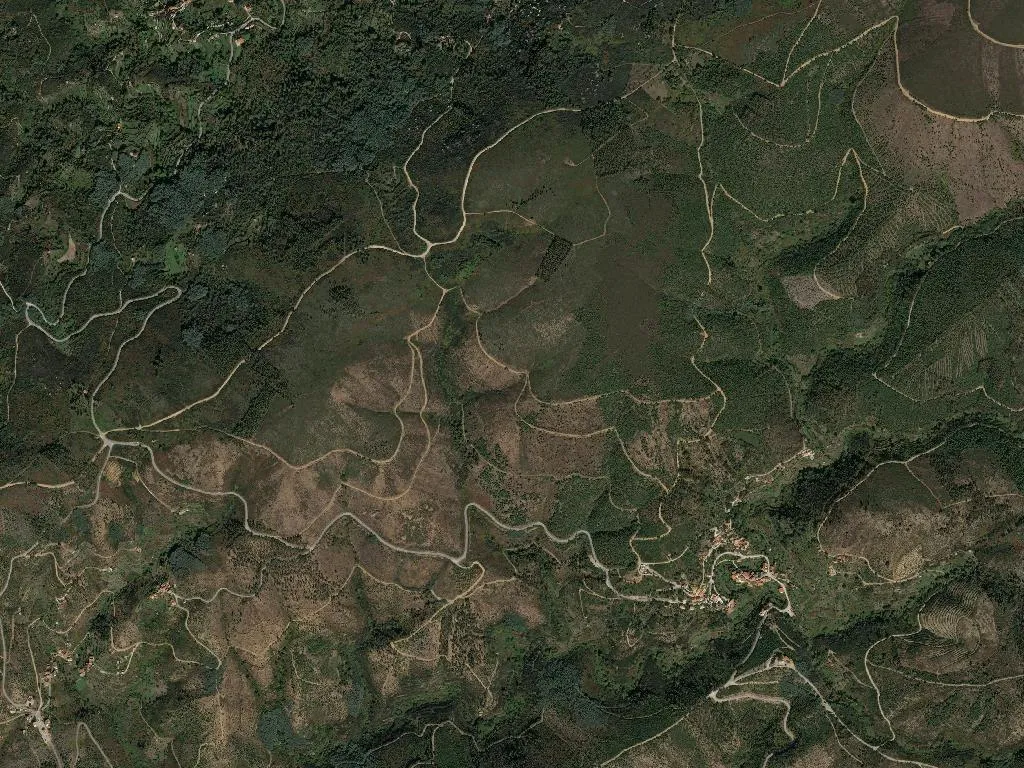
Maps are useless; directions begin at the low wall beside the last inhabited house, continue to the eucalyptus grove, then “follow your nose downhill to the stream”. No way-markers, no phone signal—just the resinous tang of rockrose and warm manure guiding you over calf-sculpting hills where stones bully your boots. Silence is punctured only by a diesel tractor with bronchitis or a mongrel rehearsing echoes.
The slow pulse of 341
Census clerks count 341 inhabitants, though potholes outnumber pedestrians. Most residents were already paying taxes when Portugal’s 1974 revolution unfurled. Children total twenty-three—one per diligent grandmother’s hand, including Dona Aurora’s holiday grandson. Roof tiles or coffin wood: whichever purchase comes first decides the future. Meanwhile, the bar opens when Sequeira’s alarm clock feels like it, and yesterday’s bread still smells of yesterday.
Late afternoon sun ignites the schist walls; silence shifts from absence to witness. Every creak of Celestino’s gate, every hush of the stream below, stores memory for whoever returns—expecting everything unchanged, and finding it almost, but never quite, so.