Full article about Podentes: Where Rabaçal Cheese Breathes in Stone
Limestone lanes, wood-fired ovens and DOP Rabaçal still aged on pine in Penela’s hill village
Hide article Read full article
Morning light on limestone
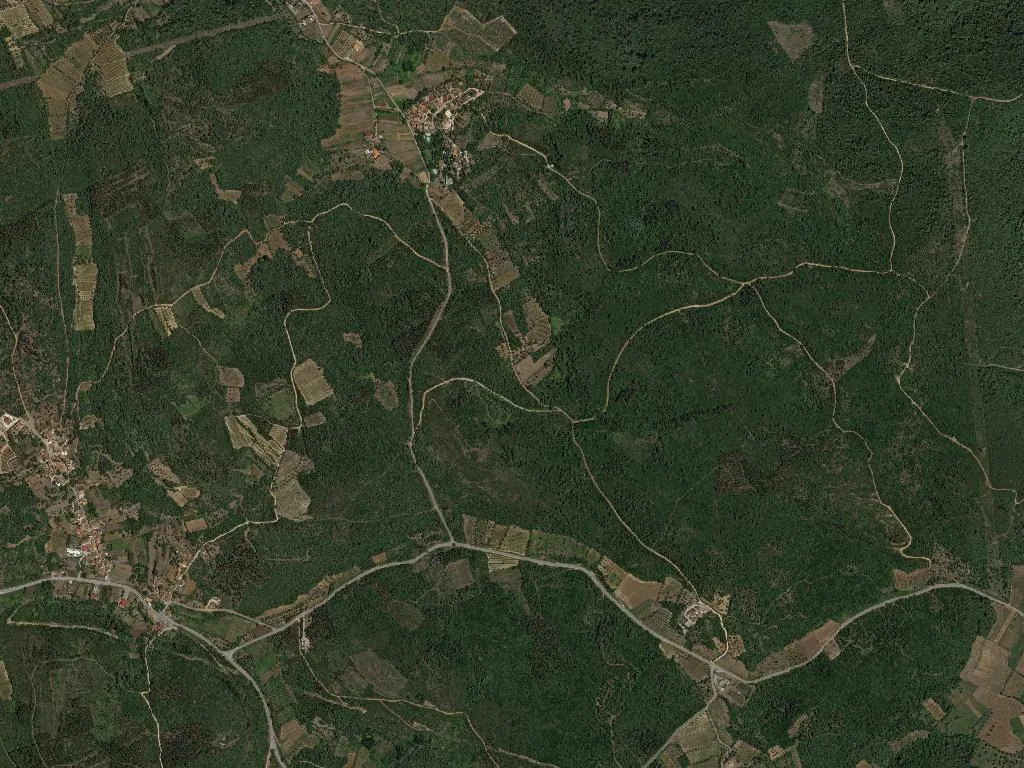
Sunlight slips in at an angle through the schist windows, carving long shadows down the single-track lanes. At 248 m above the Dueça valley, Podentes wakes to the low cough of a diesel gate and a dog barking somewhere beyond the olive terraces. Four hundred and seventy-three people live on this slab of calcareous earth seventeen kilometres square, and for most of them cheese has always been more than lunch – it has been currency, memory, calling card.
The taste of the pasture
The milk for DOP Rabaçal cheese begins here, where sheep and goats graze between outcrops of limestone and waist-high dry-stone walls. The protected status is not bureaucratic ornamentation: it is the village’s shorthand for centuries of trial and error that proved this particular mix of shallow soils, wild thyme and spring-cold water produces a curd that sets silk-smooth and finishes with a gentle, almost yoghurty tang. In Zeferino’s workshop beside the church, the rennet is still bought from a husband-and-wife team who drive over from Oliveira do Hospital every Wednesday. The young wheels rest on untreated pine shelves, slowly knitting their straw-coloured rinds while the air moves through gaps as old as Zeferino’s grandmother, born 1923, who learned the craft from her elder sister and never saw a thermometer.
Stone that keeps the heat
The only officially listed building is the chapel of São Brás, yet the real fabric of Podentes is its lageira houses – low, long buildings roofed with monolithic stone slabs where bread is still slid into wood-fired ovens on chestnut peels. The limestone absorbs the day’s heat and releases it after dark, which is why my grandmother’s rooms behind the Carreira spring stayed cool even during the scorching August of 1994. Seven holiday lets have now been stitched into the warren of alleys; Dona Albertina’s keeps the stone sink in the yard where she once thumped sheets clean before the ten o’clock mass.
Numbers that echo
One hundred and fifty residents are over sixty-five; forty-eight are under fifteen. Walk the main street and you feel the ratio: the stationery shop shuttered in 2008, Lopes’ café open only at dawn and again when the quarry shift trundles up the N347. Yet stubborn continuity persists. António still plants maize on the upper terraces his father registered in 1973, and between my birthplace and my uncle’s house an olive grove now fills the space planted in 2015 by Domingos’ grandson, back from Switzerland with savings and a drone.
Dusk smudges the western ridges with copper. Wood-smoke rises straight into the cooling air before unravelling. A cat crosses the lane without breaking stride, vanishes down the passage where, in 1982, the old mine blew and Sr Alcino fled in carpet slippers. The smell is of damp earth and crushed cistus, the faint flicker of Dona Amélia’s satellite news, the creak of my father’s wicker chair as he drags it to the threshold to catch the last light.