Full article about Rice paddies & dawn tractors: Degracias e Pombalinho
Between Soure’s twin hamlets, time is set by tractors, tides and tomato-scented arroz
Hide article Read full article
The Tractor at 7:15
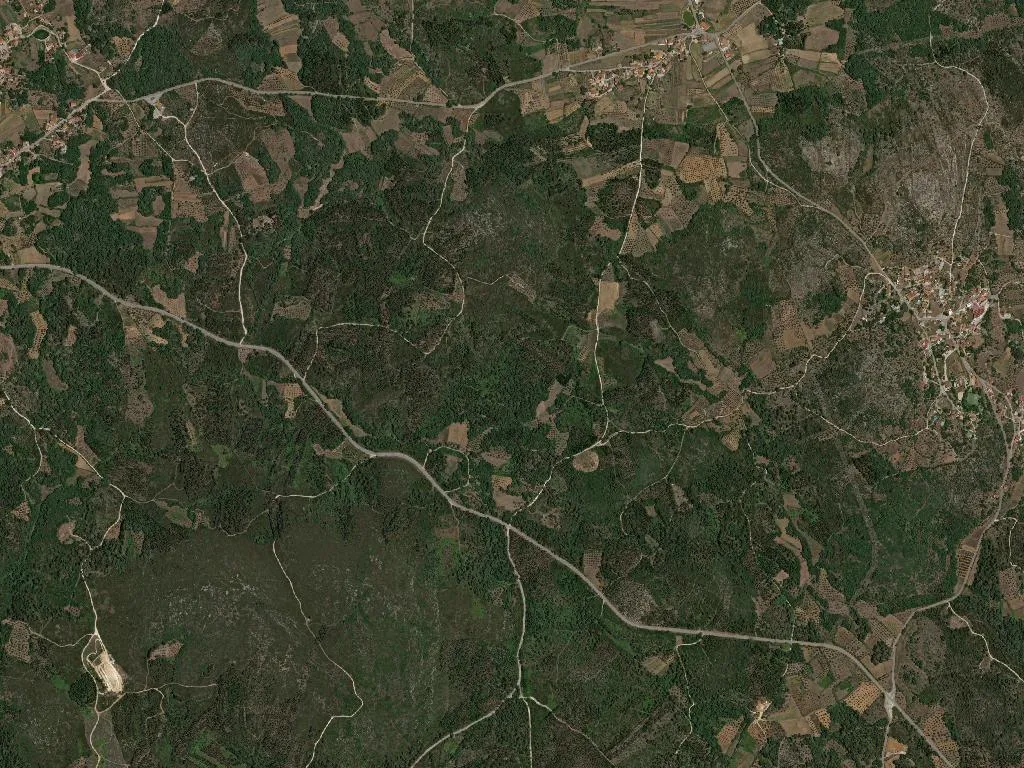
At 7:15 sharp the first tractor fires up. The diesel clatter ricochets off the whitewashed walls of Degracias’ church, drifts across the paddies and reaches Pombalinho’s chapel just in time for the 8 o’clock bell. Between the two hamlets the Mondego’s alluvium has been persuaded, over centuries, to grow nothing but rice: first mirror-bright floodwater, then a rippling green carpet, finally a brittle bronze battlefield of stalks left after the combine has passed. No one hurries. The driver’s gloved hand on the wheel sets the day’s only tempo.
The 2013 merger that glued the parishes together changed nothing on the ground. Degracias still keeps its stone-fronted Igreja Matriz and a gilded baroque altarpiece paid for by a decade of raffle tickets. Pombalinho still leaves its diminutive chapel unlocked, candles burning for whoever passes. Unmarked stone bridges, mud tracks known only to GPS-averse tractors and the occasional egret: these are the real administrative borders.
What you’ll eat
Arroz Carolino do Baixo Mondego IGP—fat, short grains that drink up stock—appears as tomato rice, duck rice or the bloody, iron-rich cabidela. Marinhoa beef, browning in an enamel pot since dawn, becomes ensopado rich enough to spoon sideways. Match a wedge of sharp Rabaçal DOP with crusty pão de água and finish with D. Alice’s wood-oven sponge, sold only on feast days. In Soure itself, O Ribatejano and Café Central serve a single daily dish; menus are imaginary.
Calendar
April: fields reflood, tractors become boats.
September: combines crawl beside grain lorries.
Between: glossy ibis and black-winged stilts drop into the paddies.
No way-marked trails—just follow the levy banks and carry binoculars. At dusk drive the CM604 to the ridge; the Mondego floodplain unfurls like a parchment all the way to Coimbra’s distant wind turbines.
January
20th: São Sebastião. Mass ends, the procession leaves Degracias at nine, walks the lane to Pombalinho and turns home. Bring a coat; the Atlantic wind has teeth. Summer brings each village’s romaria—string-lighted squares, grilled sardines, midnight dances. No tickets, no timetable: arrive early, borrow a plastic chair.
1,049 people, ten per square kilometre. Emptiness is the point. Yet life announces itself: Zé Alberto’s second-hand John Deere, the sweet smoke of stubble fires, the thud of D. Alice’s door at curfew. When the engine note finally dies, the smell of wet earth and running irrigation water takes over, as insistent as cathedral incense.