Full article about Samuel, Soure: rice-scented plains of Baixo Mondego
Where cattle graze marshland and elders stir tomato-rich Carolino rice in Portugal’s quiet interior
Hide article Read full article
The scent arrives before the sight
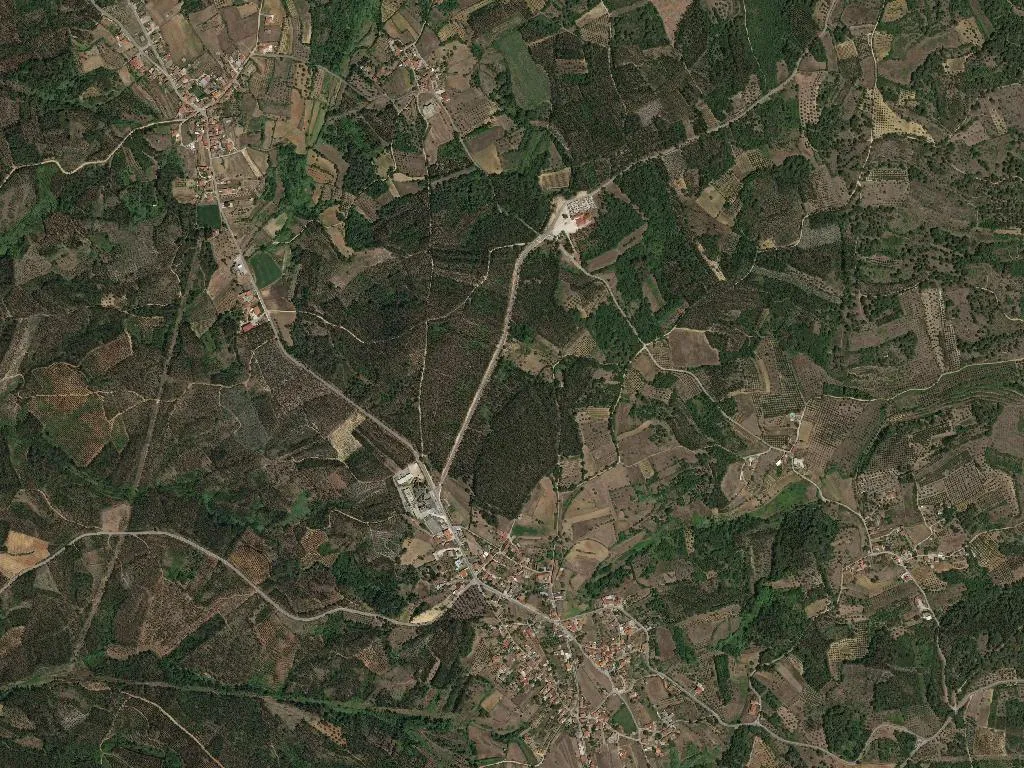
Warm earth, just turned, drifts into the car like the first whiff from an oven when the loaf is ready. In the heart of the Baixo Mondego, the alluvial plain unrolls in a chequerboard of greens and browns that shift with the season – summer paddies mirroring the sky like shards of broken glass, winter fields stretched into sheets of pewter-coloured water. Samuel beats to the twin pulses of flood and harvest; the agricultural calendar is still the only clock that matters.
Barely a thousand souls are scattered across 31 km² – 34 inhabitants per square kilometre, a demographic so thin you can hear the space between neighbours. Four hundred and fourteen are over 65; only 63 are children. The arithmetic tells the familiar story of interior Portugal, yet the same ageing hands once guided ox-drawn mowers through waist-high wheat and still remember when the river decided fortunes.
What the Mondego puts on the table
Nothing here begins in a test kitchen. Daily lunch starts in the paddock and the paddy. Arroz Carolino do Baixo Mondego IGP – a short-grain variety granted European protection – is pantry staple, not Instagram prop. It swells slowly in broths dense enough to coat the spoon, or in risottos that carry the faint mineral tang of the flood plain. On cold days, tomato rice or bean rice lands on bare pine tables without ceremony; the dish has nothing to prove.
Cattle of the Marinhoa breed – dark-coated, broad-hipped – graze the surrounding marshes. Their DOP-stamped beef needs only salt, garlic and time in the pot. Queijo Rabaçal DOP, a velvet, slightly sharp sheep-and-goat cheese from the Centre, is sliced with a pocketknife and eaten with corn-bread from Milheira while the afternoon idles outside Padaria Central.
Horizons of water and grain
Even when the Mondego itself is out of sight, its handwriting is everywhere. At barely 115 m above sea level, Samuel occupies the hinge between coastal flatland and the first ripples that announce the interior. In January the fields revert to lake status; egrets and mallards stitch silver reflections. By April an almost electric green erupts from the young rice, flaring against the umber of newly ploughed parcels.
Walk the unmarked Municipal Road 613: tarmac yields to compacted earth, the Ponte do Arquinho lifts you over irrigation ditches, and wind scuds across the plain without interruption. Beauty lies in the geometry – ruler-straight levees, rectangular paddies, a horizon that refuses interruption.
What remains
Samuel doesn’t court passing trade. There are no classified monuments, no coach parties, no artisanal gelato. A single guest-house, Casa do Rio on Rua Principal, offers three rooms for anyone determined to stay the night. People come instead for the negative space: the slow choreography of sowing and flooding, the taste of beef that has never seen a feedlot, the hush that settles when the last egret lifts off the water at dusk.
When chimney smoke begins to rise straight into the still air, you realise that some places are wealthy in subtraction – in gestures that outlast census counts, in the precise flavour of a single grain, in soil that still remembers how to feed its own.