Full article about Vinha da Rainha: Portugal’s silent rice sea
Flat Mondego paddies, slow-roast Marinhoa beef, zero tourist signs—just village rhythms
Hide article Read full article
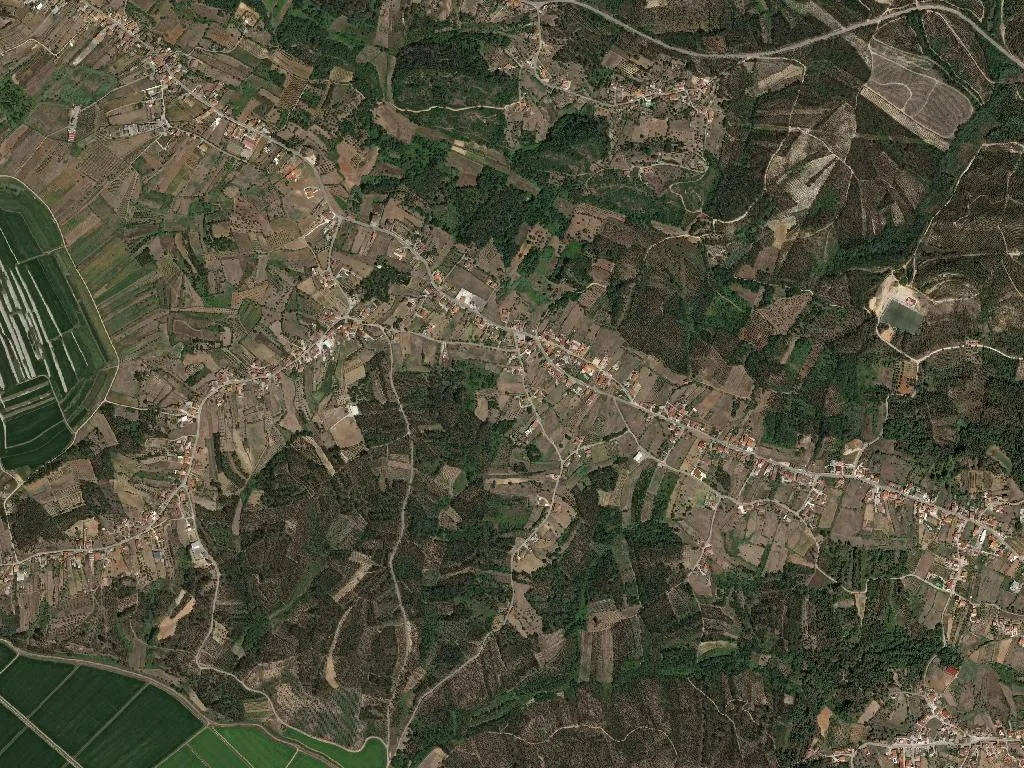
The hiss of rice carries 200 m across damp earth. On one side the Mondego slips past; on the other, 2,000 ha of alluvial flatness shimmer from sage to emerald as the day warms. Altitude: 53 m. Population: 1,215, of whom 53 % are over 65 and only 105 still attend the primary school. Walk for thirty minutes at dawn and you may meet no one at all.
What grows, what arrives on the plate
Carolino rice from the Lower Mondego – short-cycle, IGP-protected – is harvested in early September. The local Marinhoa beef (DOP) hangs for 40 days, then slow-roasts over olive-wood embers. Rabaçal sheep’s-cheese spends 60 days in a 12 °C cellar at 85 % humidity, developing a butter-coloured paste and a peppery rind.
Geography of flatness
Clay soil, poplar rows marking plot boundaries, dirt tracks laid exactly parallel to the irrigation ditches. Seven places to sleep: four self-catering cottages, three rooms in a family house. Book directly with owners; none offers online cancellation. There is no tourist office, no brown sign. To watch the paddies turn into mercury at dusk, drive the municipal road 528 to kilometre-marker 7.3 and wait for 18:00 between April and August.
Pulse of the day
Café Correia lifts its shutters at 07:00; espresso and a custard tart cost €1.30. Silva grocery shuts on Sunday. The only restaurant, O Mondeguinho, fires its ovens Friday–Sunday; order the duck-and-beef rice (€8). The church bell strikes twelve and seven. The nearest pharmacy is 8 km away in Soure. Bring a car: the last petrol is on the A1, exit 9, 18 km distant. The Coimbra–Soure bus passes three times daily; hitching the final stretch can take ten minutes or an hour.
There is no itinerary. Only the plain, the scent of olive-wood smoke and a pot of rice murmuring on the stove.