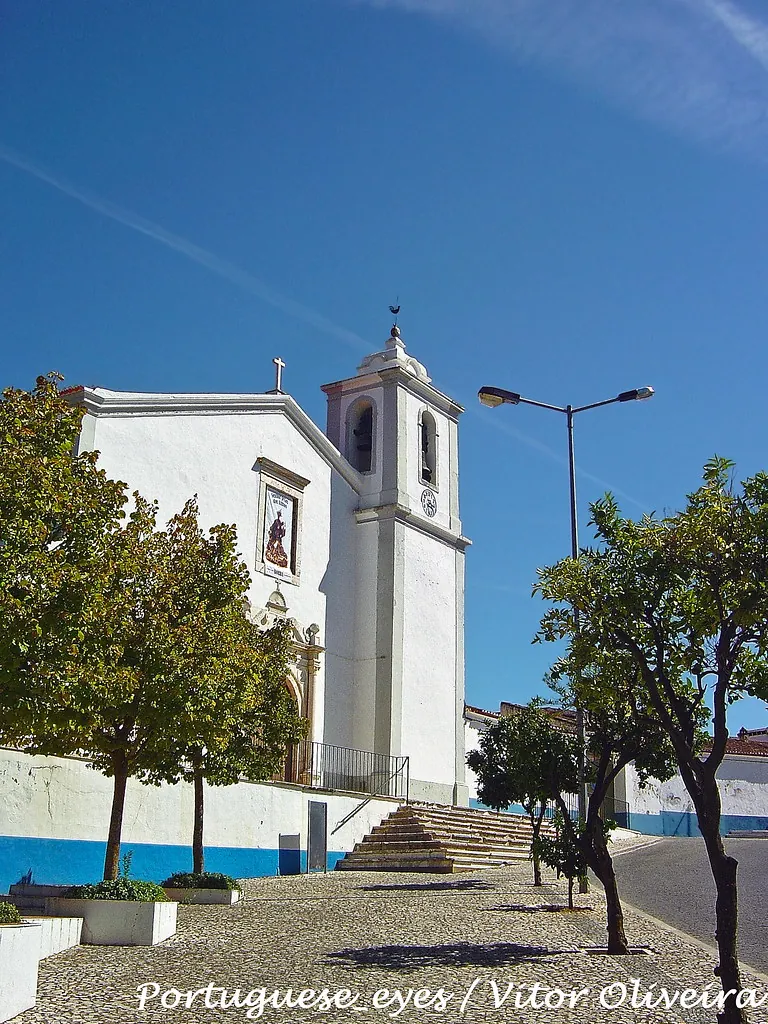
Full article about Borba’s Marble Heartbeat Echoes Through Quarry and Taverna
White stone streets, sizzling chouriço and limestone-kissed wine define Borba village life.
Hide article Read full article
The earth coughs up white stone
Dawn in Borba hurts. At six o’clock, when the sun first slices the quarry face at Fonte da Pipa, the marble reflects like a mirror aimed at your eyes. Limestone dust rides the wind off the Serra de Borba; it coats the tongue with a mineral tang you can still taste at lunch. Before you see the pit, you hear it: the dry pop of wedges, the steel shriek of the block-cutter, the men’s shorthand—“vai-de-ir”—as they coax a twenty-tonne rectangle from its bed. Local lads call the stone “bloco” the way farmers say “lamb”: a living thing that has to be coaxed, never forced.
Street furniture
The same stone that ships to Macau cladding for luxury towers is, on Rua de São Bartolomeu, simply where Sr António parks himself to unwrap yesterday’s bread. Primary-school infants practise sums sitting on marble steps salvaged from a demolished chapel; hopscotch squares are scored permanently into the slab. Population 3,387, but the figure everyone recites is 27—the tally of active quarries Zé from the tascas counted last night, missing two fingers yet still insisting “a pedra é que manda”.
November smoke
When the sun drops before the television news finishes, the air thickens with lard and rosemary. It’s matança weekend at avó Rosa’s: the pig splits on a cellar table of unpolished marble, blood tracking the stone’s natural gutter while the dog laps quickly, erasing evidence. A grandson pockets a still-warm farinheira sausage—“take it, but don’t tell your mother”. At Tasco do Lopes, three-finger-thick chouriço sizzles over vine embers; the 2019 red—drought year—cuts like a razor strop across the gums.
Schist and lime in the glass
Vines of the Companhia Pernod plant their roots straight into cracked limestone. Taste the cooperative’s entry-level white and the sequence is unmistakable: dust, then lime-zest, then an almost saline thirst. Seventeen guest rooms have opened in the old manor houses, but the real bar is the adega itself: stainless-steel hoses, whiff of tartaric acid, Sr Carlos filling an ex-Lidl water bottle so you can drink the lot with tomorrow’s picnic. “Keep it cold,” he warns, “or it turns on you.”
What stays behind
Of Borba’s 930 residents past retirement age, half still meet under the lime trees of the Jardim Municipal, moving marble chess pieces left over from a ruined chapel floor. Children—423, teacher Ana confirmed last week—pinch the off-cuts for toy car tracks. Stone does not age; it absorbs years. In the new cemetery every headstone is local: milk-white or veined like broken biscuit. Late sun strikes them and the glare ricochets into nearby kitchens, a silent flare that summons both the absent and the still-to-come. Marble, they say round here, outlasts longing itself.