Full article about Arcos: Smoke, Olives & Plum-Sweet Silence
Alentejo hamlet where IGP chouriço cures, olives drip gold and sun-dried plums glow.
Hide article Read full article
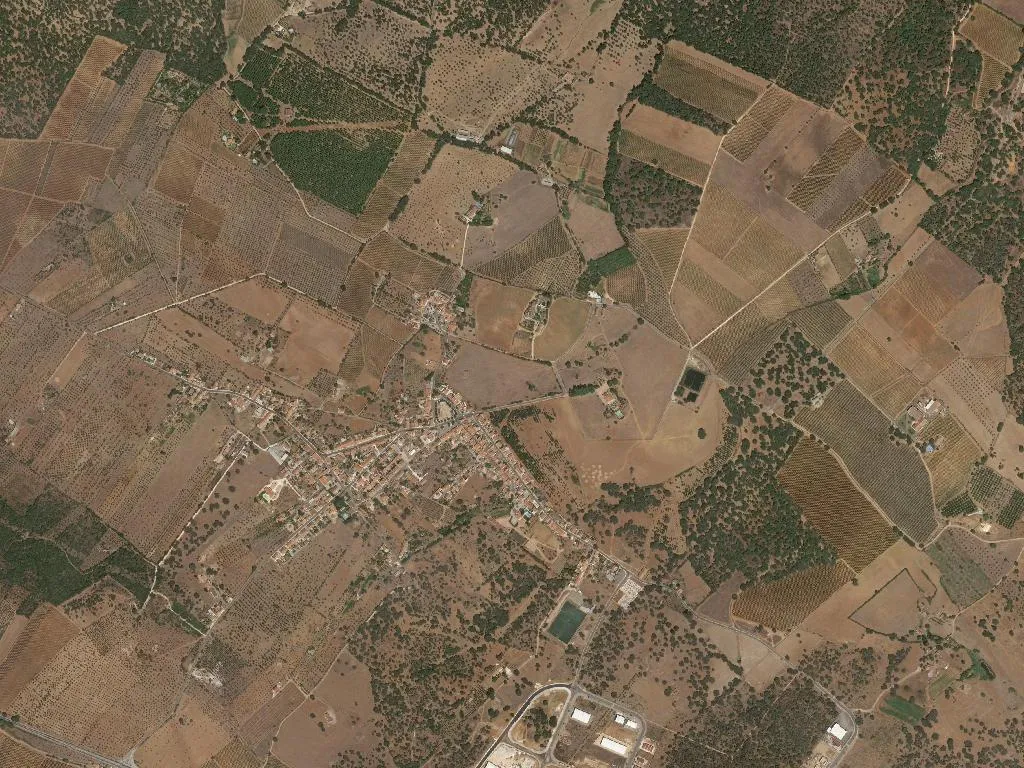
The scent of oak-smoked chouriço arrives before Arcos itself. At 426 m the Alentejo plateau breaks into low, chalky ridges and the wind carries the smell of cured pork, cold-pressed olive oil and the faint sweetness of sun-dried plums. Only 1,016 people share 23 km² here, a density low enough for every voice to carry across the churchyard yet just high enough to keep the silence from becoming absolute. Ten kilometres east, the marble towers of Estremoz glint; to the west, Évora’s Roman temple waits for day-trippers. Arcos stays put, watching its olives ripen.
A landscape of certified charcuterie
Pig fat rules the calendar. Between November and February the matança still turns farmyards into open-air laboratories: pork shoulder meets sweet paprika, garlic and rock salt, then migrates to smoke-blackened larders where Chouriço Grosso IGP, Farinheira IGP and Morcela IGP swing like burgundy-coloured organ pipes. The EU stamps matter; local butchers display the same orange-rimmed cylinders their grandfathers did, proof that geography and patience can be trademarked.
Olive oil is the other constant. Olival Moura, one of the village’s two lagares, presses Queen-of-Spain olives within hours of harvest, yielding Norte Alentejano DOP oil with 0.2 % acidity and a tomato-leaf aroma that makes supermarket “extra-virgin” taste like cotton-seed. Locals drizzle it over açorda — a coriander-scented bread soup — or stir it into migas, breadcrumbs that drink up juice from grilled pork loin. At dinner it meets Queijo de Évora DOP, a sheep’s-milk cheese aged six months in stone cellars whose rind carries the imprint of esparto grass mats.
Plums, orchards and convent sugar
Arcos sits just inside the orbit of Elvas, Europe’s largest preserved plum-producing region. From mid-July the terraces fill with pickers filling wicker baskets with purple-skinned rain-claudia plums. Spread on reed trays, they shrivel for five days under 40 °C sun, concentrating sugars until they become Ameixa d’Elvas DOP — wrinkled amber discs that appear at Christmas stuffed with almond or poached in port for convent-style sweets.
42 neighbours per square kilometre
Demography reads like a quiet elegy: 343 residents over 65, only 102 under 14. The primary school has two classes; the doctor visits twice a week. Yet the rhythms hold. In September the air clatters with tractor trailers of grapes heading to the Borba cooperative; December brings canvas nets shaken under ancient olive trunks. Five low-slung guesthouses — white-walled, blue-shuttered, Wi-Fi optional — offer immersion rather than itinerary. Guests wake to wood-smoke, walk red-dust tracks between holm-oaks and return for supper of ensopado de borrego, lamb stew thickened with mint and last year’s bread.
Dusk fires the schist walls copper. Smoke climbs straight from chimneys, carrying the scent of holm-oak and the promise of another round of aguardiente. Luxury, here, is measured in centilitres of olive oil, in millimetres of slow-cured fat, in the moment a distant dog barks and the plateau answers with silence thick enough to taste. You leave Arcos without having photographed a single monument; instead you carry the memory of flavour that stains your fingers like wine.