Full article about Sunlit Cork Oaks & Whispering Stones in Tourega-Guadalupe
Walk Tourega e Guadalupe, Évora: tread hollowed Roman stones, hear the bell toll off-time, taste açorda under a fig tree
Hide article Read full article
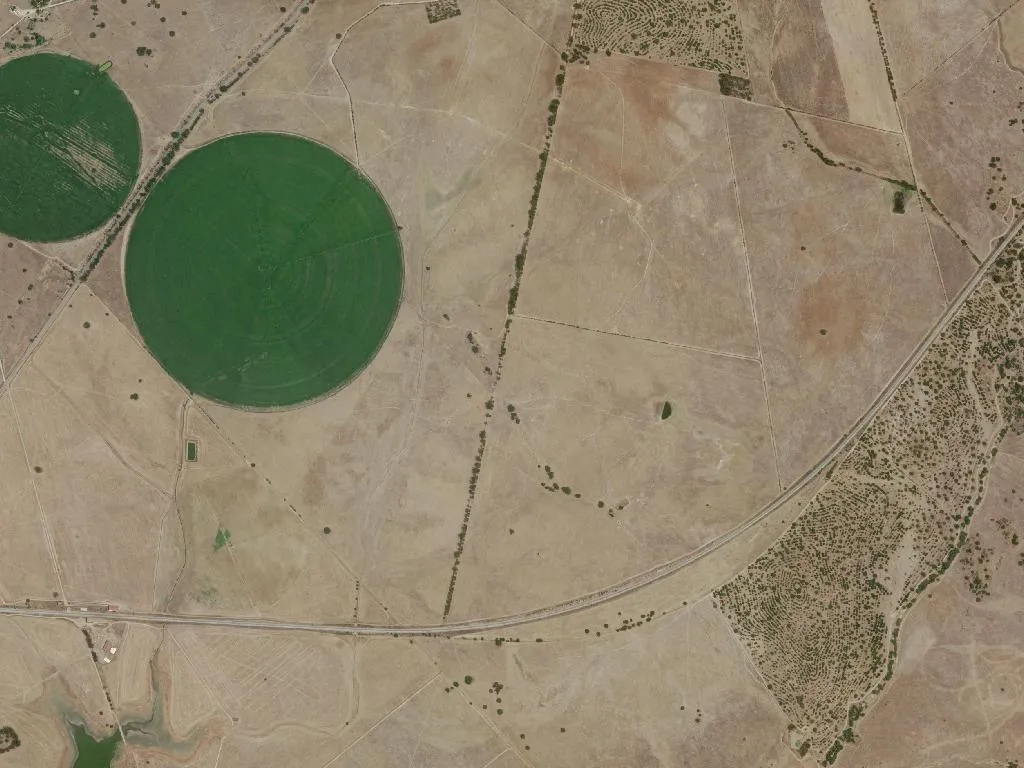
The afternoon sun doesn’t spread – it clings to the cork-oak trunks as if refusing to leave. In the civil parish of Tourega and Guadalupe, silence has weight; not vacancy but presence. You hear it between the rasp of olive leaves and a dog’s bark that sounds beamed in from another century. The westering light sets nothing ablaze – it merely gilds the low schist walls, while the scent of warmed earth mingles with rosemary clinging to loose-stone tracks. The map says 211 m above sea level, yet all you feel is the plain opening endlessly beneath your feet, broken only by a lone cork oak or a holm oak that appears to have grown while waiting for someone.
Stone and Faith
Guadalupe’s chapel stands right beside what remains of the Roman road – not a ghost alignment but honest stones, scooped hollow by centuries of footfall you can still feel barefoot. Inside, the limewash drinks all light, leaving the nave in permanent dusk, as though time stalled in the 1600s. The air smells of melted candle stub and wet granite – genuinely wet, because the roof leaks when the Atlantic rolls in.
Tourega’s church is served by three streets that simply meet, a handful of one-storey houses and a tower that still tolls the hours: three at noon (never on the dot) and six at sunset (whenever that happens).
Of the ten listed monuments, most are chapels opened once a year – if you know which neighbour keeps the key. On Mondays it’s Dona Lúcia; Thursdays, Senhor Joaquim.
Taste of the Plain
In Ti’ Rosa’s kitchen the açorda is not “aromatic”; it smells of garlic that latches on to your jumper and coriander chopped on a board scarred by grandmothers. The bread is yesterday’s, rock-hard, softening only when the broth erupts. Lamb stew doesn’t simmer “gently”; it mutters for three hours while you stand at the doorway with a glass of red, in the shade of the fig tree if it’s hot, by the stove if winter is sharpening its teeth.
Évora DOP cheese arrives in knifed-off shards that crumble through your fingers. The olive oil isn’t “northern Alentejo”; it’s from Ze Manel’s press two farms along the lane, slightly bitter this year because the rain arrived at the wrong moment. Queijadas are not “little temptations”; they are Dona Albertina’s wood-oven buns, each a different lopsided shape, gone before they cool.
Cork and Olives
Climb the hill behind the primary school and the view does not “unfold in swathes”; it simply is. On one side Sr Américo’s cork oaks, on the other the cooperative’s olive grove, hit hard by scale this season. Paths need no waymarks – they are the lines people walk to reach wells, barns, the road. Cork is stripped in August when Ze Manel brings his crew up from the Algarve, leaving the trunks raw red as if embarrassed until a new skin grows.
The parish head-count is 995, everyone recognisable; let a stranger drive through and someone is already phoning to ask whose cousin has arrived.
The Weight of Quiet
When the sun drops behind the Serra de Monfurado the silence is not “deepening”; you simply become aware of your own inner monologue because nothing else offers competition. Crickets don’t “chirp”; they drone until the wind shifts. The slammed door belongs to the neighbour fetching logs; the fountain’s murmur is laundry water slapping stone.
What lingers is not “timeless rural rhythm” but the tang of wood-smoke drifting from Sr Joaquim’s vegetable patch, the diesel growl of Ze’s tractor at seven sharp, and the square of kitchen light spilling from Ti’ Rosa’s house long after you thought every soul was asleep.