Full article about Ciborro: where silence tastes of thyme and sun-baked lime
Walk cobbled lanes between cork plains and PDO honey in Montemor-o-Novo’s whitewashed parish
Hide article Read full article
The walls exhale lime.
In Ciborro, whitewash throws the Alentejo sun back at you with such force that by 3 p.m. your pupils narrow to slits. Silence isn’t absence; it’s the hush you feel inside a chapel whether you believe or not. The only punctuations are the scrape of soles on uneven cobbles and swallows arguing overhead, frantic to go nowhere in particular.
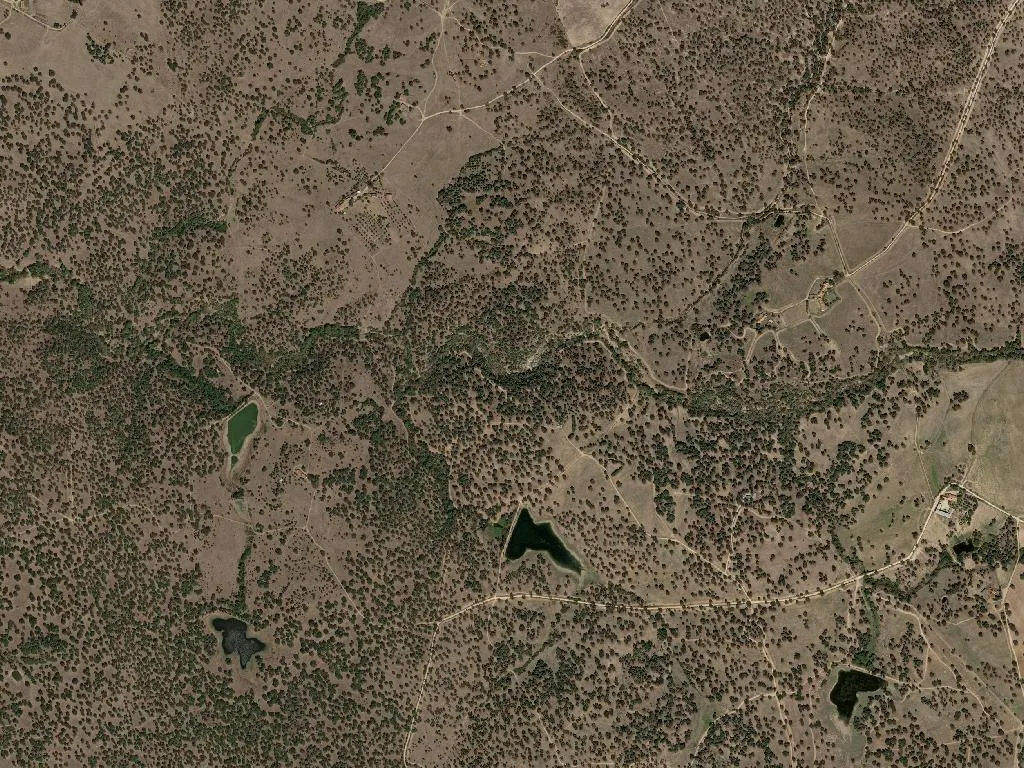
Five-hundred-and-ninety-one souls are spread across 5,000 hectares—so few that, if you transplanted them to a single Porto café, tables would still be free. Geography follows the maths: wheat fields, cork plains and olive terraces roll out between houses, and the horizon bends enough to remind London eyes that the Earth is actually curved.
The stuff of time
Six classified monuments dot the parish: three National Monuments, two Properties of Public Interest. Yet history here doesn’t arrive with audio guides. It hides in a wall where the stonework droops—evidence the mason started the morning with a bottle of red—and in the step outside No. 14 worn smooth by Zé’s grandmother while she shelled lupins.
The village has greyed with the century. Census tick-boxes show 231 residents over sixty-five; only 54 children still tear along the lanes. Decades cling to the walls like the smell of wood-smoke; time is measured in harvests, not iCal. What the spreadsheets miss is institutional memory: ask any of the 591 who someone’s grandfather was and you’ll be told the nickname, the wartime story and which cousin emigrated to France in ’83.
Tastes with paperwork
Three protected foods root the kitchen. IGP Montemor-o-Novo lamb grazes on rockrose and stubble, the meat tasting faintly of thyme and grain. DOP Évora cheese ripens in rooms where Dona Amélia still follows her mother’s recipe—PDO label or not. Spring flowers on the plain become DOP Alentejo honey, the colour of late-afternoon light. These aren’t menu adjectives; they are groceries that sit heavy in your palm and linger on the tongue long after lunch.
Vines stitch the same landscape. When a neighbour pours you a glass of sun-steeped red at eleven in the morning, refusal registers as insult. Accept, and you taste the arithmetic of latitude, granite and drought in one swallow.
Plain rhythm
Four small guesthouses offer keys to this slower gear. There are no crowds to avoid, no selfie queues, no shuttle buses. Instagram returns zero hashtags. Instead you get dawn without an alarm, walks that finish when the sky turns lilac, and a night sky still genuinely dark. Ciborro is where you land when you’re tired of “next slide”.
Late afternoon, shadows stretch like taffy and whitewash glows amber. Somewhere a dog barks twice—then remembers the code of quiet. The hush settles again, thick as the lime that coats every wall: breathable, protective, refusing to crack. A place, you realise, that fits only certain silhouettes. But when it fits, it fits like a second skin.