Full article about Nossa Senhora do Bispo: where silence tastes of Évora cheese
Wheat stubble glows, medieval chapel bells and thyme-fed lamb in Alentejo’s quiet parish
Hide article Read full article
The light that clocks off late
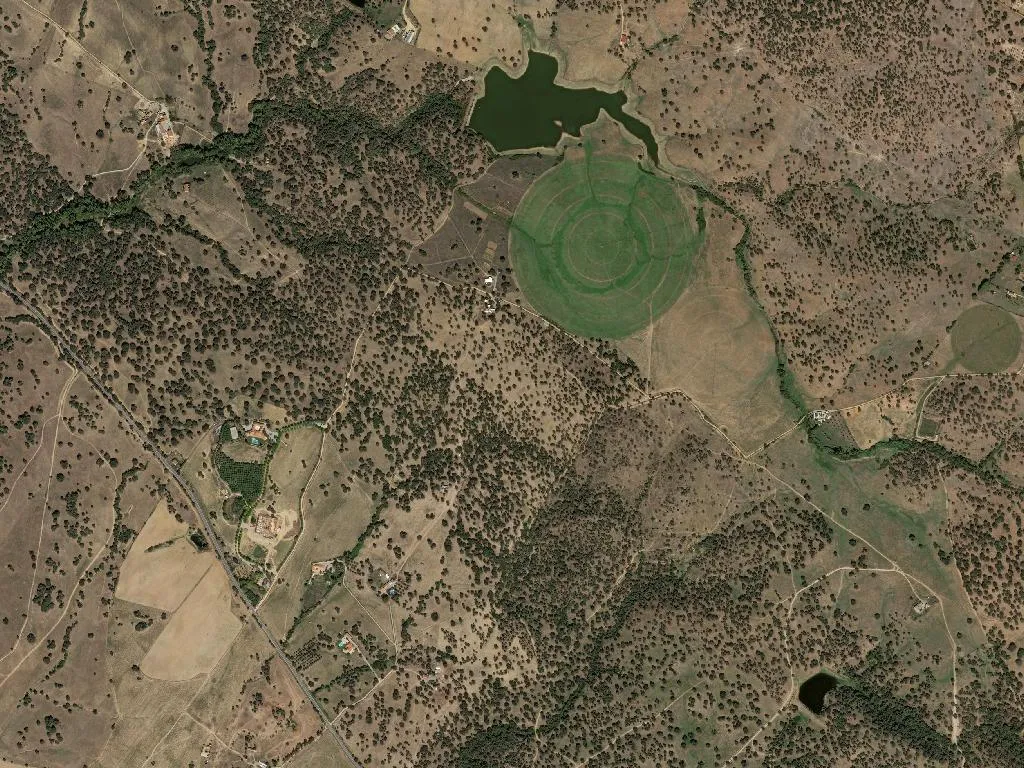
The sun clocks off late over the Alentejo, dragging its shift across 12,000 uninterrupted hectares until the wheat stubble glows like the filament of a bulb. Inside the farmhouse, a DOP-marked wheel of Évora sheep’s cheese – the one my grandmother simply called “the real thing” – sweats gently on a deal table, its terracotta rind the exact colour of the soil outside. Beyond the window the silence is almost viscous, the kind that settles after the last plate is pushed away and no one can be bothered to break it. In Nossa Senhora do Bispo the horizon is a physical fact; you can watch a neighbour’s tractor for three kilometres before you hear it.
The chapel that got there first
The parish takes its name from a lone medieval chapel whose bell once served as the only GPS available: see the tower, ten minutes on foot to supper. A parchment from 1328 already lists the building, rubber-stamping what every local knew – this tract of cork and wheat was theirs by occupation long before it was anyone’s by law. The chapel still stands, but the demographic arithmetic has shifted. Of the 3,612 inhabitants, 937 are old enough to begin sentences with “In my day…” while only 469 have yet to reach the ballot box. Do the sums and you realise the fields outnumber the future.
What the table’s set with
Montemor lamb carries an IGP passport, earned by grazing on thyme and rockrose until the meat tastes like aromatics rather than animal. Stew it slowly, as my aunt does, and it slips from the bone at the suggestion of a spoon. The cheese arrives second – DOP-protected, unlike my London-dwelling cousin – followed by honey that José da Silva harvests from three hives he inherited with the family cork groves. It carries the flavour of damp earth and nameless wildflowers, a taste supermarkets haven’t learned to barcode.
Yesterday’s bread becomes today’s migas, fried with garlic and drippings; açorda, stubborn as a toddler, refuses to leave the bowl without persuasion. Both are irrigated with Alentejo red poured from unlabelled jugs – wine that never asked permission to exist.
Where the plain outruns you
I counted 23 places to stay last week, all of them houses that still behave like houses – no infinity pools, no spa playlists. In summer the landscape is the colour of chilled Vinho Verde; by February it deepens to the bitter-green of roadside chicory that my father-in-law swears “cleans the liver”. Stand on the raised earth bank at dusk and the chimneys begin their evening shift, exhaling the scent of burning olive wood in single file. Inside, the stew murmurs; on the board, the cheese waits, patient as the last good idea of the night.