Full article about São Cristóvão: a hush where time drips like cork sap
16 km² of Alentejo silence, 17 prehistoric menhir and one bar that opens for football
Hide article Read full article
Silence in São Cristóvão is measured in footfalls. Walk the cobbled lane that threads the village and twenty minutes can dissolve before you meet another soul — 494 neighbours occupy 16 km² of Alentejo cork and holm oak, and most are somewhere else. The seasonal stream turns this into Venice after Christmas rain, then desiccates to cracked mud by August. Commerce is Mr António’s front-room bar: open when the television inside is on, closed when the football finishes.
Stones that remember
Three kilometres north, a farm gate left permanently ajar gives onto the Megalithic Complex of Tojal. Seventeen granite menhir stand among cistus and wild lavender, demarcating a 5,000-year-old burial ground. No ticket booth, no audio guide, only kites overhead and the crunch of boots. Bring water — there is no fountain, no café van, just the immutable geometry of prehistoric surveyors. The tallest stone was felled by zealots in the last century; in 2000 the village hauled it upright again with a hired crane, rope burns on palms for days after.
A church without its pastor
The single-nave Igreja de São Cristóvão is never locked, yet Mass is an occasional indulgence. Inside, a polychrome St Christopher, patron of sudden storms, has faded to pastel but retains his faintly maritime stare. Sixteenth-century frescoes flake like old posters, revealing limestone the colour of bone. The key to the sacristy hangs with Dona Idalina in the blue house opposite; knock twice and she’ll appear, wiping flour from her hands.
Where supper happens
There are no restaurants. If you want dinner you telephone Sr Joaquim two days ahead (266 89 XX XX). He decides the menu according to the morning’s foray or whatever neighbour has bartered: black boar stew, rabbit with pennyroyal, chicken stewed in tomato and massa de pimentão. Lamb comes from Montemor, cheese from Saturday’s market in Évora. Bring wine — the house pours only what visitors carry.
Summer population boom
José Saramago drafted part of The Gospel According to Jesus Christ in a whitewashed cottage whose shutters now stay closed. On Fridays Lisbon licence plates multiply; second-home owners air bedding and fill the soundscape with clinking ice. The third Sunday of July is the single moment São Cristóvão feels crowded: an arrail in the square, bifanas sizzling for €3, brass bands echoing off stucco until the parish council cuts power at 2 a.m. It is the only night the through-road is still.
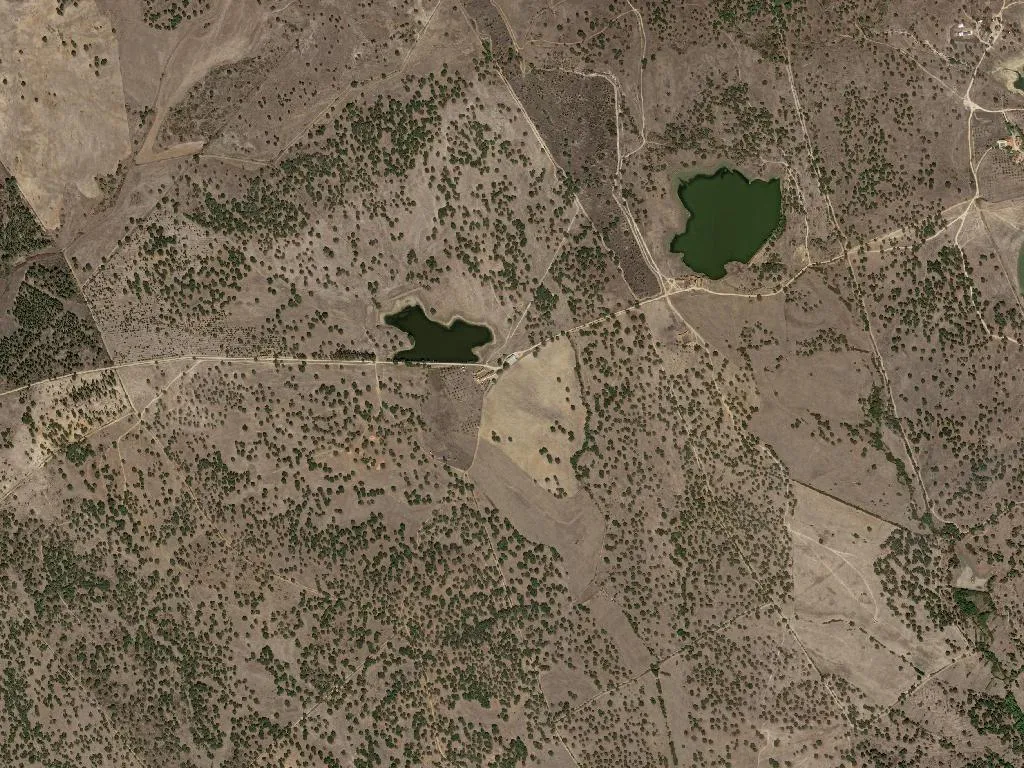
Reservoir and scrub
Pego do Altar reservoir lies twelve kilometres west along a single-track tarmac that smells of eucalyptus. Access is free; fishing is allowed with an online licence. In August the water is bath-warm, the bottom silky with silt. Five kilometres south, the Calcanhar do Mundo — “Heel of the World” — is a thicket of gorse and broom where Bonelli’s eagles nest; wear long trousers or the gorse will tattoo your calves.