Full article about Alqueva: Village That Became a Shoreline
In Alentejo’s Alqueva, whitewashed lanes end in copper water where olives once grew
Hide article Read full article
Water on the Whitewash
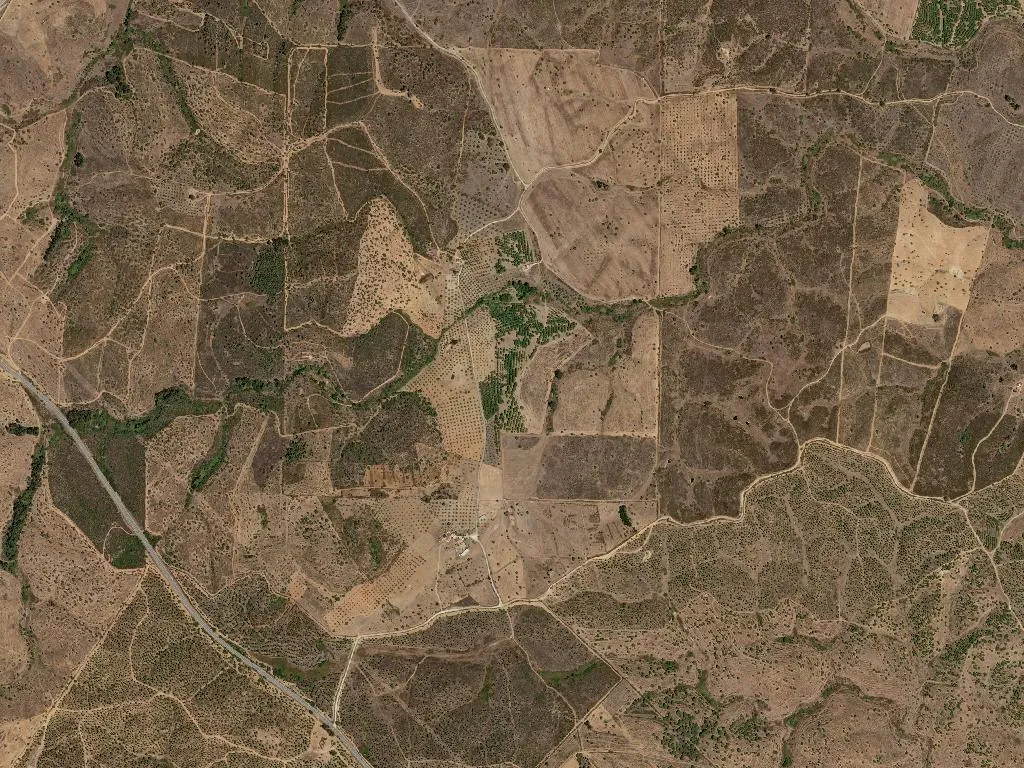
Sunlight ricochets off limewashed walls and lands on the lake that never used to be there. Alqueva—265 residents scattered across 78 km² of southern Alentejo—now inhabits two timelines at once: the pre-2002 village and the shoreline of Europe’s largest man-made reservoir. The dam rewrote the map, drowned olive groves, yet left the daily cadence intact. On winter dawns fog lifts from the water like a second river; silence gathers weight, something you can almost cup in your palms.
Stone, Sky and the Counting of Hours
Listed heritage begins and ends with the parish church, Nossa Senhora da Conceição, bleached the same ivory as every house. Its single bell still tolls the hours for whoever still counts. At 222 m above sea level you don’t need a viewing platform—stand anywhere on the ridge and the eye skims across copper-coloured water to almond blossom that looks like grounded cloud, then to goats browsing among 1,000-year-old olives. In the oldest cottage walls schist keeps the scent of last night’s hearth; smoke clings like family history.
Lunch at Zé’s Pace
Café da Vila is a two-table, four-stool affair where Zé pours olive oil pressed from his father’s 1980s granite mill. The cheese travels 18 km from D. Rosa, who still hand-delivers ewe’s milk to the Cuba co-op; the lamb is reared by Nuno within earshot of the church. Everything swims in Mr Jaime’s clay-pot red, served in thick stubby glasses that survived every dishwasher trend. A meal lasts two hours because the tale of the flooding demands repeating, with diagrams drawn in spilt wine.
The Arithmetic of Staying
Official figures draw a stark graph: 101 elders, 16 children, 3 inhabitants per km². Yet the maths misses the invisible census—Lisbon licence plates at weekends, August grandchildren, French and German buyers who re-hung shutters but left the cracked lintels. Nine registered guesthouses, yes, but also cousins sleeping in roofless rooms made whole again, campervans pulled under holm oaks, astronomers waiting for Orion to rise over the dam wall.
Borrowed Light
Alqueva will not Instagram easily. There are no ticketed viewpoints, no nightly illumination. What pulls you in is light itself: Guadiana water turning molten orange as the sun slips behind the Serra de Portel; windless evenings when clouds duplicate in the lake; nights so dark the Milky Way feels like an intrusion. You hear only your own footfall on dirt, the echo of a dog called Bobi who guards the last house before the water, and the church clock that still keeps Greenwich mean Alentejo time.
Silence here is not emptiness; it is material. Those who demand constant stimulus leave empty-handed. Accept the tempo of hot stone and cool shade and you learn that slowing down is a skill: lunch stretching into siesta, an afternoon given to watching colour migrate across the water, the moment body and calendar finally synchronise.