Full article about Campo & Campinho: silence, cork and wheat-red earth
Ride empty tracks between 200-year-old cork oaks in Reguengos de Monsaraz’s forgotten plain
Hide article Read full article
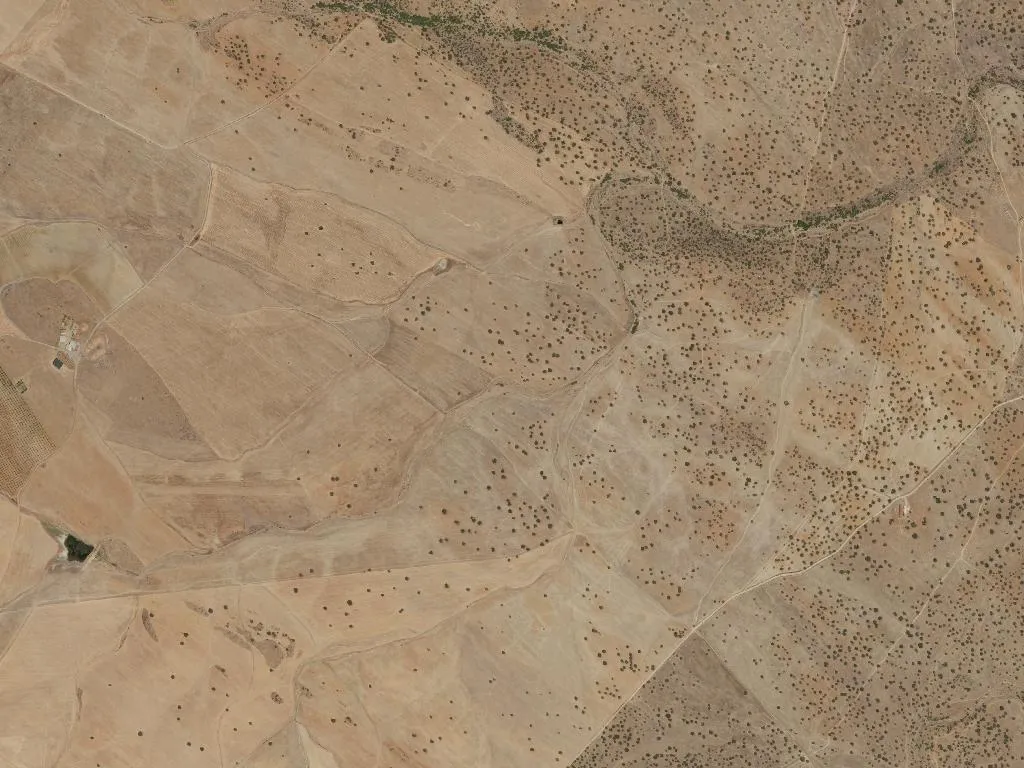
A holm oak throws a hard, black shadow across the biscuit-red soil. Nothing stirs except the wind worrying the leaves and, somewhere above the heat-bleached sky, a black kite whistling its two-note call. From the modest 176-metre ridge the land rolls away like a gently rucked carpet: 177 km² of cork oak and pasture shared by barely 1,100 souls. Out here every human encounter feels like an event.
Estate land with a Moorish memory
Campo and Campinho were separate parishes until 2013, when the government stitched together two mirror-image hamlets on the open plain. Their story begins with the Moors, who terraced the dry slopes and taught locals how to coax wheat and olives from thin, granitic soil. After the Christian reconquest in the 13th century the whole area was folded into the royal domain of Monsaraz, and the latifúndio system took root: vast estates, tenant labour, and a silence broken only by the seasonal clang of the wheat-threshing sledge.
Ride or walk the dirt tracks today and you still trip over that lineage—stone water troughs cut from single blocks, windowless granaries the colour of old bone, cork oaks whose fissured bark has been harvested every nine years since Victoria was on the throne.
Substance, not show, on the table
There is no tasting-menu theatre here. Food is fuel and folklore combined. A plate of açorda—stale bread revived with garlic, coriander and a poached egg—arrives steaming, the herbs so fresh they sting the eyes. Lamb stew is thickened with mountain bread and sharpened with mint; migas, fried crumbs laced with pork belly, are winter’s answer to central heating.
Évora DOP sheep’s-milk cheese, aged six months in cool cellars, has the crumbly creaminess of a young Manchego and the faint acidity that begs for a glass of Reguengos red. Look for small-producer bottles of Aragonez and Trincadeira at Quinta do Esporão’s rural outpost just outside the parish boundary; staff will open anything if you ask nicely and buy the accompanying olive-wood cutting board.
Cork country at its own pace
There are no way-marked trails, no audio guides, no souvenir kiosk. You navigate by instinct, by the position of the sun, by the distant bark of a dog. Hire a bike in Reguengos and follow the farm tracks west: the montado opens like a loose umbrella, each cork oak given 15 metres of breathing space so sheep and acorns can share the grass. Egyptian vultures tilt overhead; starlings rehearse their dusk choreography without an audience.
The climate is Mediterranean-continental—scorched summers that turn the pasture the colour of manila envelopes; winters mild enough for olives yet sharp enough to force the sheep into low stone byres. Everything grows slowly, including the people. A cork oak needs twenty-five years before its first usable harvest; conversation with a local farmer can take almost as long.
As the afternoon ebbs the light thickens to honey, catching on the furrowed trunks and turning them amber. Somewhere a sheep bell tolls twice, then silence again. What lingers is the scent of warm resin and dry grass, and the certainty that true luxury is not having to share it with anyone.