Full article about Corval’s Golden Winter: Olive Presses, Cork & Lake Alqueva
Baroque candlelight, 24 mills dripping oil, electric boats on Europe’s largest lake—Corval distilled
Hide article Read full article
Whitewashed Baroque
The parish church unlocks at ten. If the oak doors stay shut, knock at the blue-shuttered house opposite – António answers, key in hand, for two euros. Inside, candlelight skitters across an eighteenth-century gilded altarpiece while 1950s azulejos in peppermint and parchment cool the nave. Two kilometres north along a chalky farm track, the Chapel of São Sebastião stands permanently open; swallows loop through its stone ribs.
Liquid gold
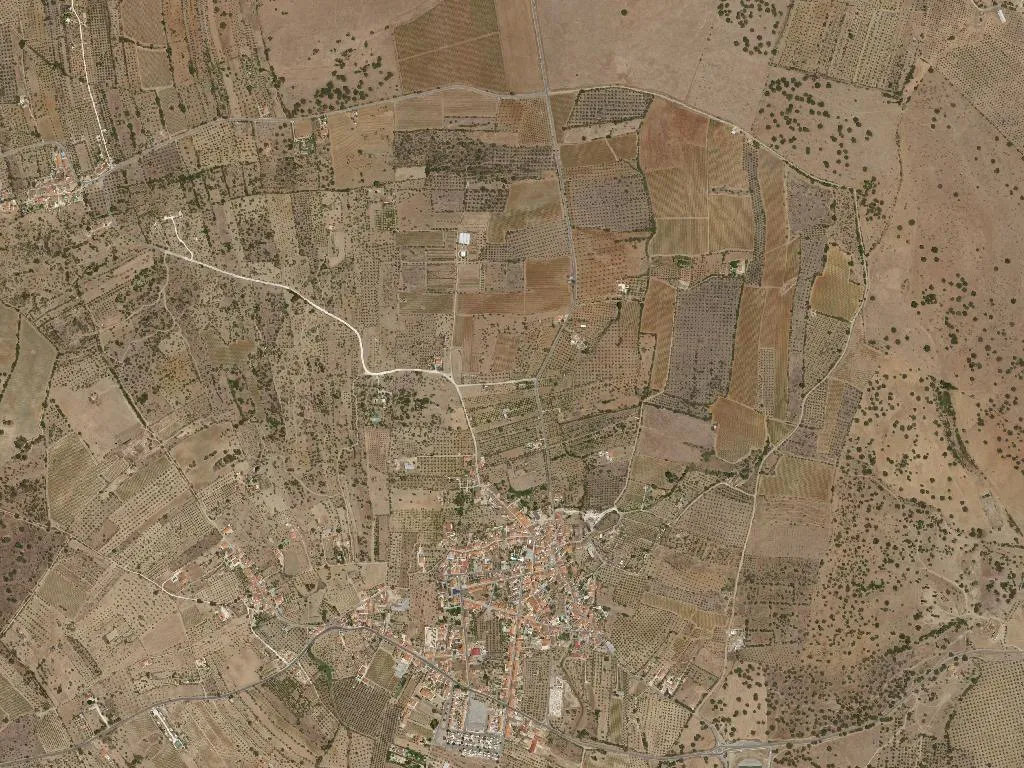
With 24 olive presses for 1,308 souls, Corval smells of crushed fruit all winter. The agricultural co-op, the largest mill, runs weekday tours at three – call 266 509 110 first. November to January the air is thick with oleic mist. Pick up DOP-certified oil at the tourist desk inside the old primary school: eight euros a litre if you bring your own bottle.
Cork, sheep and Europe’s largest lake
Fifteen minutes south-east the Alqueva reservoir spreads like polished steel. At Amieira marina you can pilot an electric boat without a licence – forty euros for two hours. Back in the village the way-marked Mill Trail starts behind the church, five kilometres of yellow blazes through cork oak and wild thyme; carry water – no springs.
One table, one stove
O Alpendre is Corval’s solitary restaurant. Wednesday is lamb stew day. House red arrives in one-litre flasks for four euros. Ask to taste Mr Manuel’s aged sheep’s cheese; he lives third house past the cemetery and sells it for twelve euros a kilo.
Bed down at Casa do Forno, a converted bread oven run by Dona Lúcia (926 345 789), from sixty euros a night.