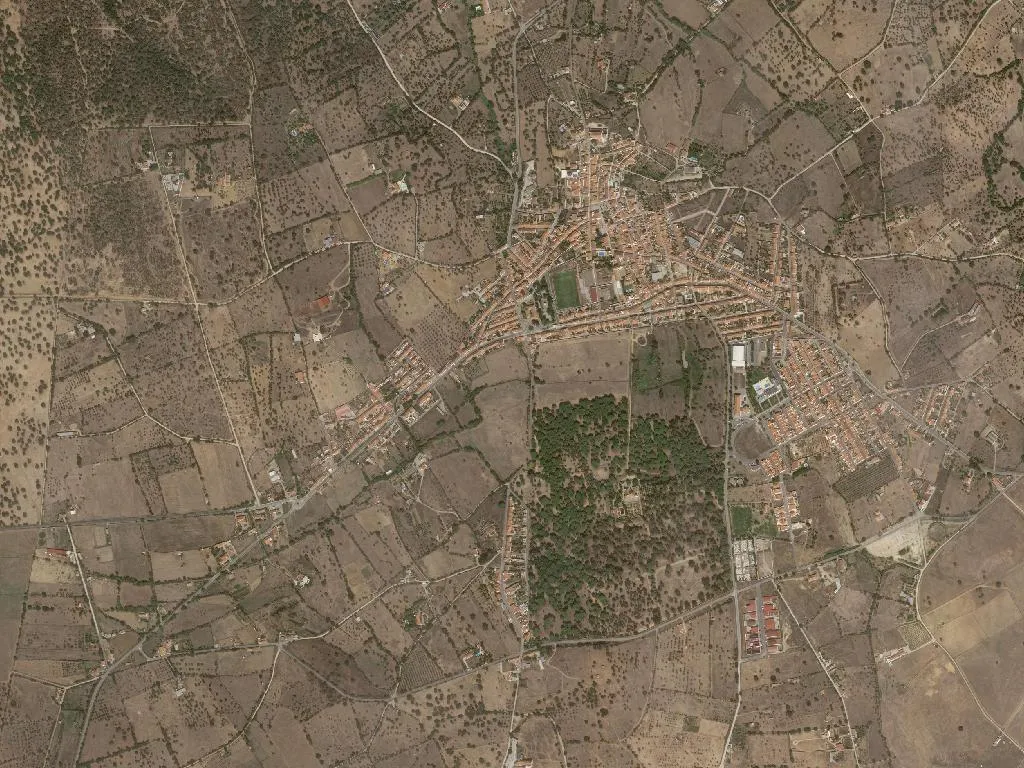
Full article about Alcáçovas: where gilded cherubs greet smoke-wrapped dawn
Neolithic tombs, 1573 pillory and April revolution secrets sleep under Alentejo bone-white skies
Hide article Read full article
The first light of morning slips through the saddle of São Bartolomeu’s south window and ignites the gilded cherubs on the altarpiece. Outside, Largo da Gamita’s 1573 pillory throws a blade of shadow across the uneven limestone cubes; every footstep ricochets off the whitewashed carapace of the old town gaol. Alcáçovas wakes reluctantly: wood-smoke and warm bread braid in the air, and the Alentejo sky keeps its ancient agreement to bleach everything the colour of bone.
Citadels in the plural
The name is a clue – al-qasaba, “citadel” in the plural, a nod to the watchtowers that once bristled above these open fields. Repopulated in the thirteenth century, the village was granted a royal charter and became a brief stop-over for Portuguese monarchs negotiating dynastic marriages. Yet the moment that really altered the nation happened quietly on 9 September 1973, on a knoll between here and Viana do Alentejo: the first clandestine meeting of the officers who, seven months later, would dismantle the dictatorship on 25 April 1974. The plain keeps its secrets better than any archive.
Three monuments are listed for protection: the Neolithic tombs of Anta da Pedra Branca and Monte da Caneira rise from cork groves like stone whales speckled with sulphur-yellow lichen, while Largo da Gamita itself – pillory, gaol, manor houses carved with limestone coats-of-arms – forms the parish’s gravitational centre. A mile outside the village, the whitewashed hermitage of Nossa Senhora da Saúde becomes the focus of a barefoot pilgrimage each September; thousands follow dirt tracks between olive and cork to reach it, the north wind dragging the scent of eucalyptus bonfires behind them.
Convent and campo on one plate
Alcáçovas cooks in two registers – field and cloister. On the savage side: three-hour lamb stew puddled with wrinkled potatoes; garlic-and-cilantro açorda enriched with poached yolks; soup of baldroegas (purslane) gathered while the earth still steams; asparagus migas that sting and soothe in the same mouthful; and hunter-style partridge, midnight-dark from its wine bath. From the convent come December’s four-day Sweet Fair: Bolo Conde – a moist-centred, cinnamon-laced egg-and-almond loaf – and its regal cousin, Bolo Real. Recipes compiled by nuns refuse to court modern palates; they don’t need to. Between baking demos you’ll hear men’s polyphonic cante echoing off cake stalls and, at dusk, horses clop past the fairground. The 24th edition is already booked; D. Amélia will still fire her wood oven on Rua da Igreja, timing the bake by the parish clock.
Local trincadeira and aragonez reds tame the lamb; cold-pressed Alentejo Interior DOP olive oil anoints the bread. In Café O Celeiro, Zé cuts Bolo Conde thick while it’s still hot enough to scorch the paper.
Megaliths, cork and red-dust trails
The volunteer group Alcáçovas Outdoor Trails has ring-fenced walking and MTB circuits of 10–30 km that loop through dry-stone walls, freshly stripped blood-red cork oak and peach orchards. The Cromlech Trail links the two dolmens, detouring along summer-dry streams and pastures where Alentejo pigs crunch acorns beneath holm oaks. April’s ground is treacherous with fallen mast; the horizon stays obediently flat so sunset can gild the whitewash without interruption. When night cools, the air turns sharp with rockrose smoke from land-clearing fires.
August’s São Bartolomeu festivities graft procession, fair and midnight cante onto the grid of single-storey houses. Bass and contralto voices rise unamplified, linger in the warm alleyways, and are still leaking from Fernando’s tavern at 3 a.m., seasoned with the charcoal breath of chouriço.
When the September pilgrims leave the hermitage, the valley smells of trodden rosemary, melted candle wax and dust raised by bare feet. It clings to laundry hung out the next morning – incense, sweat and dry earth, the invisible souvenir Alcáçovas slips into your suitcase.