Full article about Guia’s smoky frango & sea-salt chapels
Guia, Albufeira: taste 1964-born piri-piri chicken, explore mariners’ chapel, walk fossil-strewn trails to flamingo lagoons and ochre coves.
Hide article Read full article
Smoke, sea salt and the first bite of chicken
At noon the air above Guia is a moving collage of wood-smoke, chilli and Atlantic brine. Carob logs crackle under iron grills, their scent carried inland on the same breeze that rattles the tamarisk along Praia da Galé. On the pavement outside Ramires, founded 1964 and still the yardstick, waiters manoeuvre sizzling spatchcocks the colour of polished mahogany. Skin shatters; juice pools inside the joint; the house piri-piri—Angolan chillies, olive oil, a whisper of whiskey—stings the lips and keeps the fork moving. It was here, on the old Lisbon–Faro through-road, that frango com piri-piri stopped being a colonial souvenir and became Algarve orthodoxy.
The chapel that named the parish
A five-minute walk uphill, the Igreja Matriz glows oyster-white against the sandstone. Inside, a 1575 letter from the Bishop of the Algarve still grants permission for Mass “in the hermitage of Guia, fortress of mariners”. Our Lady of Guia, the sailors’ compass, keeps watch from a gilded niche; her tiny adjunct chapel, seaward-facing, once held a beacon fire to steer caravels home. Around the square, Algarvian roofs slope to conceal rooftop cisterns, and 19th-century windmills have been converted into studios where elderly men repaint their fishing-boat prows the same cobalt they remember from childhood.
Between limestone and lagoon
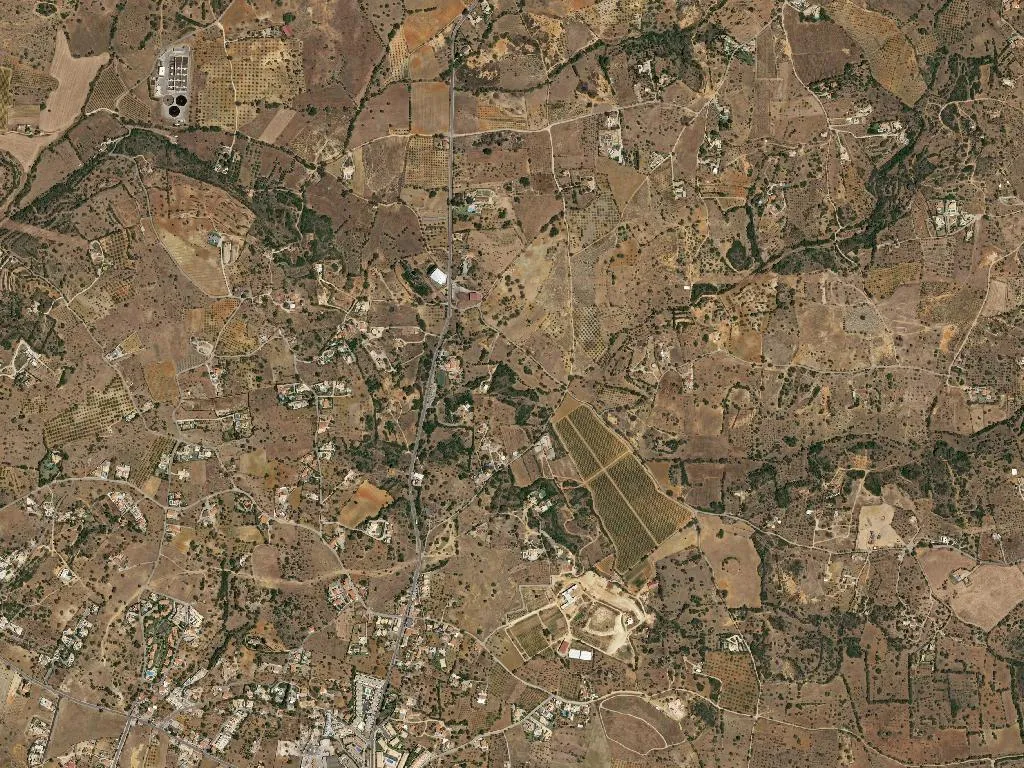
The settlement sits on a low karst shelf only 22 m above sea level, but the relief is enough to let orchards drain towards the ocean. Between olive trunks the ground glitters with fossilised oyster shells—evidence that this was seabed long before it became pasture. Follow the way-marked Salgados trail south-west and you pass orange plots whose fruit is already sun-warm by 9 a.m., rice paddies reclaimed from marsh, and finally the coastal lagoons where greater flamingos needle through brine for artemia. The path ends at Praia da Coelha, a cove hemmed by ochre cliffs that smell of warm juniper; on still days the Atlantic is a sheet of hammered zinc.
Corn, citrus and the politics of heat
Order xerém and you get more than a bowl of cornmeal: you receive a ledger of Guia’s economy. The slow-stirred grain is finished with razor clams dredged that dawn, pork crackling from the morning slaughter, and a ladle of fish stock that tastes faintly of mint—an African trick picked up in Lourenço Marques and carried home. Dessert arrives as a plate of DOP Algarve citrus: a blood orange whose scarlet segments match the chilli on the chicken, and a miniature tangerine bred for export to Selfridges’ Christmas hampers. Locals squeeze the latter over sugar-crusted almond cakes, believing the perfume keeps the afternoon drowsiness at bay.
Dolphins, diesel and the August night
The N125 still bisects the village, but the articulated trucks have migrated to the A22. Their absence leaves space for out-of-season Brits to queue outside O Teodósio, where the chicken is basted so often the flesh stays almost soupy beneath its char. Across the carriageway, Zoomarine’s rehearsal pool flashes silver as common dolphins arc through hoops—an incongruous echo of the tuna pens that once crowded these waters. On the second weekend of August the parish council closes the road for the Festa da Nossa Senhora da Guia: procession, fairground, and stalls selling ice-cold Imperial lager that tastes faintly of the vats it travelled in. At midnight the brass band strikes up a mazurka; by 2 a.m. the smoke from the last barbecue has merged with the fog rolling in from the Atlantic, and the smell of chilli lingers on skin and memory alike.