Full article about Odeceixe: White Windmill & River Border Tales
Silent sails, border river and a Virgin who sails—meet Aljezur's most sideways village.
Hide article Read full article
The White Windmill That Forgot to Turn
The windmill above Odeceixe is still white enough to hurt your eyes, though its canvas sails have not moved since 1963. João, born the year the mill fell silent, remembers the last miller—Mr António—clopping in from the hills on a donkey draped with grain sacks. “The stone floors kept the smell of flour for decades,” he says, running a hand over the lime-washed wall as though checking for a pulse.
Where the Border Runs Through the River
Official maps insist this is the Algarve, yet locals trade northward with Alentejo neighbours because it is simply closer. Parish papers from 1876 stamp the village “Wad as-Sayx”, an Arabic echo that never quite washed out. The river Seixe—Odeceixe’s liquid spine—still refuses to choose sides, sliding between two council areas the way some people slip between dialects. Bread comes from the baker in São Teotónio, the doctor clocks in from Aljezur, the vet drives down from Odemira: three postal codes, one conversation.
Inside the mother church a side door squeals on the same hinge it has tortured since the 1940s. The sacristan keeps meaning to oil it, then forgets, distracted by the perfume of melted wax on damp basalt. Gold leaf on the high altar was burnished twenty years ago, but no one found the funds for the blue-and-white tiles in St Anthony’s chapel; the glazed figures flake away like half-remembered gossip.
When the Virgin Takes a Boat
The first Sunday in September is organised mayhem. From six a.m. women ferry cauldrons of fish stew between kitchens, tasting and adjusting as though the village palate were a single, exact instrument. Down at the Seixe, fishing boats wear crepe-paper rosettes; skippers argue over who will ferry Nossa Senhora da Graça this year—Joaquim’s engine is misbehaving, Zé Manel’s vessel is roomier but he has been at the aguardiente since dawn. When the statue finally descends the wooden steps, someone always repeats the grandmotherly prophecy: if the procession banners shiver, rain will follow before nightfall.
Lunch Before the Tourists Wake
The place with no name—merely “Marisqueira” painted on the door—serves razor-clam rice before midday because the shellfish were coaxed from the sand at first light. “Visitors want photographs, we want the spoon,” Dona Fernanda mutters, sucking broth from her thumb. Sweet potatoes arrive from her son’s plot, buried overnight in the wood-oven embers; when the iron door swings open, caramelised perfume rolls halfway to the bridge. The moonshine medronho is neighbour-bottled in re-labelled mineral-water bottles, and nobody raises the subject of excise stamps.
Where River Becomes Beach
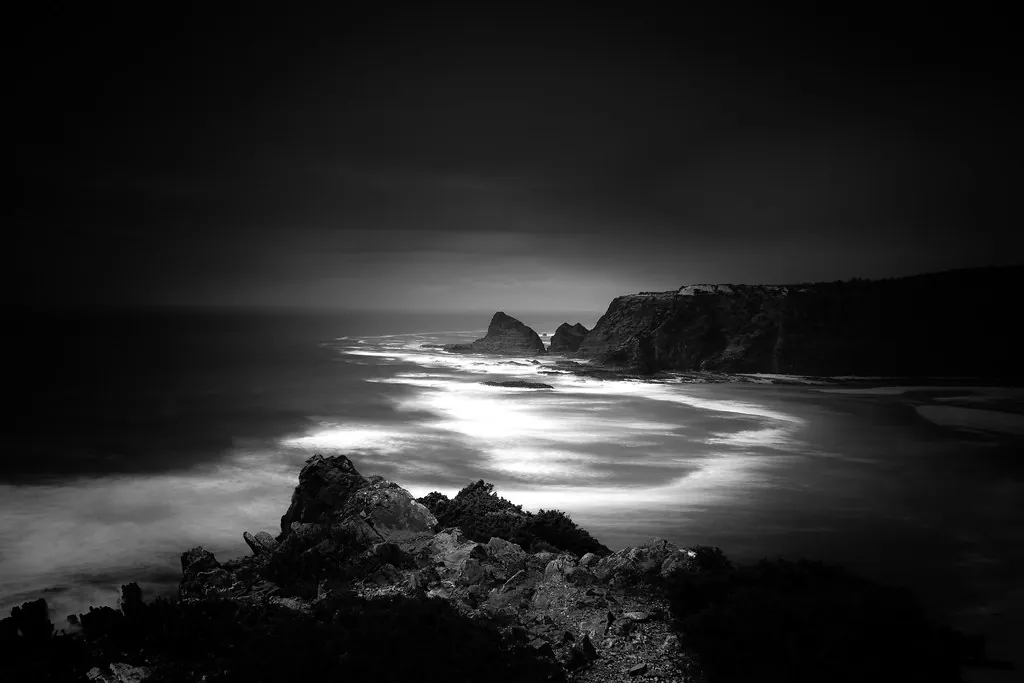
At seven the Atlantic beach is still village property. Fishermen haul the last purse-seine, gulls scrap over the silver spill, and the Seixe whispers its sediment secrets to the dunes. After nine the Lisbon surf brigade appears—roof-racks bristling with boards—but by then the locals already know the swell: they read it in last night’s thunder against the cliffs. From the headland we call “world’s-end lookout” Sr Adriano lights a straw cigarette. “Germans turned up years ago, said this was paradise,” he recalls, grinding the butt methodically into the stone. “Paradise is where you’re allowed to stand still.”
Dona Amélia still climbs to the Fonte das Catas spring even though mains water reached the houses long ago. She insists mountain water makes better dough—and anyone who has torn into her crusty loaf knows the argument is over. When dusk drops and the windmill fades into silhouette, the church bell strikes three times. Not a call to prayer, simply an eight-o’clock reminder that, down in the gorge, the river keeps ferrying pebbles and confidences toward the sea.