Full article about Rogil: Sweet-Potato Earth, Salt Wind & Firewater
Dawn mist lifts over red ridges of IGP tubers, pine woods, wild-distilled medronho and Atlantic air.
Hide article Read full article
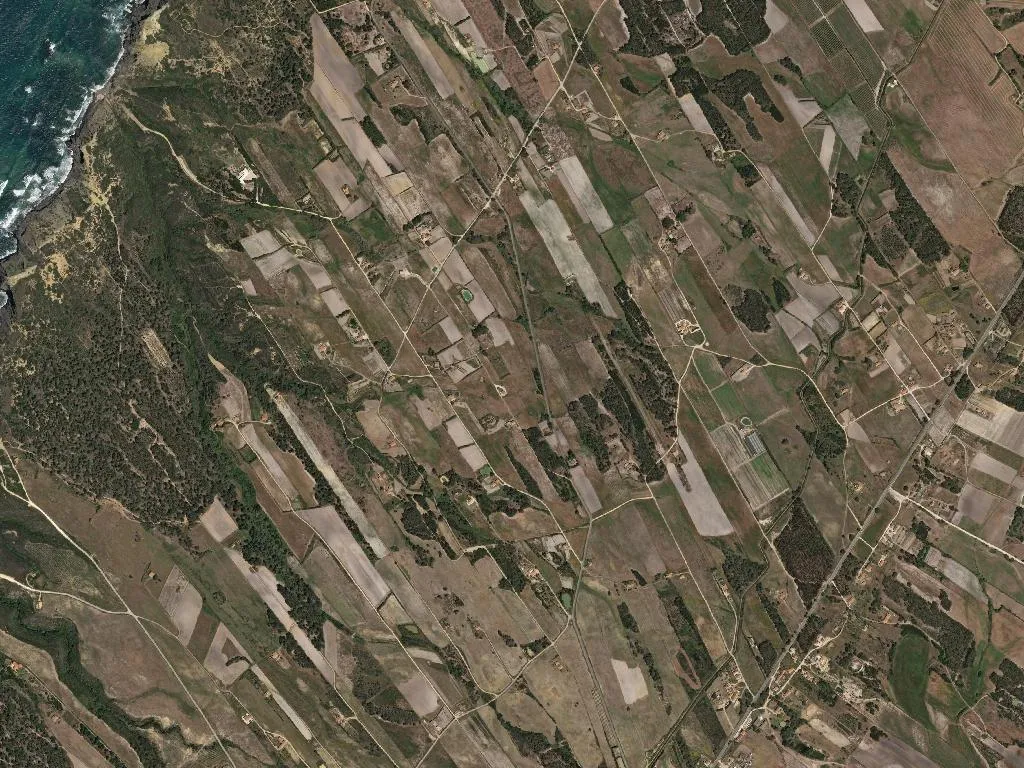
The scent of wet clay rises as dawn burns off the last threads of mist above Rogil’s fields. At barely 73 m above sea level, the land rolls in slow, pine-scented waves—dark forest giving way to rust-red ridges of sweet-potato ridges, then to the low, salt-whipped scrub of the Southwest Alentejo and Vicentine Coast Natural Park. Monchique’s ridge cuts a jagged line across the southern sky; beyond it, the Atlantic is only a silver suggestion until the afternoon wind carries the taste of salt.
Sweet Roots
Aljezur’s IGP sweet potato is more than a label; it is the parish’s calendar. Ploughing starts in March, the new moon after Carnival. By late October the fields are a grid of overturned earth, the tubers’ skins still warm from sun. In the cafés, wedges are roasted until their edges caramelise to bitter-black, then served with a curl of soft goat’s cheese. Convent pastry shops turn the same potato into a dense, mahogany jam that dissolves on the tongue like chestnut honey. Walk into any kitchen at dusk and you’ll catch the dusty-sweet steam that rises when the potatoes hit boiling water—an aroma older than the 1 165 people now on the parish roll.
Fire, Honey & Coast
Medronho, the wild-strawberry tree firewater, is still distilled in garden sheds. Copper coils snake across workbenches; clear spirit drips into green demijohns at 46 % ABV. One sip tastes first of apricot, then of pine sap. It is chased with dark-amber honey from Monchique’s DOP hives—heather, cistus, wild lavender—used here to glaze almond tarts sharp enough to balance aged queijo de cabra. Wines come from Lagos and Portimão: brisk Arinto for sea bass, supple Castelão for boar stewed with juniper. Both ocean and hills are fifteen minutes away; the menu oscillates accordingly.
Tracks of Silence
Population density is 33 souls per km², and the footpaths feel it. Old mule trails tunnel through maritime pine, rosemary and rockrose releasing their camphor breath under the heat. Short-lived streams carve fern-lined gullies where the only sound is the short, bright call of a Dartford warbler. Because the entire parish lies inside the Natural Park, endemic orchids—Ophrys speculum with its iridescent blue mirror—flower untouched beside the trail to Alfambras. Return a week later and the palette has shifted; that is the pace here.
A Circuit of Earth & Salt
Saturday’s market sets the rhythm: trestles of soil-dusted potatoes, crystallised honey sold in reused jam jars, plastic cups of medronho offered with a nod rather than a label. Ask politely and you’ll be waved into a backyard still where the last of the season’s fruit is fermenting. Rogil’s 109 beds—ranging from cork-clad cabins to a 19th-century schoolhouse—make it simple to stay. Mornings, walk the irrigation lanes accompanied only by a red kite’s shadow. Lunch at Rosa’s tasca: sweet-potato skordalia under grilled cuttlefish, the plate streaked black with ink. Then drive west until the road ends at Amoreira beach, where the Ribeira de Aljezur meets the Atlantic through a lagoon alive with stilts and avocets. Climb the wooden steps that scale the 40 m cliff; the wind carries both wood-smoke from village chimneys and the cold snap of open ocean. That contrast—sugar in the saucepan, salt on the skin—is what lingers when you turn back onto the N120.