Full article about Altura
Rise 38 m above Castro Marim’s flamingo lagoons to citrus-scented streets and Atlantic views
Hide article Read full article
Between cork groves and salt marsh
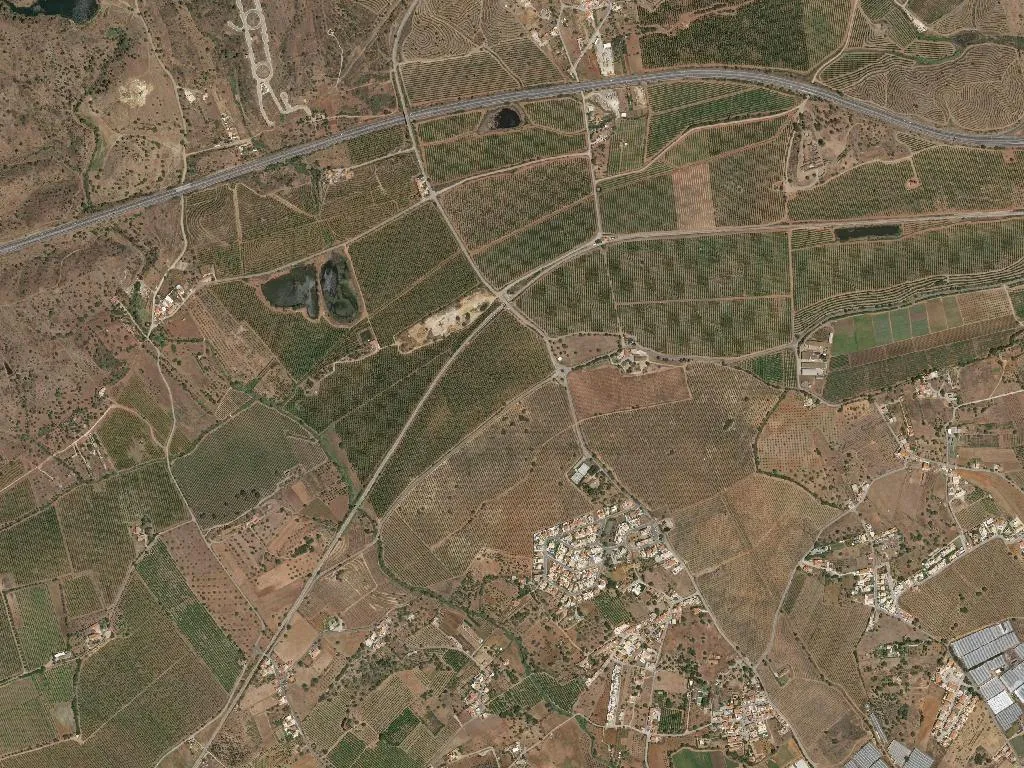
Dawn ricochets off freshly limewashed walls and spills across cobbles still cool from the night. Altura sits 38 m above the coastal plain, suspended between the Barrocal limestone hills and the Atlantic, a vantage that earned it its name (“height”) and delivers two geographies for the price of one: to the north, cork oak and olive swell in gentle waves; to the south, on any of the 300-odd cloudless days the Algarve clocks each year, the sea shows up as a thin blade of cobalt. It is a parish in transition, where the interior inhales through marine lungs and the soil itself tastes faintly of salt.
First come the streets, where the loudest sound is conversation being dragged like chairs across doorways. Then the citrus orchards – oranges and lemons with EU protection, yes, but more importantly the scent that drags any Portuguese exile straight back to half-term at their grandmother’s. Beyond, dirt tracks drop through the montado until the terrain frays into the Castro Marim and Vila Real de Santo António Salt Marsh Natural Reserve. Bring binoculars: flamingos never sign autographs.
The 16th-century mother church squats in the centre, its once-blinding façade now the colour of smoker’s teeth. Inside, light slips through the chancel and settles on 17th-century azulejos like a jacket left on a familiar chair. Three kilometres east, in the hamlet of Azinhal, the single-nave chapel of São Sebastião is so small that even silence has to duck. Take a coin: the latch is loose and the Atlantic wind enjoys a tantrum.
Memory stacked in stone and straw
Stone wind-towers litter the fields – circular, roofless, now merely conversation pieces for explaining to children what an 1850s Instagram looked like: it spun, made noise and ground other people’s lives. The surviving haystacks and threshing circles turn up like eccentric uncles at Christmas: skew-whiff, story-heavy, roofs as sparse as my grandfather’s hair yet storm-proof.
Human layers go deep: Roman fish-salting vats, Islamic irrigation channels, and five minutes away the Templar castle of Castro Marim, close enough that, on clear days, you can read the horizon like a gas bill.
Salt, fish and citrus
The menu is stubbornly local. Cataplana when the sea is feeling philanthropic; caldeirada when the fisherman remembers your name; grilled sardines that ask only for decent sourdough. Octopus is braised until it surrenders like a campaign promise. For pudding, dom rodrigos – sugar, egg yolk and more sugar – answer the question nobody asked. Wines carry the Atlantic in their spine: the new-wave whites from nearby Quinta do Vale da Pipa, bottled under the Algarve DOP, race with saline acidity.
Five kilometres of nothing, then sand
Praia da Altura is five kilometres south – long enough for engine heat to battle ocean chill. The beach is a broad runway of straw-coloured sand, surf polite enough to keep your sunglasses on, and waders clocking more air miles than the local postman. Bring water: the beach bar opens when the owner wakes up “with willingness”, or when his mother-in-law pays a visit.
Altura never shouts. It keeps its best table for the friend who hasn’t arrived yet. But when the wind delivers salt mixed with orange-blossom and the westering sun chalks long shadows onto whitewash, you realise some places never needed to raise their voice to be remembered – they simply left the door ajar.