Full article about União das freguesias de Lagoa e Carvoeiro
União das freguesias de Lagoa e Carvoeiro basks in 300 days of crystalline light, baroque cloisters, citrus blossom and cliff-carved Atlantic arches.
Hide article Read full article
Lime, salt and unfiltered light
The first sound is not the sea – it is swallows. They shear the air above Carvoeiro’s rooftops, skimming the ochre terraces that drop in amphitheatre formation towards the sand. Only afterwards comes the surf, a low, constant percussion that has been working the limestone for centuries, carving arches, hollowing grottoes, drafting a coastline that looks impatiently hand-sculpted. The white-washed houses bounce back a light so reliable – more than three hundred days of sun a year – that it feels almost tactile. There is no haze. Just raw, complete, unfiltered clarity.
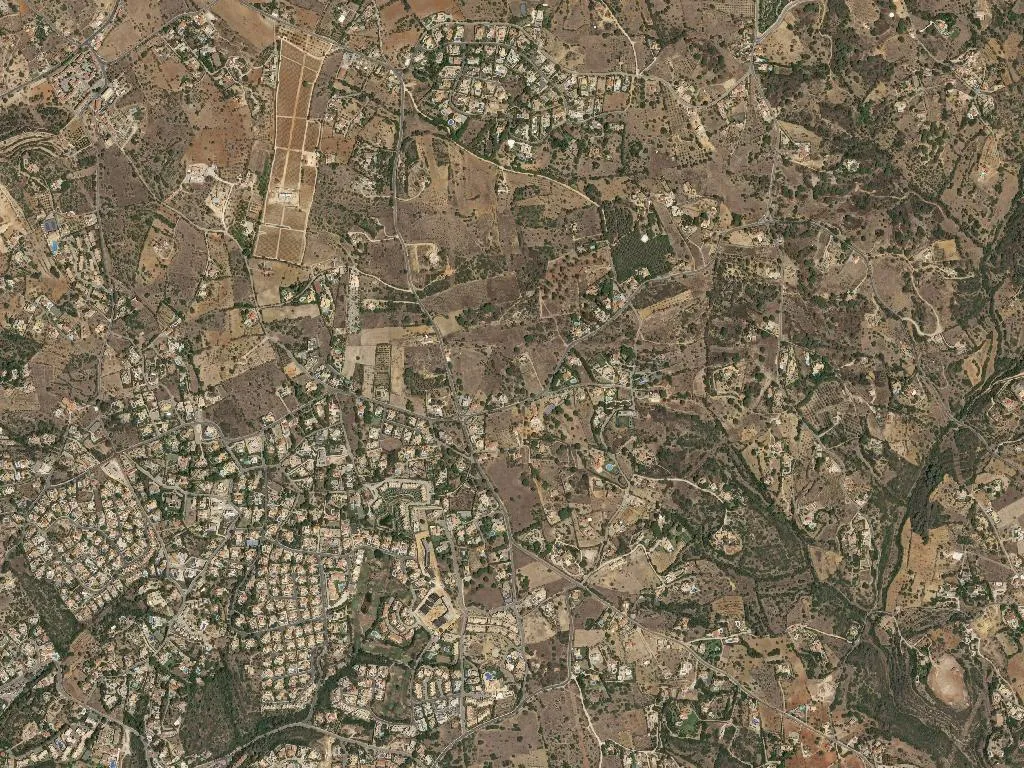
The civil parish of Lagoa and Carvoeiro was formalised in 2013, yet the two settlements have been in conversation for far longer. Dirt tracks once linked the administrative town of Lagoa, set slightly inland, with the fishing hamlet of Carvoeiro on the rim of the Atlantic. Medieval tax rolls record the latter as “Caboiere”, an Arabic-rooted toponym that survived the Reconquista. Together they cover 38.9 km² and 10,141 residents (2021 census), the population thickening near the cliff edge and thinning into citrus-scented valleys where the protected IGP “Citrinos do Algarve” orchards exhale wax-white blossom from March to June.
Carved stone, prayed-in stone
Lagoa’s civic heartbeat is the Convent of São José, raised in 1738. The parish council now sits here, but the cloisters still host chamber concerts – arrive at dusk and a single guitar note will show you why the acoustics are legendary. Two minutes away, the Misericórdia church shelters a baroque retable and eighteenth-century azulejos; their cobalt turns almost liquid when the lateral windows let in the afternoon light. Generation-polished gilding on the altar keeps a soft glow no restorer would dare replicate. Finish the triangle at the 1521 parish church, enlarged after the 1755 earthquake, and you have a trinity of stone and faith that keeps the town upright.
In Carvoeiro, the 1875 Church of Nossa Senhora da Encarnação stands sentinel above the beach, built over the footprint of a seventeenth-century hermitage. Nothing remains of the earlier Capela do Pé da Cruz, demolished in 1896, except its images – transferred to the town hall in a characteristically pragmatic Algarvian rescue: keep the essence, remix the rest.
Where the cliff breathes
The coast between Carvoeiro and Benagil is geology slowed to a crawl. At sunrise, the honey-coloured limestone warms to blush-pink; by late afternoon it is almost coral. Sea-level access is limited to kayaks or SUPs, which is why arriving at Benagil’s cathedral-like grotto before the first tour boat feels like trespassing. A circular blow-hole in the roof funnels a shaft of light onto damp sand; inside, the only soundtrack is your own paddle drip and the slap of swell against rock.
Carvoeiro’s 570-metre timber boardwalk, opened in 2011, delivers you to Algar Seco, where erosion has sketched out limestone chimneys, Atlantic windows and sun-warmed tidal pools deep enough for a snorkel. Continue east and the Seven Hanging Valleys trail strings together 5.7 km of headland: every bend gifts a new cove, a new Pantone variant of turquoise, a new impossibility of rock profile.
Cataplana, morgado and wine that tastes of fig
The parish speaks two culinary dialects: ocean and orchard. A copper cataplana lifted at the table still hisses with tomato, coriander and clam steam; it competes with a fishermen’s caldeirada and with conquilhas – razor clams served au naturel, lemon juice only. Summer sardines, fat as torpedoes, leave charcoal-and-salt scent on clothes that lingers for hours, and nobody wants it gone.
Lagoa’s cooperative winery, founded in 1944, bottles under the Algarve VR designation: light, Atlantic-tempered reds and whites that concede centre stage to seafood. A tasting is a quick education in Negra Mole and Crato Branco, varieties that translate southern heat into something brisk enough for a lunch table. Finish with a slice of morgado – an almond-and-egg slab – or sweets of peanut and sun-dried fig, and you have a meal that needs no garnish.
Two storks and a lagoon
The parish coat of arms, approved in 1999, winks at its own name: two storks standing in a lagoon – a visual pun that suggests the designers knew geography can be both literal and playful. Lagoa and Carvoeiro operate at different frequencies. One smells of earth and orange leaf, the other of iodine and grilled sardine. Spend the day toggling between them and you feel the shift like a radio retune. When the light finally relents and the swallows retreat to the rooflines, what stays with you is not silence but the sub-aqua throb inside Benagil cave – an echo that keeps pulsing long after you have brushed the sand from your shoes.