Full article about Barão de São João, where rust earth scents the silence
Citrus groves, flat-cap cafés and ochre lanes 15 minutes above Lagos
Hide article Read full article
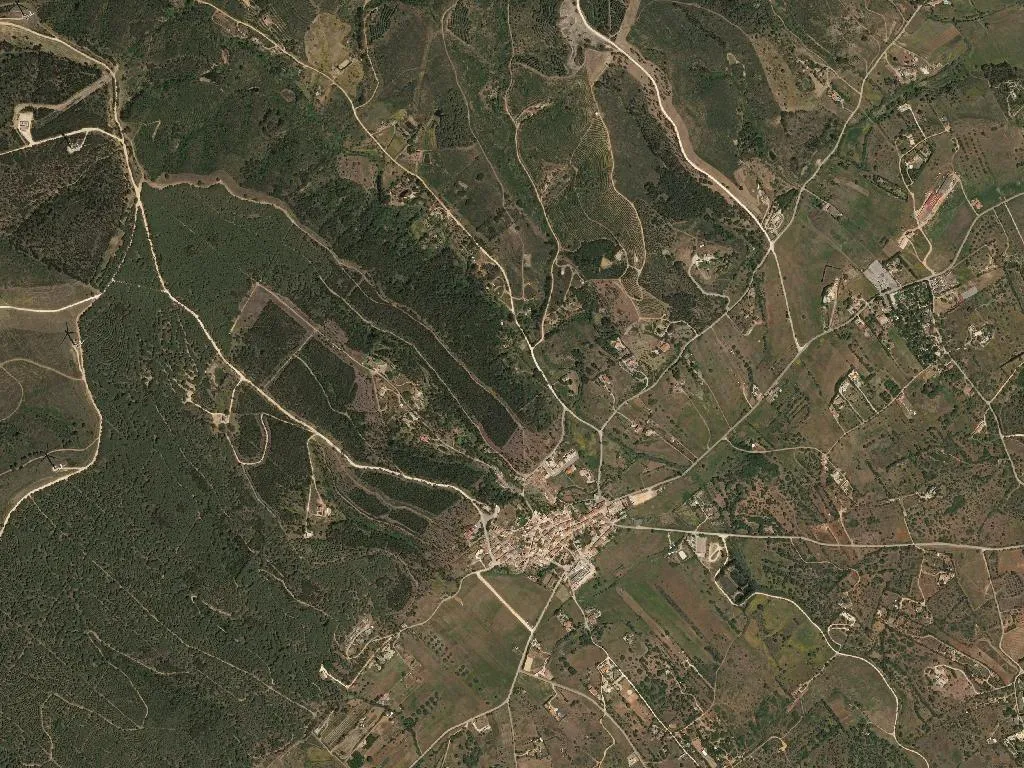
The soil turns a deeper rust-red here, almost the colour of dried blood, slashed with green where citrus terraces step quietly downhill. Barão de São João, 15 minutes inland from Lagos, occupies 5,185 hectares of Algarve barrocal yet never quite surrendered to the coast. Population density is 19 souls per square kilometre; the silence has weight, broken only by a distant dog or the rasp of a van stirring ochre dust on the lane to the EN125.
Between coast and serra
The parish sits in geographical limbo: too far from the Atlantic to hear the surf, too low in the foothills to claim mountain identity. At 96 m above sea level the sea breeze arrives warm and salted, while the light keeps the metallic clarity painters find around Sagres. People—1,222 at the last count—live in couples, isolated farmsteads or pockets of six houses; the only civic centre is the whitewashed health post and the post office that sells phone cards and gossip. Census sheets tell the story: 363 residents over 65, 137 under 25. On weekday mornings the Café Rosa fills with men in flat caps arguing over late rain and diesel prices, fingers curled around 60-cent espressos gone cold. At eight the school bus inhales the village’s children beside the 18th-century church and departs, leaving tyre tracks across the calçada.
Forty-four dwellings are registered as holiday lets—mostly converted haylofts or 1970s cottages bought, in the early 2000s, by British graphic designers and Heidelberg architects who wanted silence, space and a €30,000 ruin with intact stone bread ovens.
Citrus that keeps its own time
Barão qualifies for the Algarve Citrus PGI, though scale is stubbornly human. Orange and lemon trees punctuate back gardens, some trunks so old they twist like ship’s rope and provide climbing frames for grandchildren. Harvest is still wrist-work: wicker baskets kept in lofts since Salazar’s time, ladders patched with washing-line. In March the blossom drifts so thick the air tastes of warmed marmalade; even a northerly wind can’t blow the sweetness away.
There are no destination restaurants. Food lives behind front doors: Sunday lamb cataplana sealed for three hours over a eucalyptus fire, kid stew thickened with home-made bread. Proximity to Lagos docks means sea bream can appear, but pork and lamb dominate. The single quinta that opens at weekends lists açorda de marisco beside tofu burgers—an accommodation to the mixed congregation that has quietly arrived.
A landscape that refuses spectacle
Expect no cliffs, no hashtagged coves. The appeal is low-intensity farmland stitched by dirt tracks where you can walk for an hour and meet only a startled boar. Centenarian almond trees throw February shadows; carob trunks hollow into secret dens; over-ripe figs burst between finger and thumb. Dry-stone walls subside under smilax and cistus, yet still mark the line where, as every grand-father claims, “our land ended and their trouble began”.
Instagram offers little purchase: façades the colour of buttermilk flake in the sun, chimneys trimmed with the lace pattern every local drew in primary school, soil that looks idle because nothing, not even time, seems in a rush. Then sunset ignites the terracotta roofs with a brief, almost violent flare. Dust motes hang like gold leaf, the air acquires viscosity, and the day’s last errands begin—women in shawls fetching bread, men leaving fields while the light still smells of warmed thyme and disturbed topsoil.