Full article about Quarteira: Dawn diesel, saffron nets, pine-shade prom
Quarteira, Loulé: fish-auction at dawn, carob-grilled sardines, pine-scented promenades—experience the Algarve’s working coast.
Hide article Read full article
The first thing you hear is not the Atlantic.
It is the diesel growl of a trawler nosing into harbour at dawn, a low throb that sets the gulls wheeling and complaining. Light lies sideways across the beach, turning each burst of spray the colour of grapefruit. The air tastes of brine and sun-warmed wrack; salt crystals already freckle the windscreen of the morning.
Salt, sand and a 700-year charter
Quarteira sits only four metres above the neap line, a thin ribbon of 24,420 souls stretched between the ocean and the citrus groves of Loulé. The Romans knew the coast here as Carteia; in 1297 Dom Dinis granted the settlement its first charter, and the parchment still hangs in Loulé’s town hall, ink the colour of dried cuttlefish. The parish broke away in 1916, became a town in 1984 and a city in 1999—yet locals still speak of “going down to the sea” rather than “going downtown”.
The 08:45 fish auction
Be inside the fish market before the bells of Nossa Senhora do Carmo strike nine. The building sits flush against the sand; lorries back straight off the boats. Watch for the sapphire flash of sardine backs, the nervous semaphore of pink shrimp, octopus skin mottled like damson peel. Vendors rattle prices in Algarvian dialect without glancing up, parceling the catch in rough brown paper that soaks through within minutes. By 10 a.m. the same fish is being grilled over carob embers outside cafés, later simmered in cataplana or folded into a saffron-laced caldeirada. Finish with Dom Rodrigo—threads of egg-yolk and cinnamon that taste like 19th-century Lagos in sweet form.
Pine-shade promenades
The Avenida Infante de Sagres is a dual carriageway reclaimed for slower pleasures: rollerbladers, cane-wielding pensioners, toddlers on balance bikes. Golden sand lies to the south; to the north, apartment blocks painted the optimistic pastels of the 1980s. Step inland a stride and you are under stone pines, their needles releasing resin warmed by the sun. Beyond the rooftops the lagoon-maze of Ria Formosa shimmers like beaten pewter.
Vilamoura’s yachts and Roman mosaics
Westwards the terrain surrenders to Vilamoura’s marina—Europe’s largest privately-owned leisure port, where super-yacht jostles against gin-palace and the nearest supermarket sells champagne by the magnum. On a low hill behind the berths, the Cerro da Vila museum lifts the lid on Roman fish-salting vats and 3rd-century mosaics depicting dolphins that still cruise the inlet.
A holy spring and a Wednesday field
Leave the marina glare and you meet the Fonte Santa, a roadside spring whose sulphurous water once drew invalids in the 1700s. Today someone always leaves an empty Volvic bottle balanced on the spout; belief survives in plastic. On Wednesdays the weekly market colonises a dusty plot behind the filling station: pyramids of coriander, Chinese-made drills, nylon trackies in indescribable colours. It is the Algarve that never makes the postcards, sustaining a population where one in five residents is over 65.
Greens that are too green
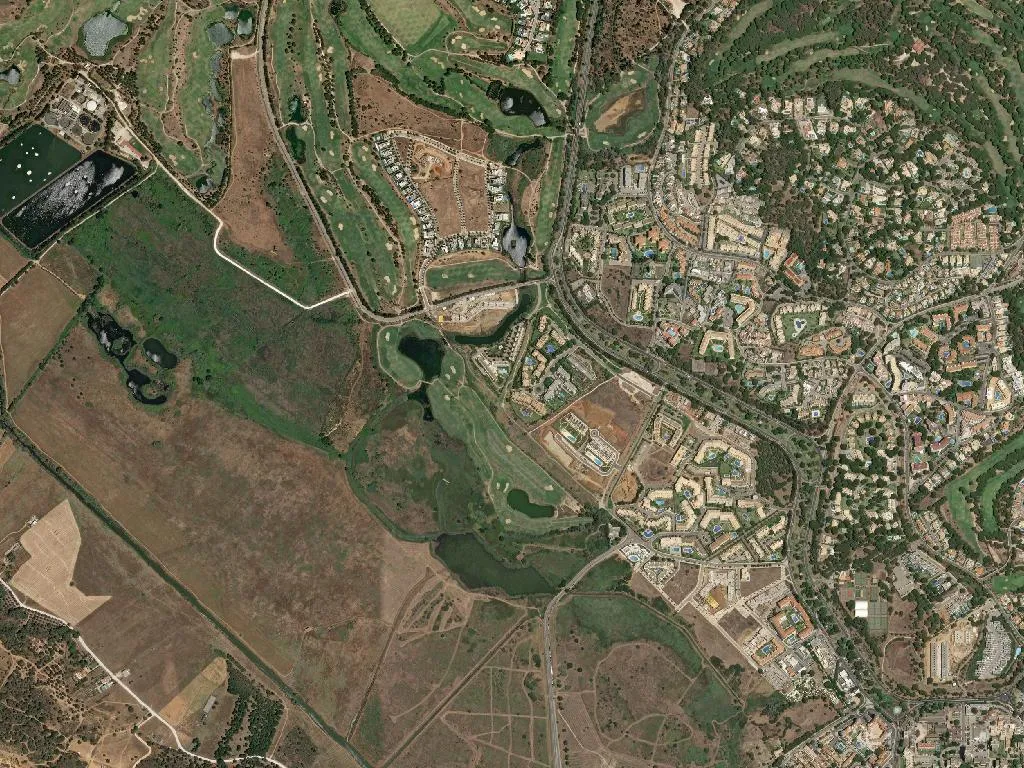
Beyond the market road the fairways of Vilamoura’s five golf courses glow a chlorophyll green unknown to native flora. Here the language in the clubhouse is mostly Scandinavian, the tee-times booked via app, the gin-and-tonics measured by the centilitre. Yet even on the 18th the Atlantic barges in—salt on the breeze, gulls heckling from the rough.
Night settles; the promenade fills with the slow scrape of deckchairs being unfolded. The last sound, finally, is the surf—regular, implacable, polishing the same sand that will receive tomorrow’s crates of silver fish.