Full article about São Marcos da Serra: Dawn Loaves & Hilltop Honey
Wood-smoke curls over a one-road village where centenarian olives, amber honey and 11 schoolchildren
Hide article Read full article
The sky is still a dull pewter when wood-smoke from Casa da Padaria drifts across the churchyard of São Marcos. Inside, 78-year-old António Mestre sparks the same brick oven his father bought in 1953. By 7.15 a.m. the first loaves are swelling; by 8 a.m. they will be carried down Dr. João Moreira Road—the only tarmac artery in the parish—to Bar do Lé, where coffee is still 65 cents, a price frozen since 2019.
The ridge that names the place
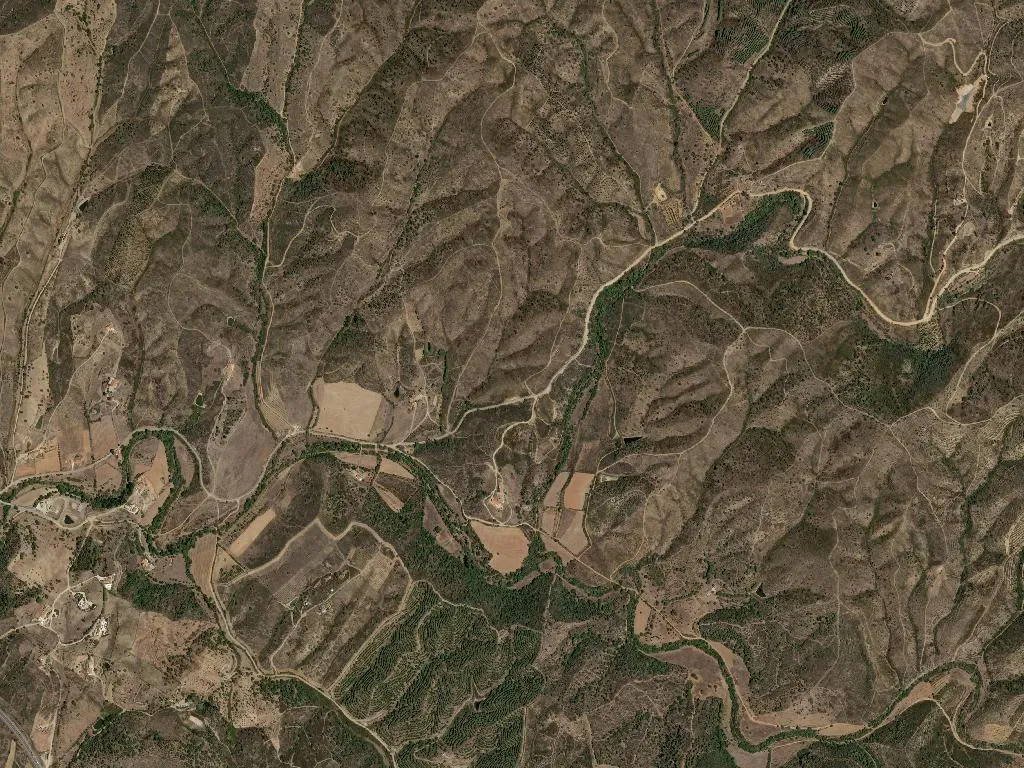
Toponymists trace “São Marcos” to the Latin Sanctus Marcus, the evangelist who lent his name to this tract of cork oak and sandstone first charted in a 1573 royal charter issued by Dom Sebastião. There are no castles or convents here, only the unpaved switchback that climbs from the M522 to 384-metre Monte Figo, a natural balcony from which the Serra de Monchique floats on the horizon 35 km away. Across 16,600 hectares, 136 souls inhabit scattered smallholdings such as Herdade do Vale de Lousas, where Rosa Caeiro tends 80 centenarian olive trees that yield 350 litres of peppery oil each winter.
Honey that tastes of altitude
Abílio Ribeiro keeps 120 hives between 300 and 400 m on Quinta do Rogel. His Monchique DOP honey—amber rated 85 mm on the Pfund colour scale, maximum moisture 17 %—is bottled under a certificate from Faro’s agronomic lab. April brings rosemary, May rockrose, June heather; the resulting honey, sold for €12 a kilo at Silves’ Mercearia Silva, carries the faint resinous note of altitude itself.
Demography is measured in smaller figures: São Marcos primary school now has 11 pupils; in 1970 there were 120. The GP holds surgery on Mondays in the health centre next to the football pitch where, every 7 June, the parish feast packs 400 people into a makeshift marquee behind the church.
Life on the edge of the map
Six guesthouses—Casa da Eira, Monte do Álamo, Quinta do Concordato, Casa do Alto, Monte da Corte, Casa da Ponte—offer 36 beds between them. Jorge Valente charges €80 a night in August for Monte do Álamo’s studio, breakfast included: the bread arrives still warm from António’s oven.
At 6.30 p.m. the church bell tolls three times; the village knows it is half an hour before Joaquim Mestre’s funeral. The cortege will walk the short lane to the cemetery where 37 headstones carry only four surnames: Mestre, Caeiro, Ribeiro, Valente.
Dusk ignites the schist façade of the house where 82-year-old Manuela Caeiro gathers her wicker chairs. She has 12 grandchildren; only one still lives in São Marcos da Serra.