Full article about Tavira: where the river changes its name mid-bridge
Santa Maria & Santiago parishes echo with mosque-turned-church stones and salt-air history
Hide article Read full article
Tavira, where the river swaps its name mid-bridge
Dawn slips over the terracotta rooftops and scatters across the water like loose change. On the near bank the river answers to Séqua; on the far side it becomes the Gilão—same current, two identities, as though Tavira needed an invisible seam to understand its own reflection. Footsteps echo along the worn limestone embankment; whitewashed walls exhale the chill of night and the faint mineral breath of old plaster. The town wakes to the metallic rasp of shop shutters and the first espresso curling from a window bar.
Seventeen churches, one vanished mosque
Locals still quote the tally—thirty-seven churches, chapels and convents—because every other lane ends in a bell tower or a Manueline portal. The granite is the ledger. Look up and you read baroque volutes, 16th-century scallop-shells, the occasional stork balancing on a cornice. Santa Maria do Castelo, the parish church, squats on the footprint of a former mosque: the mihrab became the nave, the qibla wall dissolved into tracery. Islam drew the floor plan; Christianity raised the roof. The layers are readable only if you run a fingertip across the mortar.
The name itself is Arabic—Tabira, “the hidden”—until 1242 when the Knights of Santiago rode in and the town was re-baptised in stone. Romans, Greeks and the indigenous Túrduli left earlier signatures: the ruins of Balsa lie a few kilometres south-west, shards of a 1st-century municipium where salted fish and garum travelled north to feed legions. When Manuel I granted Tavira its city charter in 1520 he was simply rubber-stamping what the river had already made inevitable: a deep-water port at the hinge of Atlantic and Mediterranean trade, launchpad for caravels bound for Morocco and, later, the Indies.
The bridge that bisects and binds
They still call it the Roman Bridge, though the seven stone arches are 17th-century at best. It is the spirit level of Tavira, aligning the two medieval parishes forcibly married in the 2013 administrative shake-up: Santiago (founded 1270, younger, river-facing) and Santa Maria (1242, hill-bound, defensive). Together they shelter 15,432 residents who share a post-code, a covered market and an evening ritual—slow promenades along the quayside as the water turns the colour of rusted copper.
Cross at dusk and you watch the temperature of the stone drop by touch: handrail still warm from the day’s sun, air suddenly cool enough to carry the iodine note of the lagoon seven kilometres downstream. A grey heron lifts from the reeds with the soft percussion of wet canvas.
Salt, flamingos and shifting sand
Beyond the last bridge arch the Gilão unlaces itself into the Ria Formosa. What begins as a river becomes a lattice of saltpans, mudflats and barrier islands that shift with every winter storm. Take the small ferry from Quatro Águas and you reach Ilha de Tavira: eleven uninterrupted kilometres of dune, beachgrass and Atlantic surf. Even in August you can walk ten minutes west and have only a Portuguese family and a portable grill for company.
Back on the mainland the salt pans still operate—shallow rectangles where seawater evaporates under the same sun that once financed Tavira’s merchants. The crystals form overnight, glinting like frost in July. Flamingos feed here from October to April, knee-deep in brine, their pink refracted in the mirror of water and sky. Bring binoculars and patience: spoonbills, avocets and black-winged stilts stage their own quiet drama.
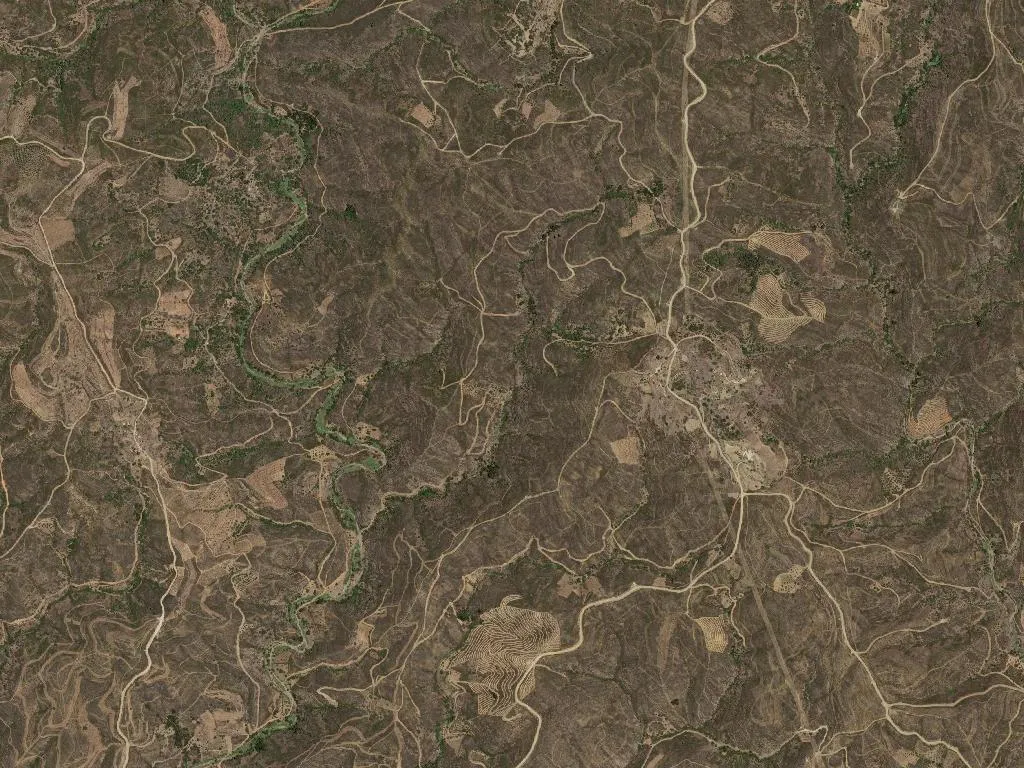
Inland the parish rises gently to 198 m, a quilt of irrigated orange groves and dry orchards of carob, fig and almond. Come late February the slopes ignite with almond blossom—snow that never chills, scented faintly of honey and bitter kernel.
Reading the town with your feet
Maps are redundant. Start at the castle, built over an Almohad enclosure, now a garden of jacarandas and agaves. From the ramparts the town’s grammar is visible: pyramid roofs of Moorish tile, the twin bell towers of Santa Maria, the grid of streets that once followed the river’s curve. Descend through the cobbled alleys where doors are painted the indigo of deep water and the green of unripe olives. Pause at the Mercado da Ribeira (weekday mornings only) for tuna that left the Atlantic yesterday, tomatoes still holding sunrise, and a conversation that begins with the price of octopus and ends with advice on which ferry captain is least likely to cancel if the wind turns.
Tavira sits inside the Algarve’s newest wine DOP—an improbable latitude for serious vines, yet the Atlantic breeze salts the air and concentrates flavour. Taste a siria-based white grown within sight of the fishing nets: it carries the same saline finish you’ll find on your skin after an hour beside the saltpans.
Night closes in and the bridge lights switch on, doubling the town in the tide. The air smells of wet granite and evaporated brine—clean, faintly metallic, the taste of a place that has been trading, fishing and reinventing itself since before the first stone was laid.