Full article about Cortiçada: granite terraces, silent vines and Serra cheese
Guarda village where granite barns, 1950s Dão vineyards and raw-milk queijarias breathe
Hide article Read full article
Granite, vines and silence
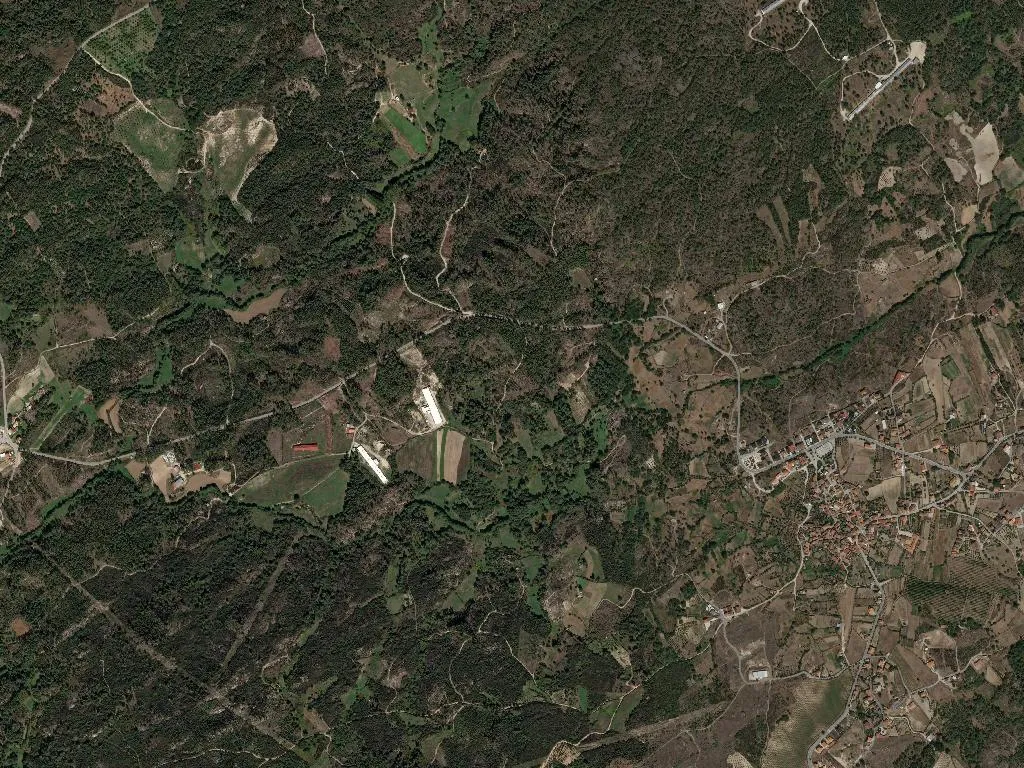
Granite shoulders through the thin soil of Cortiçada as if impatient to breathe. At 618 m the land shelves into narrow terraces where ancient vines, chestnuts and holm oaks share the same schist-veined stone. A updraft from the Dão valley carries the smell of damp schist even in July; it is the aroma that tells you the river is near, though you cannot see it.
The parish spreads across 1,000 hectares but holds only 314 inhabitants – eight of them under ten, 143 over seventy. Houses were stitched into the slope by people who paced every incline, tilting barn doors away from the north wind, roofing stables with the same slabs that pave the lanes. Three low, whitewashed dwellings now take paying guests; in this part of Guarda district that passes for a glut of choice.
Milk and stone
High pasture and granite give Cortiçada a natural passport to Serra da Estrela DOP cheese. In the surviving queijarias the recipe is pre-industrial: raw milk from Bordaleira ewes, coagulation with cardoon stamens, slow maturation on raw-pine shelves. The paste is spoonable and bright when young, sharpening into a sliceable, lemon-tangy wheel after four months. The scent clings to wood smoke inside the stone huts where the milk is worked.
Below the village the Dão wine region begins. Vineyards planted at this altitude – some field-blends dating to the 1950s – yield small berries of Touriga Nacional, Tinta Roriz and Alfrocheiro. Granite and cool nights keep acidity fierce; the resulting reds are built for a decade in cellar, their tannins as tight as the seams of the stone walls that parcel the hills.
Paths that climb
Fewer than 25 souls per square kilometre translates as an audible hush. Unmarked footpaths braid the plateau, ducking through loose-stone walls, fording winter streams that vanish by Easter, climbing to ridges where the snow-dusted Estrela massif floats on the horizon. OS maps exist; way-markers don’t. The logistics score – 45 out of 100 – is a polite warning: bring water, download the GPX, tell someone where you’re going.
Daily life is tuned to the demographic metronome: the café opens when the owner finishes milking, the parish church unlocks only for Saturday vespers, traffic means one tractor and a Citroën van. With visitor density hovering at 15, every arrival feels like an unscripted entrance into someone else’s rhythm. Evening sun ignites the granite façades; a single bell tolls for no congregation – only to remind the valley that another day has folded itself into the stone.