Full article about Wind-watched Castelo Mendo & border hamlets
Stone sentinels, storked mills and 208 echoing souls in Almeida
Hide article Read full article
Castelo Mendo: where the wind keeps the watch
The wind gets here before you do. It slips across the Spanish ridge at 800 m, carries the smell of holm oak and rain, and rattles the iron bell in the keep long before any human footfall echoes through the gate tunnel. Castelo Mendo was built for exactly this: to register arrivals. Today the border is a line on a map, but the sentry wind still clocks every visitor.
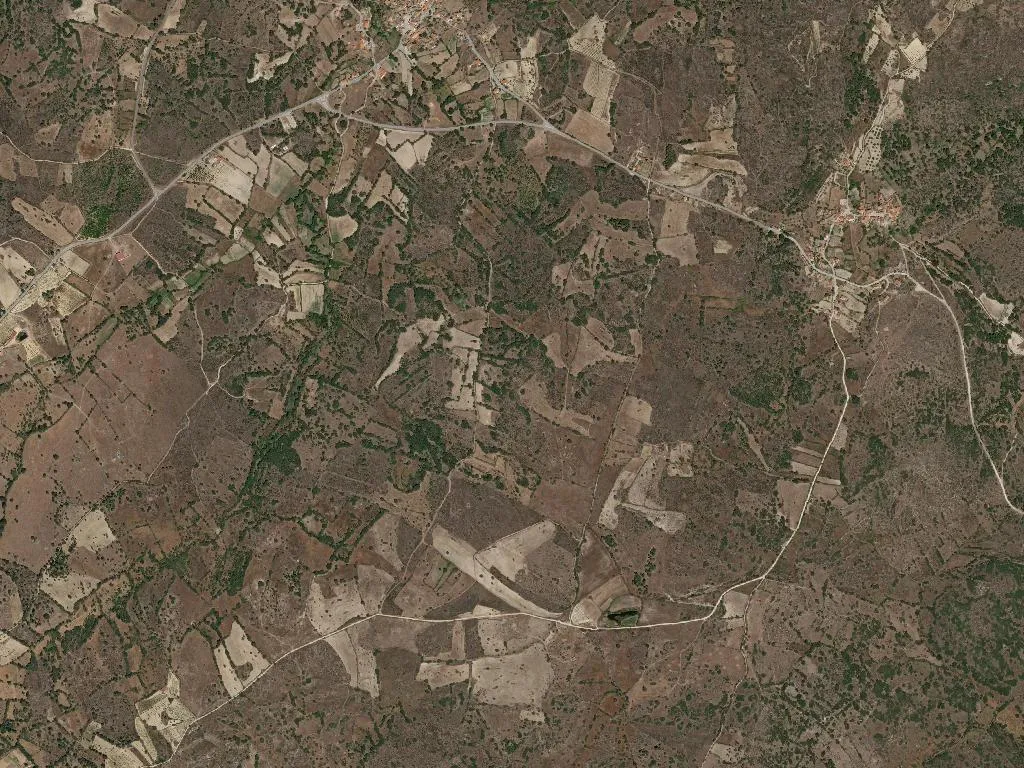
The parish roll call—Castelo Mendo, Ade, Monteperobolso and Mesquitela—was merged in 2013 when four separate villages could no longer fill a council chamber. Two hundred and eight residents remain; 123 of them have already turned 65. Three are under ten. Everyone else is either waiting for a pension or for clarity on why they came back.
Two stone belts and a pig-shaped passport
Inside the outer wall the medieval street-grid still functions: Rua Direita, Largo de São Vicente, a pocket-sized praça. The inner enceinte, ordered by Dinis in 1281, squeezes the castle keep like a second skin. From the parapet you look south-east to the Sierra de Gata and west along the old drove-road that once funnelled merino sheep into the Beiras. Beside the Porta da Vila two granite boars—Iron Age, snouts hacked off to calm passing horses—stand guard like porcine passport officers.
National-monument status arrived in 1922; it hasn’t replaced a single missing roof tile. Granite ashlar is exfoliating in slow motion, flaking into biscuit-thick slabs the colour of stale sea-salt.
A church that fits, mills that don’t turn
Ade’s parish church measures exactly the community it serves: twenty pews, no transept, zero baroque excess. Side-altar candles are lit for local birthdays, not for tourists. Along the lanes, wayside shrines serve as bus-stop relics; the bus itself last ran in 1992.
Between Mesquitela and Monteperobolso the water-mills are now stork platforms. Millstones lie face-down in nettles; paddles are wired to the race like broken birds. The levada that once fed them slipped its channel years ago. Lisbon weekenders still arrive with tents, then leave when they discover the phone signal drops behind every chestnut tree and Mesquitela’s café shuts at six sharp.
Kid goat, maize bread and wine that bites
Kitchens here cook the hunger they once endured. Cabrito da Beira, milk-fed and spit-roasted, arrives glistening; the local red is high-acid, scraped from schist soils that once grew rye for border garrisons. Chanfana—old goat marinated in red wine, garlic and bay—needs three days: one to slaughter, one to steep, one to eat. Maize broa replaces wheat loaves (cheaper, hardier). Olive oil comes from century-old trees spared the cork conglomerates’ chainsaw accountants.
Come between October and April and pack a cashmere layer; Atlantic weather systems stall on these ridges and snow can carpet the cobbles overnight.
The darkest sky on the Beira ridge
Switch the torch off. At 796 m the atmosphere is thin enough for starlight to work as street-lamp. The Milky Way unfurls like an over-exposed photograph; shooting stars leave tracer bullets. Binoculars help, but silence is the real show—no irrigation pumps, no motorway hum, only the soft clink of a cowbell across the ravine.
There are four places to sleep, all restored granite houses with metre-thick walls and no televisions. (If you need Netflix, Almeida’s fortress hotel is 20 minutes away.) Bring slippers: stone floors exhale cold until May.
Last sound before sleep
After 22:00 the village amplifier is a single dog gnawing a bone outside Zé Manel’s barn. The hinge on Celestino’s door squeals once, then settles. Set your alarm only if you like agricultural reveille: the first tractor fires up at 6.30 a.m. If the engine note fades uphill towards the cork plots you’ll remember that, statistically at least, somebody still lives here.