Full article about Nave de Haver: a hush you can taste at 814 m
Plateau silence, rye-scented wind and 180 granite souls in Guarda’s forgotten parish
Hide article Read full article
Nave de Haver, Almeida, Guarda
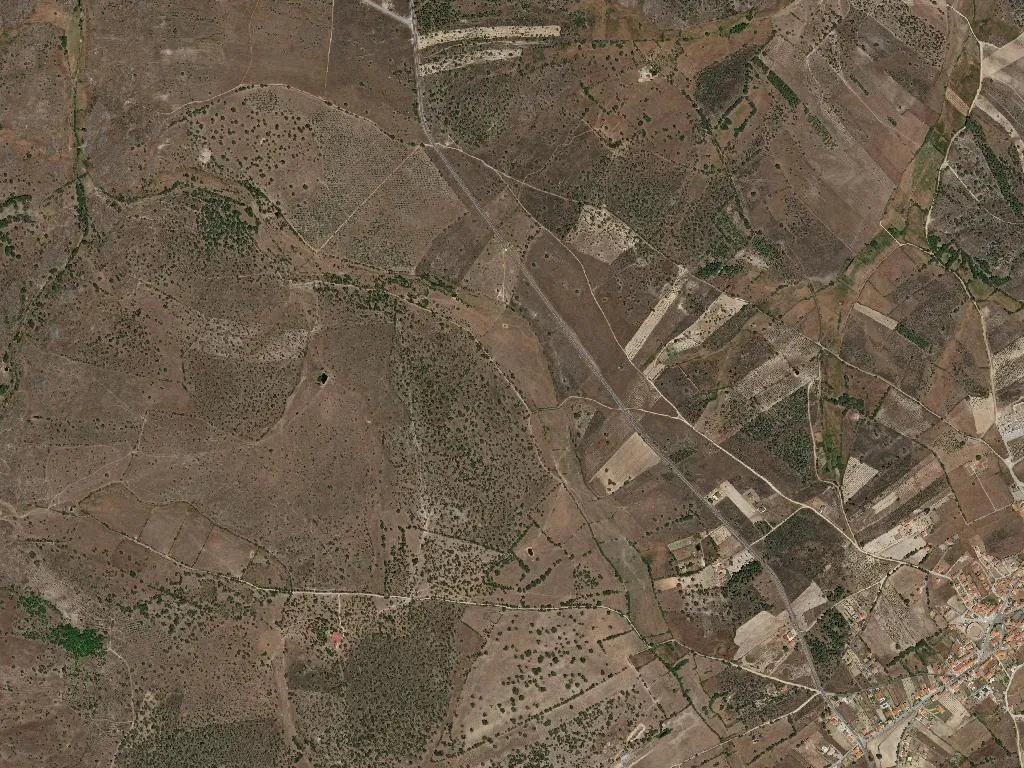
Silence in Nave de Haver has mass. It settles on the plateau at 814 metres, a physical pressure behind the eyes as the wind combs the rye-grass and carries the smell of schist dust and cold iron. Stand still and you can feel it: the hush is so complete the blood begins to drum in your ears, tuning itself to the slow drip of a village that refuses to hurry for anyone.
Officially 295 souls live here, though the parish council’s Facebook page is livelier than the streets. Half the names on the roll are summer returnees whose houses stay shuttered from October to May; the true year-round population is closer to 180. Seven neighbours per square kilometre, yet the echo of your boots on the single lane seems louder than the A25 at rush hour. Doors close like pistol shots; a hen scolding from a back garden carries to the cemetery and back.
The permanent cast is mostly widows who still keep vegetable plots and men who begin drinking aguardiente with their mid-morning coffee on José’s terrace. They converse in stage whispers, half-deaf, propped against granite jambs, while the pregnant tabby that belongs to Dona Albertina suns herself on the same step where the priest once slipped on ice and broke his wrist in ’89.
What you’ll eat
The menu is whatever the land has left. The kid served at O Júlio grazed the very meadows you can see from the window—until three weeks ago it was nibbling the verge beside the abandoned manor house whose last heir left for Toulouse in 1975. The meat is dark, almost venison, rubbed only with coarse salt and garlic planted by Zélia in the narrow strip behind her house. Olive oil is trucked in from the Lagar do Côa cooperative, the same stone-press where Zé Manel’s father once earned two contos a season turning the beam. It leaves a slow, green-gold ribbon on the rye bread that Zé’s wife has Bia bake in the wood oven every other morning.
By late afternoon the smell of fried garlic leaks from every window. Dona Amélia is already cooking for four—habit, though her husband died in 2019 and the children emigrated to Switzerland. The red on the table is from Piteira, poured in thimble-sized glasses kept on the top shelf of the dresser. It follows the roast kid, potatoes that still carry the soil of the plot behind the football field, and queijo da quinta do Seixas, crumbly enough to make your tongue stick to your palate and beg for the next sip.
How time behaves
Altitude does strange things to the clock. At 823 metres (everyone rounds down) the air is thin enough to make first-time visitors light-headed; the morning cold slips through zips and buttonholes even in June. Summer sun scorches the skin but never quite warms the bones—by four o’clock the plateau is already pulling in Atlantic air that smells of snow. In January the frost etches white ferns across the puddles and chimney smoke rises straight up, a pencil line no wind disturbs.
Time is measured by small, reliable events: the church bell that rings three times for three o’clock—unless the sacristan forgets, which happens often enough that no one trusts it for appointments. Between October and March darkness drops so suddenly you’re still chewing when you have to switch the lights on. Pilot, Zé Manel’s mongrel, only barks at strangers; everyone else has been catalogued years ago. No crowds, no hurry, no surprises—just the slow metronome of people who have memorised every stone in the lane and every family tree grafted onto the plateau.
When the sky finally bruises into night, windows glow one by one: Dona Amélia first, then Zé Manel, finally the restaurant as the last client pushes back his chair. Inside, oak logs flare, the television mutters SIC Notícias, and over everything settles the plateau’s particular silence—not absolute, but dense enough to let you hear the kitchen clock argue with your stomach until morning.