Full article about Vale da Mula: granite ribs & war-scented wind
Walk cobbled lanes where 160 souls guard a 17th-century smugglers’ valley beneath Beira’s oak-smoke
Hide article Read full article
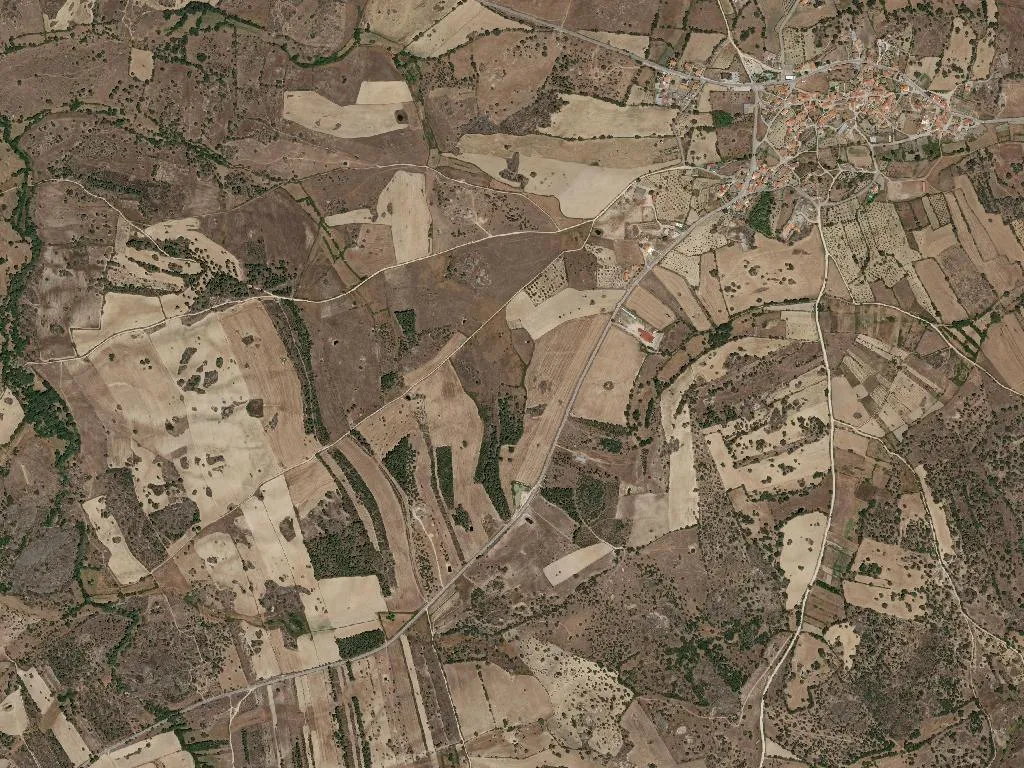
The cobbles clink beneath your boots. At 768 m the air of Beira Interior is still sharp even when the April sun feels almost warm, and silence settles on the skin like cold linen. Vale da Mula tiptoes across the hillside – 160 souls scattered over 1,645 ha where granite ribs push up between olive groves and rough pasture. Wind combs the valley, carrying the smell of parched earth, oak-kindling and the peppery little herbs that colonise loose-stone walls. It is the exact scent my grandfather brought home in his jacket after a day in the chestnut groves.
History pressed into the ground
The name remembers a pack-mule that once halted here, a living milestone on the smugglers’ route between Portugal and Spain. During the War of Restoration the quiet was shredded by artillery: in 1661 the Spanish Duke of Osuna stormed through, only to be routed by Portuguese militia; two years later local commander Afonso Furtado repeated the feat. A timber-and-earth fort was thrown up on the knoll where the bus stop now stands; older residents still point to a low rise beside the road and say, “It was there,” as though the soil itself kept watch.
Lime-wash and granite
The 19th-century parish church rises dead-centre, its white walls tightening the grey granite corners. The bell counts the hours, the echo rolling down the slope like a slow wave. Beside it, the tiny Chapel of Santo Cristo shelters the devotion of Vale da Mula’s 74 pensioners – almost half the population. In August the feast of Santo António hijacks the calendar: long tables buckle under grilled kid, peppery olive oil and vinho cheio; António from the café serves bifanas so juicy they should be licensed, then downs spatula, picks up trumpet and marches with the village band until the wine runs out.
Tastes that map the land
On the plate the territory becomes Azeite da Beira Alta DOP – green-gold oil pressed from olives that survive minus-eight winters – and Cabrito da Beira IGP, milk-fed goat reared on the surrounding scrub. This is not performance cooking; it is Tuesday lunch, flavours condensed by repetition. Bed down at D. Amélia’s sandstone house where the valley view comes with a soundtrack of distant dogs, or in the cooperative’s simpler rooms where the only tariff is silence. Dawn fog pools between the ridges; the café unlocks at eight – wait, and the espresso is worth it.
What lingers
By late afternoon the light thickens to honey and the shadows stretch like elastic. Fourteen children still career through the lanes – enough for an occasional cry to ricochet off the granite before the hush closes again. What remains is the low conversation of wind in the olives, the squeal of a wrought-iron gate, a plume of wood-smoke curling from a single chimney. Vale da Mula offers no epiphanies, only the rarer gift of pause: the exact weight of stone under your sole, the precise temperature of air that has slipped across the Spanish plain. Stay for sunset and pack a jumper – the cold always arrives earlier than you expect.