Full article about Açores & Velosa: granite, goshawks and silence
Explore Açores e Velosa in Celorico da Beira: medieval slabs, Iron-Age cliffs, olive groves and Serra da Estrela cheese.
Hide article Read full article
The square that remembers
Poplars and hazels throw a late-afternoon lattice across the stone of Açores’ tiny praça, dappling the pillory that has stood here since 1923 and the ochre-washed mansion built by a descendant of Cristóvão Falcão, private scribe to the Portuguese crown. Nothing moves except a sheep coughing on the upper slope and the slow drag of a gate where Dr João de Araújo Correia once kept his surgery. The quiet feels physical, like wool in the ears.
Beneath the 1729 church, a single grave-slab records in Visigothic letters the name Suintiliuba, a seventh-century princess laid to rest while Islam was still two continents away. Above her, the granite outcrops of a castro pre-date even that: Iron-Age battlements now softened by moss and broom. Local lore insists the parish owes its name to a goshawk—açor in archaic Portuguese—that nested on these cliffs, inspiring both the toponym and the devotion to Nossa Senhora do Açor, whose 1626 image is still paraded on Pentecost Monday. Cross the ridge to Velosa and the story changes: either the village honours a Galician count called Veloso, or the same hawk flew here “velozemente”—at speed—before alighting.
Valley and mountain in one breath
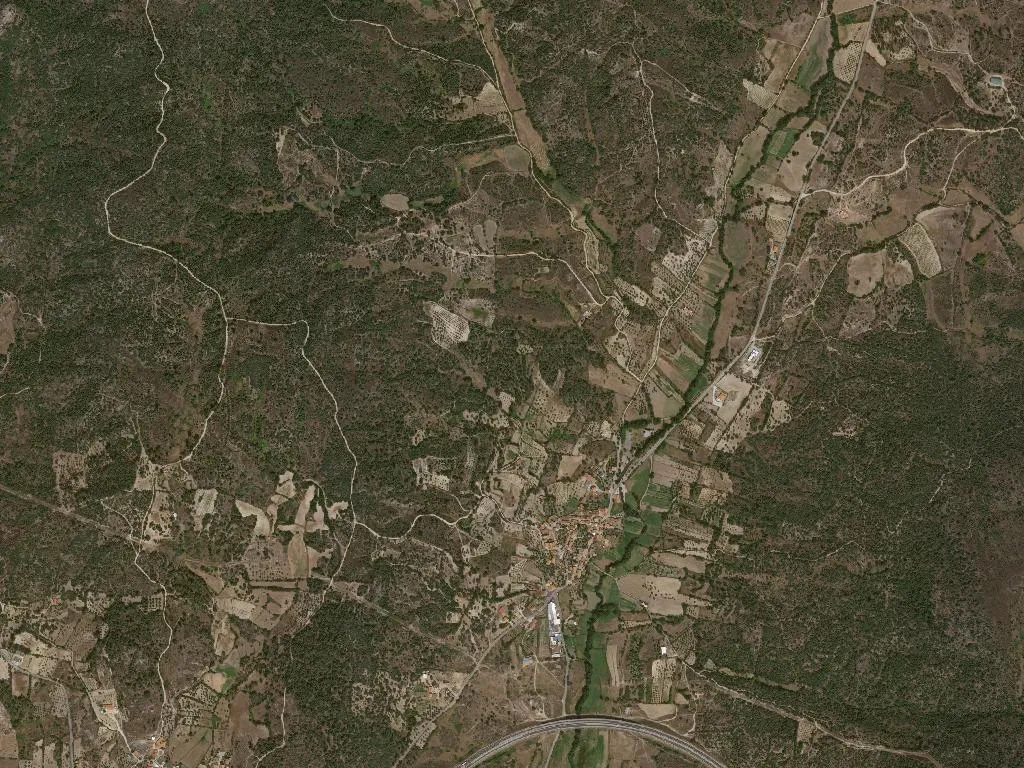
The land shelves sharply from 496 m to the beds of the Mondego and its tributary, the Ribeira da Velosa, carving a pleated landscape the Agricultural Census still records as 42 % permanent pasture. From the Calvário chapel—erected in 1834 after a cholera wave—you can watch weather being manufactured: Atlantic cloud climbing the western scarp of the Serra da Estrela, dissolving into mist that smells of wild rosemary. Below, an 850-year-old olive still yields at Herdade do Vale, its roots braided into the same Ordovician shale that underlies the Geopark and gives cyclists something to skid on.
Sheep’s-milk cheese needs 30 days and twelve litres of milk to become Serra da Estrela DOP; the curing rooms in Aldeia Rica breathe mountain air so damp the rinds bloom like moonlit maps. Requeijão, eaten warm with a spoon, is the morning’s compensation for getting up at dawn to move the Bordaleira flock. Oak smoke drifts from ham houses where haunches spend 45 days over fire, then 18 months in darkness, emerging the colour of antique mahogany. Lamb and kid arrive on tables fragrant with rock-rose and thyme, dressed with Beira Alta olive oil pressed in Açores’ 1928 granite mill, still worked at harvest by three generations of the same family.
Calendar of fire and brass
August turns Velosa into an amphitheatre. The Festa de Nossa Senhora dos Prazeres, decreed in 1721 after plague retreated, fills three days with the brass band founded the year Victoria became Empress of India. Mall-throwing and the ritual “jogo do galo”—a greased rooster suspended from a rope—draw grandparents onto the same dust patch their grandchildren now circle on dirt-bikes. In 2023 3,500 people squeezed into a village of 426; fireworks ricocheted off the granite long after the valley had gone dark. Açores keeps to older feasts: Assunção on 15 August, Santo António on 13 June, and the Ascension-Thursday cattle fair, clocking up its 312th edition in 2024, when 1,200 head of cattle changed hands in a morning and the parish council laid on free espresso for the auctioneers.
Dusk cools the pillory’s stone back to cellar temperature. The hawk of the legend has gone, yet the wind that slices down from Torre still carries the same metallic smell of wet schist the Visigoths would have known, and the same warning of snow that buried these lanes two metres deep in the winter of 1935.