Full article about Ratoeira: Where Granite Hugs the Serra Shadow
Olive-rooted hamlet, slate-roofed gossip and snow-smoke under Estrela’s shoulder
Hide article Read full article
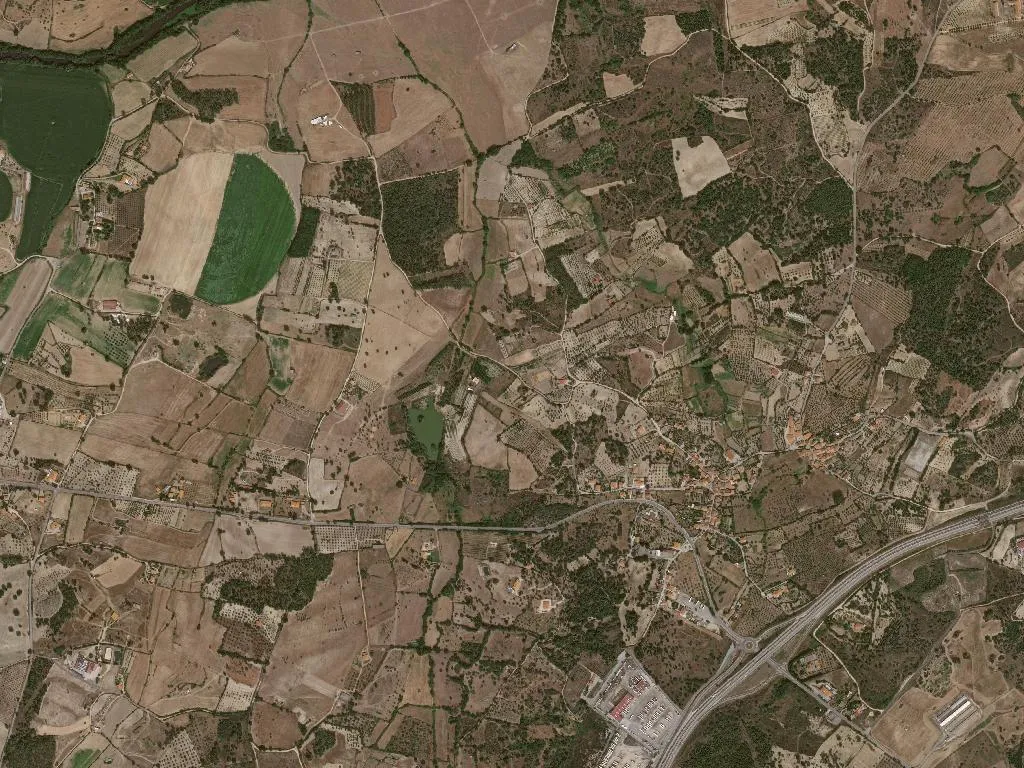
The N17 corkscrews down to Ratoeira as if it has all the time in the world. Peer through the windscreen and you’ll spot olive trees that have melted snow, survived drought and still refuse to give up their oil without a fight. The village materialises without fanfare—granite cottages stitched together like old men arguing over last night’s match. Roofs wear the thick, slate-black tiles locals call “donkey tile”, and waist-high walls exist less as boundary than elbow-rest for anyone who wants to watch the day go by. At 427 m the air carries the scent of sun-baked earth; in January it smells of oak smoke threading from chimneys, the olfactory equivalent of a grandparent’s living room.
Two hundred and forty-five people live here—enough to fill Café Central twice over, with chairs to spare. Ninety-two are old enough to heckle the government in stereo; twenty-four zip about on roller-skates in front of the primary school. The rest occupy the middle years, counting the days until Sunday’s open-air market in Celorico da Beira. Look around: vegetable plots hoed into ruler-straight lines, olive trees pollarded hard, sheep standing hock-deep in meadow run-off. It looks pastoral; it’s actually survival. They simply call it life.
In the shade of the mountain
The Serra da Estrela massif looms so close that its shadow warms the village before dusk. Take the dirt track upwards and within ten minutes you’re under a canopy of oak; five hundred metres farther and the stream is cold enough to give your wisdom teeth brain-freeze. When snow falls on the plateau, Ratoeira smells of split logs and gossip about who drove the tractor to Covilhã for milk.
The parish has been admitted to the Estrela Geopark network, but for José Martins—known to everyone as Zé do Celeiro—the label is just bureaucracy. What matters is that the granite outcrop above the hamlet “can hold up a marriage” and, when he was a boy, served as a rain gauge: if the rock turned black, there’d be a flood. Walking here is literally treading on history—watch your step in the cow-print crater where the neighbour’s heifer broke her leg yesterday.
What the table already knows
No manifestos are served at mealtimes, only food. Mentioning Serra da Estrela DOP cheese in these parts is like saying “sliced loaf” in London—it’s just there. Alongside arrive cotton-soft requeijão, throat-catching green olive oil, and kid goat only if it’s someone’s birthday or the animal nicknamed “the Viscount” hits target weight. Lamb is roasted in a wood-fired oven with sliced potatoes and a single beef chouriço lobbed in for fat; the kitchen timer is the smell drifting down the lane.
In a handful of smokehouses the old recipe still rules: dry-cured neck sausages, hams with the trotter dyed carrot-orange, walls turned noir by years of smoulduring oak. When four back-yards’ worth of olives have been picked, Manel fires up the communal press. The first drip is neon-green, viscous, and leaves your mouth feeling you’ve bitten straight into the tree.
Sunset slips behind the seventeenth-century church; the village shuts like a book reaching its final paragraph. First the crack of wooden shutters, then Toninho’s dog barking at the wind, finally the nine-o’clock bell reminding you to drain your glass. There isn’t a single monument to selfie with. Instead, there are people who will be up at seven to milk, frost or no frost. And that, frankly, is why Ratoeira justifies the detour—if only to taste the cheese before the rest of the world clocks on and the price doubles.