Full article about Cinco Vilas e Reigada: granite, ghost-hamlets & goat stew
Five silent villages above the Douro keep stone ovens smoking and keys under flowerpots.
Hide article Read full article
Granite crusted with lichen, wind that smells of rockrose and regret
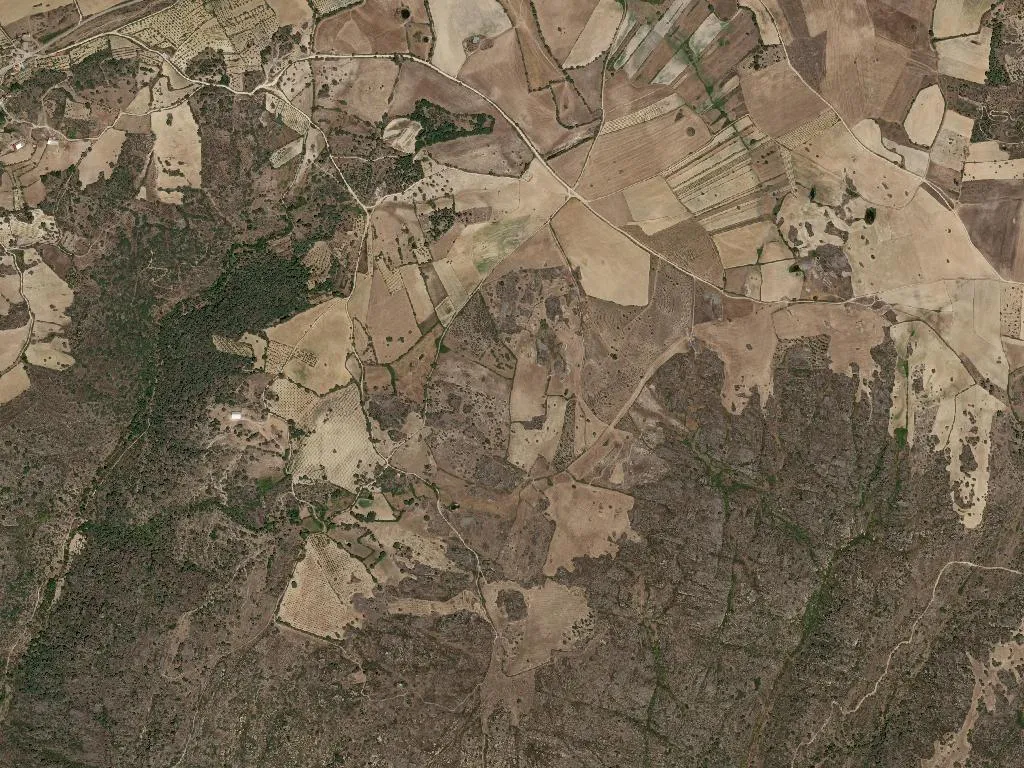
The slopes above the Douro are the colour of cooled coffee, mottled by lichen that looks as though someone set a cup down and walked away. Up-draughts carry resin from cistus bushes and the ghost of village gossip once traded on doorsteps; now there are no doors, and certainly no one leaning against them. At 698 m an administrative sleight-of-hand created the parish of Cinco Vilas e Reigada in 2013—five hamlets that never quite became villages, plus a scatter of houses called Reigada, “the irrigated place”, a name that feels almost ironic where every drop still has to be coaxed from the granite.
Five names, one exodus
Do the maths: 321 residents across 41 km² gives you 7.8 neighbours per square kilometre, roughly the crowd at a rural bus stop. Of 361 dwellings, 224 are locked until August, when the Lisbon number plate appears and the barbecue smoke starts. Since the last census the head-count has fallen by a fifth; the chapel has no priest, the fountain has no bowl, and the key is under a flowerpot for guests who rarely come.
What the table still gets
Yet wood-fired kid still spends three hours in a stone oven until the meat sighs off the bone like a redundant clerk. The oil poured over it is Beira cold-pressed, thick enough to make your throat glow. Terrincho DOP cheese arrives with a rind like shale and a centre that slumps—think of the locals you meet: resilient outside, obliging within. Chanfana, the goat stew, is clay-potted and clove-dark; the annual pig provides so little that the feijoada scoops up ear, tail and cheek in a single honest bowl. If your wallet’s thin you drink Beira interior red; if it isn’t, you trade up to Douro—either way the glass empties and the conversation lingers.
Between the river and the sky
Walking trails knot the five settlements like cousins who no longer speak. Along the way you pass olive terraces slipping toward the water, threshing floors turned to wildflower beds, and the occasional schist cottage whose roof has folded in on itself like a failed soufflé. Griffon vultures circle overhead, patient boarders at an empty larder. The territory nudges the Côa Valley, where Upper Palaeolithic artists signed the schist with horses and aurochs—history’s first graffiti, carved before towns were even imagined.
Evening comes sideways. Sunlight catches the whitewash, woodsmoke drifts without urgency, and the cheese lingers on the tongue longer than the church bell rings. Nothing here is picture-postcard; it is simply what remains when the world looks elsewhere—hard, brittle, but still holding its shape.