Full article about Folgosinho: granite breath above Guarda
Rye-oven smoke, ewes’ milk cheese and 13th-century stone hush in Gouveia’s sky village
Hide article Read full article
A Cold Breeze in August
The air is thin enough to sting, even in high summer. At just under a thousand metres, Folgosinho wakes to the smell of rye loaves forming their obsidian crusts in communal wood-fired ovens. Granite footsteps ring down the single cobbled lane, the only reply a stream muttering somewhere below the houses. Silence here has mass: it presses on the eardrums until the tinkle of the parish bell or the scrape of João’s café shutters – opened only when the sun tops the church tower – feels almost violent.
Stone that Remembers
The Igreja Matriz de São Julião has shouldered the wind since the thirteenth century. Inside, a gilded baroque altarpiece flashes against bare stone like a reliquary turned inside out. Baptisms, weddings, funerals: every rite of the Beiras was once measured against its Romanesque doorway. A few paces away, the tiny Chapel of São Sebastião keeps the same blunt restraint, hewn from the quartz that ribs the mountain. Between them the cemetery stitches generations together – the same dozen surnames carved in rows, cousins laid head-to-toe like roofing tiles.
Patrimony, though, spills beyond the walls. Follow any footpath and you meet espigueiros – corn cribs on stilts – in numbers usually seen only in open-air museums. Their granite feet keep rye and maize clear of damp; their slated bodies bake grain in mountain air. Most stand empty now, repurposed for tools or grandchildren’s hide-and-seek, yet their outlines still notch the skyline like a row of broken teeth.
Cheese, Lamb, Altitude
Serra da Estrela DOP cheese begins here, not in the shops of Coimbra or Porto. Bordaleira ewes graze slopes scented with lavender and wild thyme; the night chill thickens the milk, the curd sets slowly, and the resulting wheel ripens to a spoonable centre veined with cave-mushroom and lemon peel. José Mário, wrists white with curd, shrugs at questions: “No rush, no gloves – that’s all my grandfather taught me.” The advice works for life as well as cheese.
Sunday lunch runs to Lechazo da Beira – milk-fed kid roasted in a wood oven until the skin crackles like sugar glass – and to lamb shoulder that tastes of heather and woodsmoke. Dão reds, coaxed up the switchbacks from the valley, cut the fat and refresh the palate. In Dona Amélia’s grocery you still point at the chouriço you want, watch her slice it on a 1950s scale, and count coins across the varnished counter.
Territory of Rock and Water
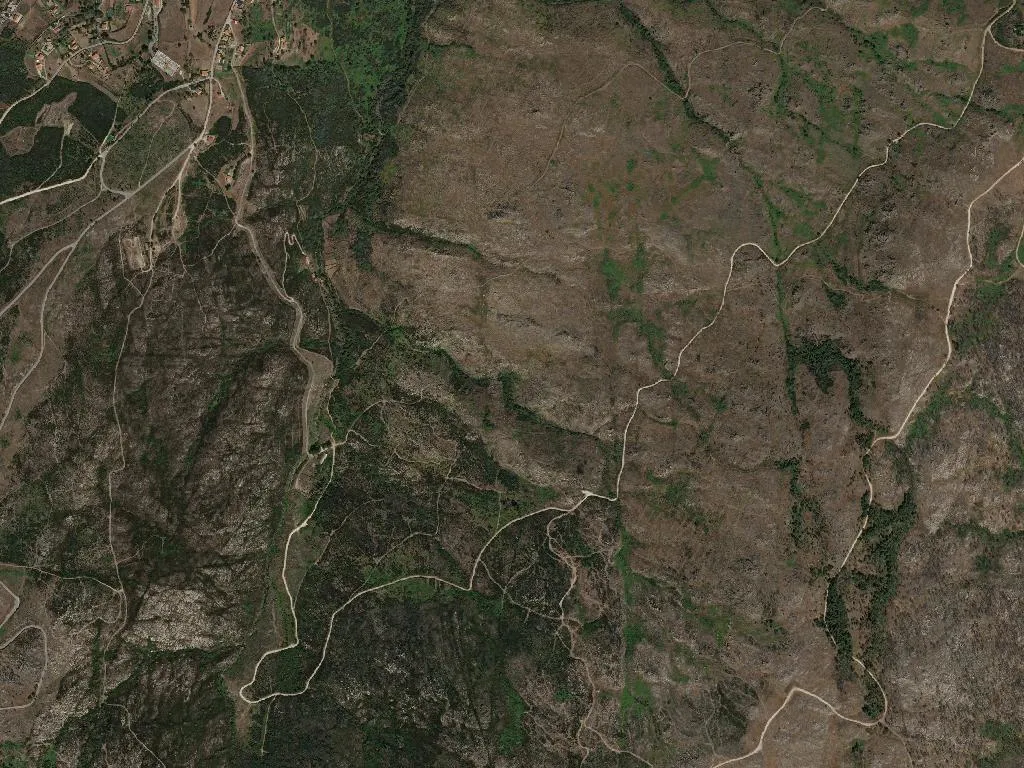
Trailheads leave the village almost at the church door, climbing through oak and maritime pine towards the Mondeglho and Zêzere headwaters. The Geopark Estrela interpretive boards speak of glacial cirques and roche moutonnée; local grandfathers call the same boulders “devil’s stones” and swear they were dumped there to keep men busy. Either way, ice has polished the quartz to a glassy sheen, and upland bogs glint like broken mirrors among the turf.
Winter dawns bring fog that swallows rooflines; summer delivers sightlines clear to thirty kilometres, white villages balanced on opposing ridges like sugar cubes. Emigrants back for August blink at the absence of mobile signal and ask, half joking, when João will finally get Wi-Fi. The answer is a shrug: “When the sun hits the belfry, we open; when it drops behind Cabeça do Faraó, we close.”
Where the Cold Carves Flavour
Census data is merciless: 442 inhabitants across 52 km², most of them past sixty. Yet numbers cannot quantify the way chill rises through flagstones at dusk, or how altitude distils flavour – in cheese, in lamb, even in the coffee that cools the moment it leaves the machine. The village endures in muscle memory: the sting of mountain air, the metallic taste of granite dust, the sweetness of rye that has known nothing but wood smoke and high-summer mist. As Dona Amélia says, pocketing the exact change, “Even July comes with a cardigan here.”