Full article about Granite chapels & vines clinging to Gouveia’s sky-staircase
Moimenta da Serra e Vinhó, where stone walls sweat sun and every sip tastes of altitude
Hide article Read full article
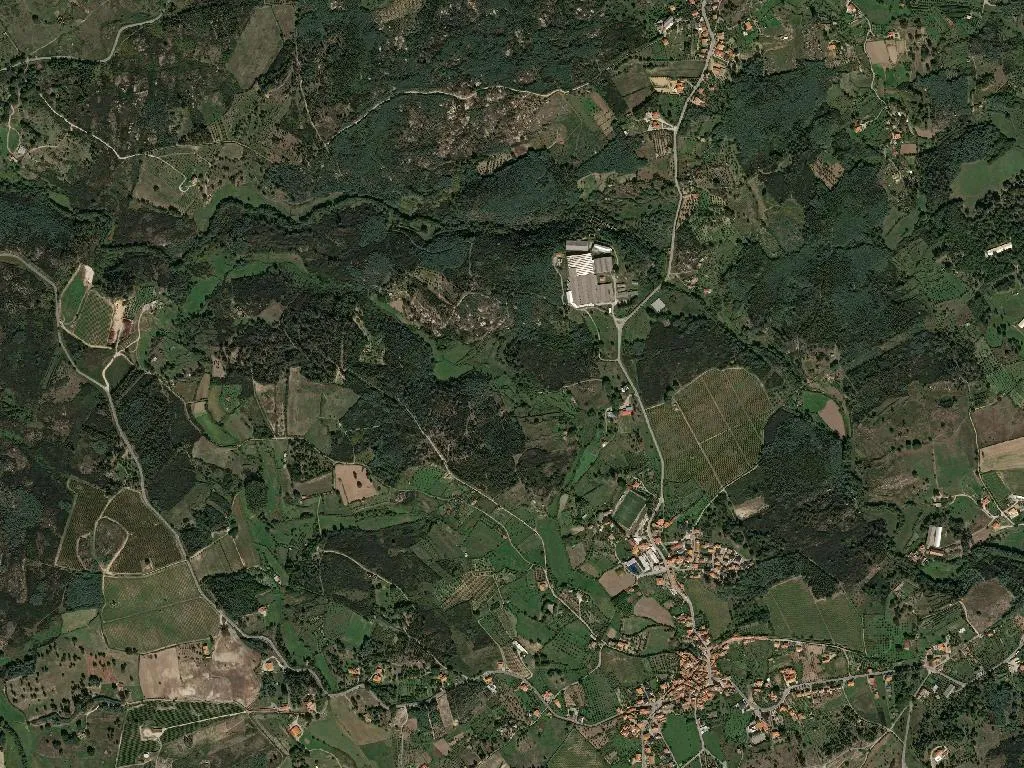
The granite warms in the afternoon sun like coffee that hasn’t finished cooling. In Vinhó every wall is local stone; ask António where he last cut a block and he’ll point to the scar in the quarry behind his house. From 516 m the valley looks like a giant’s staircase: each dry-stone riser is a terrace, each terrace a row of vines that survive on whatever the sky concedes and the granite conserves.
Two villages, one slope
The civil parishes were merged in 2013, yet people still say “I’m going up to Moimenta” or “I’ll drop down to Vinhó” as if crossing a street rather than a contour line. Before the amalgamation Moimenta had three grocery shops and a post office; Vinhó had more vineyard rows than inhabitants. Both share the same geography—mountain at the back, drop in front, and the old EN 17 that brings strangers in and takes the young out.
Of the 1 071 residents, 426 are old enough to remember when the Beira Alta railway still stopped at Gouveia, nine kilometres away. Half of the 130 under-30s only appear on Friday evening. Empty houses have outnumbered the living for so long that even the census bureau has stopped correcting the figure; the ones recently restored for tourists are now called “Casa da Rosa” or “Casa da Oliveira”, but the stone is the same stone—just with under-floor heating.
Stone that prays
Moimenta’s nineteenth-century mother church keeps its main portal unlocked for the funerals of people everyone knows; daily devotion is left to four granite chapels strung along the lanes. Nossa Senhora do Porto was once the destination of rain processions; São Sebastião, promised half the harvest during the 1893 cholera scare, still receives the debt in wax on 20 January; São Pedro and the Trinidade do the light work of baptisms and broken hearts. The parish council meets in the old primary school; the teacher’s cane still hangs on a nail in the corridor.
Taste that starts uphill
The cheese is the same DOP Serra da Estrela you find in Lisbon delicatessens, only here it arrives in Zé’s bare hand, lifted from the brine vat with the question “Want a bit?” Lamb and kid have never seen a feedlot: they graze on heather and gorse that season the meat better than any spice rub. Wine is more contentious—some cartographers insist the Dão demarcation begins at the next ridge, but in October the scent of fermenting must drifts through both villages and even the café dog walks tipsy. If you see an iron lid propped against a doorway, knock: it marks a working adega where the barrel is full and the conversation even fuller.
Walking where the granite shows
The paths have no marketing names: “the fountain track”, “the withered olive way”, “the bend above the swimming hole”. The Naturtejo Geopark has added metal way-markers, but locals still call the schist boulders “the usual stones”. Higher up, whale-sized erratics litter the slope—legend says giants played dice; glaciology says ice. Either way, they make perfect picnic tables. When the cloud sinks, stop: the stream sounds as if it’s beside you, and with luck you’ll hear a wild boar turning over the stones of the old water-mill race.
As the light goes, chimney smoke rises in vertical pencils, sketching the map of houses that still contain voices. The smell of oak logs mingles with the orange-smoke paprika of the chouriço Ventura hung in December, now appearing in thin slices with the inevitable injunction “have another piece, go on.”