Full article about Sobral da Serra: where church bells chase shepherds’ footste
Granite balconies, chestnut groves and wax-flowered chapels hush Guarda’s high village
Hide article Read full article
The Bell’s Echo
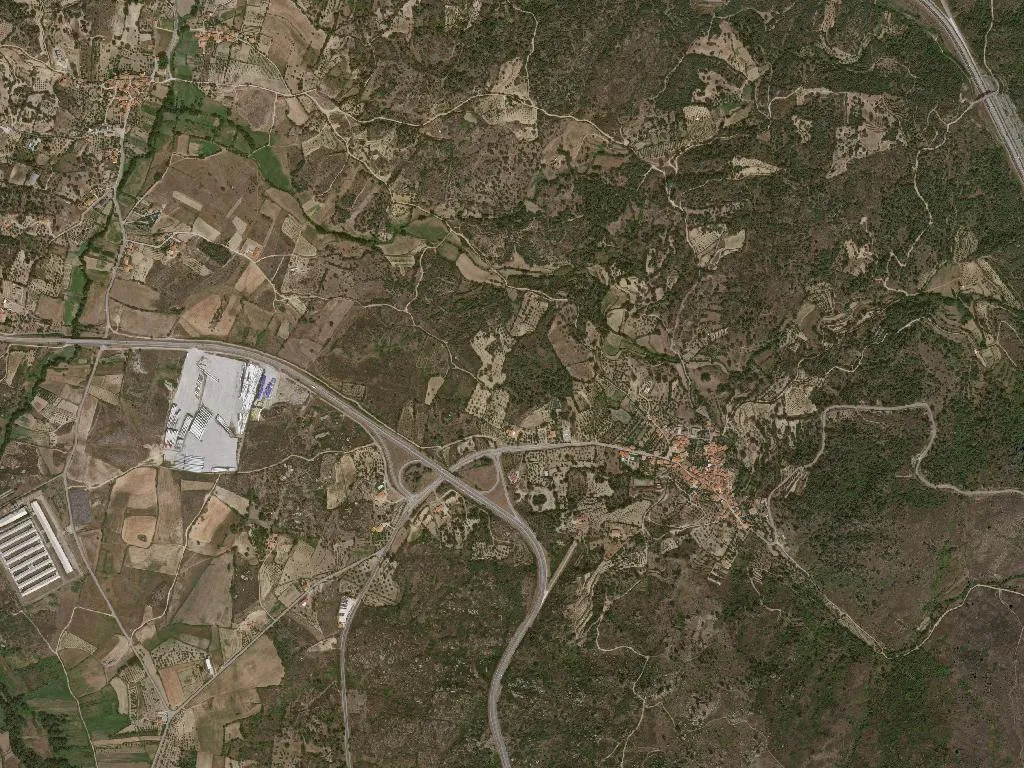
The church bell strikes three times; the note ricochets down the valley, grazes the mica-flecked schist and expires in the Sobral stream. Nine o’clock: the village exhales. Wood-smoke rises in a single blue-grey column through the knife-cold November air. At 516 m Sobral da Serra still keeps the rhythm of transhumance—some mornings you meet the last shepherds bound for the Torre plateau, donkeys draped with Queijo da Serra wrapped in unbleached linen and raw wool. Of the 213 souls on the parish roll, half were born here; the rest arrived intending to leave, then stayed, defeated by a silence that happens to sound like music.
The Stone No One Shifted
In the hamlet of Pero João a menhir stands knee-deep in bruised grass beside the footpath to the chestnut grove—no sign, only hoof-prints. Waist-high, rain pools in its cranial hollow; locals say whoever drinks there forgets the thirst for cities. The parish church waits at the lane’s end, no gates, no ticket booth, door ajar, smelling of candle stubs and neighbour’s laundry steamed over the choir stalls. The gilding on the altarpiece has thinned, but the wax flowers Adelina renews at Our Lady’s feet outshine most museum pieces. Each June the statues are carried down to the stream with homemade tapers; wax drips into the water and carries the petitions away.
Paths That Vanish, Then Re-appear
A yellow arrow of the Santiago route is painted on Zé dos Cabaços’s barn—blink and you’ll stride past. The track climbs between fern-flecked schist walls, pushes through broom and suddenly breaks onto Penedo do Falcão: from this granite balcony the Mondego uncoils below, snow-patches stipple Caramulo, and in winter you can read the Guarda school-run by its tyre-mud calligraphy. In August children in mirrored sunglasses colonise the stream pools; the water is cold enough to make bones sing, yet no one concedes first exit.
Scent of Bread, Whiff of Smokehouse
On Wednesdays Bruno fires the communal oven at 4 a.m.; rye loaves are slapped in with a boot, espresso is short, and requests for UHT milk are ignored. By noon the “Cimo” serves whatever exists—turnip soup with chouriço, or migas with Sunday’s leftover lamb that D. Amélia has loaned from her own table. The cheese is always the same: semi-cured, slippery, clinging to the plate like a guilty secret. Red wine arrives in five-litre flagons sporting photocopied labels; you ask for António, not for a brand.
Everything Changes Hands Except the Address
The Time Bank operates from the old parish-council room: a single A4 sheet records “João – 3 hrs pruning for 1 hr sewing with Lurdes”. Punctuality is theoretical, the ledger always balances. When snow blocks the mountain road, Neto’s tractor descends before dawn to carve a passage for the post van, then climbs home alone, a dog that knows its way. University students Skype on Sunday evenings: did the chestnut grove flower yet, does the mushroom-kit still send its fungal perfume through Mother’s kitchen window?
The sun drops behind the cabeço ridge and the light adheres to the schist as though the stone itself were molten gold. Below, the Sobral stream keeps talking—noisy when it rains, vanished in August. Those who remain fall asleep to its gossip; those who leave carry the sound for years—a small water-clock that refuses to let the place fade.