Full article about Barreira: Almond Snow on Schist Terraces
Barreira, Mêda hides stone terraces, peppery olive oil, almond-white hills and pilgrims’ rooms with no Wi-Fi after ten—Guarda’s timeless schist village.
Hide article Read full article
Afternoon light on schist
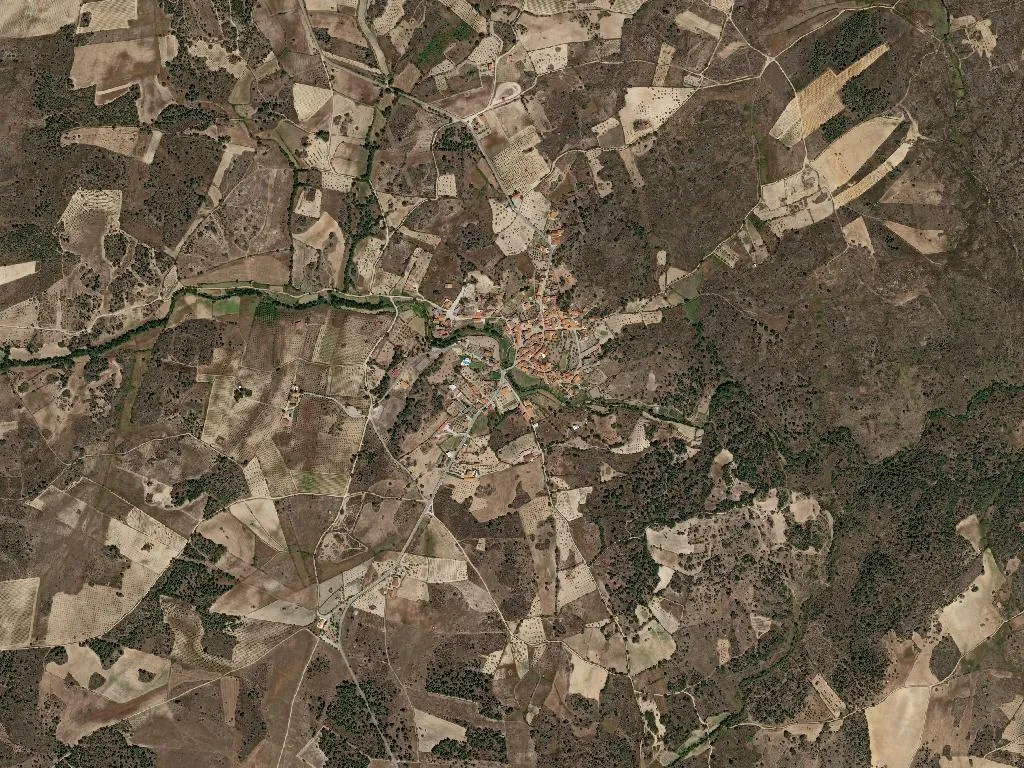
By four o’clock the west-facing stone glows like a warm plate. A single dog barks somewhere below the cork oaks, then thinks better of it. Barreira—six square kilometres of northern Beira Alta, 460 m above sea level—keeps its own quiet orbit: 165 souls, 98 of them past retirement age, only six under ten. Geometry here is drawn by dry-stone walls and almond branches, not planners.
Almonds, olives and smoke
Terraces shoulder the slopes, each held in place by hand-built walls of the same grey schist that roofs the houses. Between them, olive trees older than the republic give the region’s DOP oil: fruit is taken to the Lagar de Mêda cooperative and crushed within hours, yielding a peppery green gold that locals still measure in 250 ml beer bottles. In February the almond buds open; for ten days the parish looks as if someone has thrown a white sheet over the hills, then the petals spin away and the land reverts to ochre and sage.
Pig-killing happens after the first frost. Chouriço hangs in kitchen chimneys until it bronzes; hams are rubbed with garlic and pimentão, then left to ride out the winter on ceiling hooks. The cheese is Terrincho DOP—raw milk from Churra da Terra Quente ewes, firm, yellow-paste, tasting of thistle and broom. Lamb is either Terrincho DOP or the lighter IGP kid from the Beira plateaus, both reared on the commons where gorse fires are still banned by unwritten village law.
A quieter way to Santiago
The Inner Portuguese Way—Via Lusitana—crosses the parish on its 22 km stage from Almofala to Barca d’Alva. Pilgrims arriving at dusk find no albergue, only three low houses signed simply “Quartos”. There is Wi-Fi, but the router is switched off at ten; wake-up calls are provided by cockerels that ignore Greenwich Mean Time.
In the tiny chapel of São Sebastião, 17th-century tiles show the saint arrow-pierced in azulejo blue. The key is kept by Dona Alda two doors down; she will insist you take off your rucksack before she hands it over, as if reverence were measured in shoulder straps.
Where supper finds you
There is no restaurant, no café, no cash machine. Hunger is solved by climbing the cobbled Rua do Calvário and knocking at number 14. Dona Fernanda appears in a crocheted shawl, wipes almond blossom from the table and brings turnip soup with pancetta, a wedge of Terrincho still weeping whey, and a glass of house red that costs whatever you insist on leaving under the plate. While you eat she talks about her daughter in Lyon, the price of olive fly traps, and how the village telephone box became a tiny library in 2019—two shelves, no late fees.
Dusk drags the shadows of the almond trees across the terraces; wood smoke signals that at least one hearth is still beating. Outside, the Milky Way feels close enough to snag on a branch. Somewhere downhill the dog starts again, then remembers where it is and falls silent.