Full article about Bell-echo Plateau: Atalaia & Safurdão’s Watch
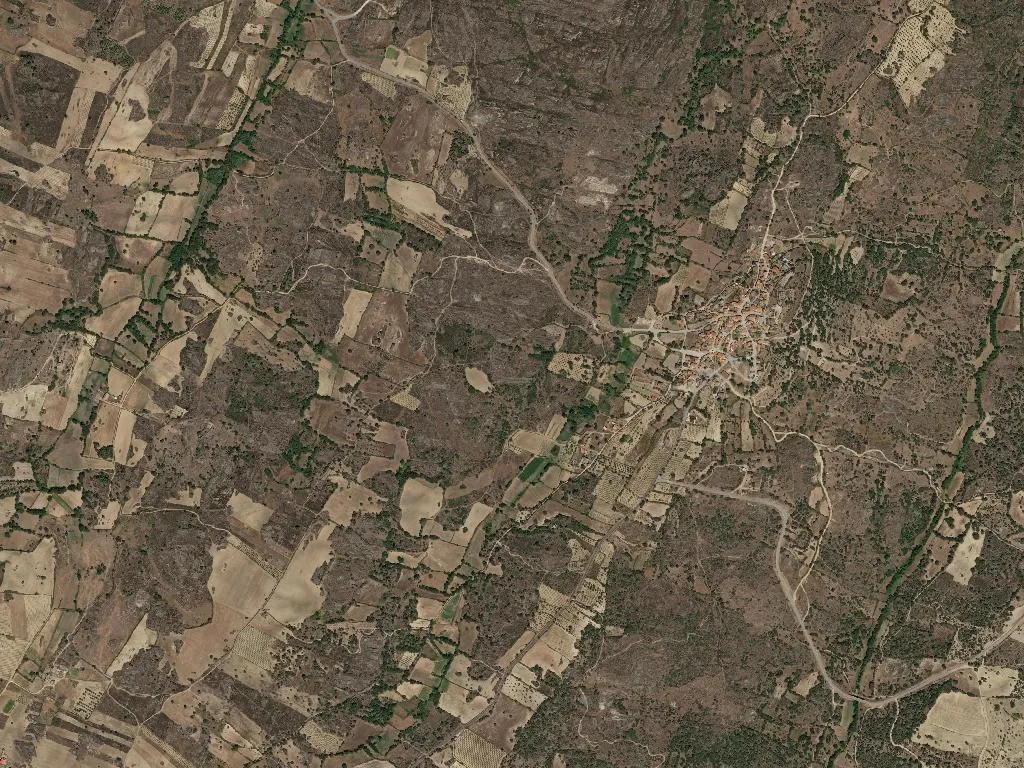
Atalaia & Safurdão, Pinhel: 733 m plateau, bell-echo, 38 ruined mills, buried church silver, chanfana clay-pot goat & Beira wines
Hide article Read full article
The Bell’s Echo
The church bell—locally called Nossa Sr.ª Mãe dos Homens—strikes three times and the note slinks across the plateau like a reluctant cat. At 733 m above sea-level the air is thin enough to carry the sound all the way down to the Ribeira das Barrocas, where thirty-eight windmills stand in ruin, lined up like a football squad whose bus never arrived. Scent is the first forecast: thyme means sun, heather means rain.
Atalaia takes its name from the Latin talea—“to look afar”—and that is what the village has done since anyone can remember: kept watch. Below it, Safurdão hugs the valley floor as if trying not to be noticed. Together they form the civil parish invented in 2013; barely 200 souls, 121 of them already over sixty-five. Silence here is not emptiness; it is an archive.
Forty Mills and a French Robbery
In the nineteenth century Atalaia was the district’s flour factory. Forty water-mills worked the two streams at once; the grandest boasted three pairs of grindstones—the period equivalent of triple garages. The last miller, João Pires, shut the sluice in 1955. Today the leats are velvet with moss and the stone walls stay upright only through obstinacy.
The parish church, a National Monument since 1922, still carries the swagger of a building that once saw off French troops: in 1808 they stripped it even of its silver reliquary. The villagers buried the bell in the churchyard; French pikes were not about to dig up the entire square. On the Sunday nearest 15 August the romaria still assembles—five thousand pilgrims in the 1950s, a few hundred now, but the bakery oven is lighted all the same.
Olive Oil, Kid and Beira Wines
Chanfana is goat, red wine, bay and garlic, and it is only chanfana if it is baked in a wood-fired clay pot; anything else is an impostor. Beira Alta DOP olive oil is pressed from galega and verdeal olives; one thread over soup and the waitress will ask whether you have only now learned how to eat. The cozido de graúdo must contain smoked paio, chouriço and morcela; otherwise it is just cabbage soup. Marofa sheep’s cheese refuses to melt at the first grilling—it holds its ground.
To drink, head twelve kilometres south to the Adega Cooperativa de Pinhel: Touriga Nacional, Tinta Roriz, Jaen. Fill up a bottle; between there and here you will pass neither petrol station nor off-licence.
Barrocas Valley Walk
The signed trail is six kilometres, starting at the church, dropping to the stream, passing mills that look ready to collapse yet never do, then climbing to Safurdão. Wear soles that bite—moss slicks the stones and water runs over them. A heron often stands where Zé Manel’s father once fished; if you are lucky you will spot otter prints in the mud. From the Penedo do Alto Pina, an old lookout, the Douro appears below as a grey ribbon. Night skies are dark enough for the stars to feel noisy.
Christmas on the Largo
On Christmas Eve the square fills with pumpkin soup, mulled wine and corn broa. Zé Manel brings a bottle of aguardente “in case the wine is too cold”. On 20 January the procession of São Sebastião blesses the fields, lights bonfires and sings modas de desafio—improvised verses no one writes down yet everyone knows. Easter Sunday ends with the burning of the Facho, a beacon that turns night into day and makes the cottage walls look like midday.
Water stands still in the leats, the mills no longer grind, but the bell still tolls. When the wind shifts to the north, you could swear the wheels are about to turn again.