Full article about Ervedosa, Where Granite Keeps the Sun
137 souls, slow-roasted kid and a plateau that time forgot above Pinhel
Hide article Read full article
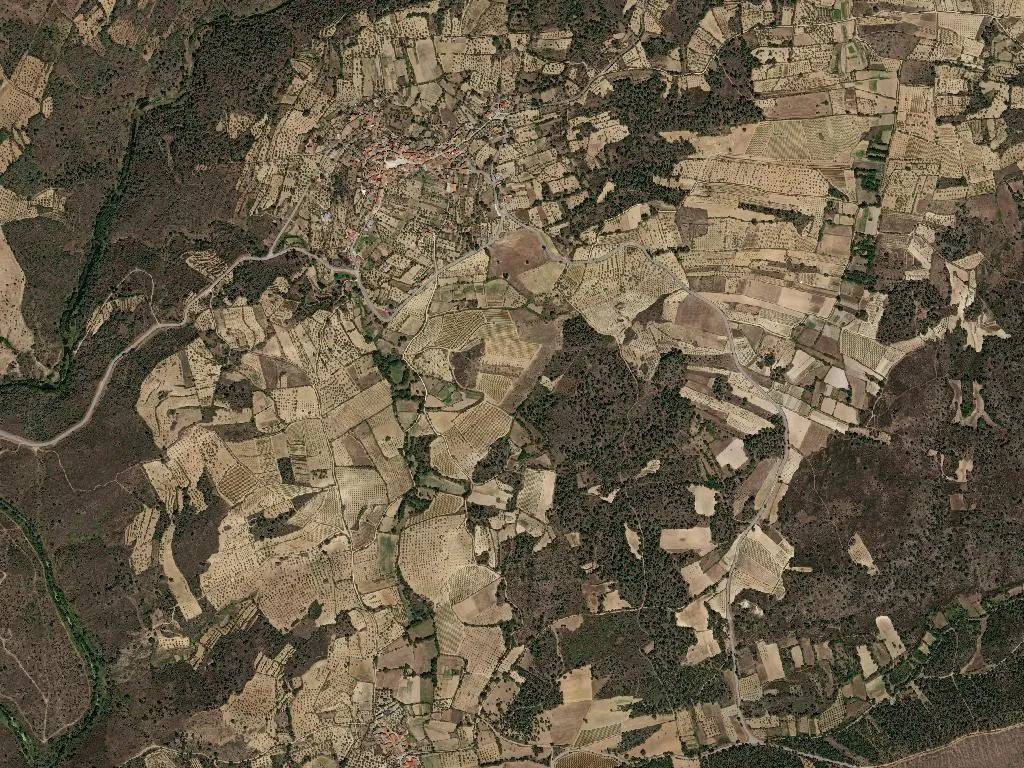
The granite is too hot to touch by four in the afternoon. At 522 m above sea-level, Ervedosa lets the sun linger on its stone walls while 137 souls occupy twelve square kilometres of Beira Interior plateau as if time had been asked to wait outside. Pinhel’s town hall collects the taxes, yet the parish governs itself by habit: 75 residents past retirement age, only three still in primary school. Demographers call it statistical erosion; locals call it staying put.
Olive oil, kid and the taste of staying
The kitchen here is not a performance. DOP-certified olive oil from the municipality’s own co-op trickles thick and grass-bitter over IGP kid that has never seen a freezer. Wood-fired ovens the size of confession boxes do the work overnight; the meat leaves the bone at the nudge of a fork. Dark rye bread, potatoes and winter cabbage complete the arithmetic of subsistence. There is no tasting menu—just the sound of clay lids lifted and the smell of acacia smoke drifting into streets that have no names.
If António at the café invites you for dinner, cancel your plans. His wife still roasts the kid the way her mother did during the charcoal ration—slow, defiant, unforgettable.
Anatomy of a landscape
No waymarked loops, no selfie decks. Tracks simply peter out between walled plots where low, black-skins vines face the continental swing—minus eight in January, forty in August—and keep their sugar for the Beira Interior reds. Walkers share the dust with shepherd dogs and the occasional municipal tractor that doubles as the school bus. Granite is the default building material: pale, quartz-flecked, glinting like mica in a Woolf novel. Where the plateau fractures, the Douro appears far below—a white scar on khaki earth—best seen from the unmarked bend on the CM615 just past the whitewashed wall that hides someone’s entire cork harvest.
Stop the car, let the engine tick, and take the photograph quickly; the view feels borrowed, not owned.
Night without a filter
Dusk pulls long shadows across the cereal stubble; a wooden gate slams somewhere and the echo has nothing to bounce off. When the last light bulb comes on—solar-powered, hesitantly—the gaps between houses fall into total darkness. You remember what stellar density looks like: the Milky Way spilled over black marble, cold air sliding down from the Spanish meseta even in June. Sound returns as a single dog barking itself hoarse, claiming a radius no head-torch will cross.
Come for the São João eve in late June. Grilled sardines, plastic cups of local tinta, dancing that no one teaches because bodies already know the steps. Bring a jacket: midnight arrives with a wind that forgets it is supposed to be summer.