Full article about Pínzio: Where Silence Cures Kid in Olive Smoke
Granite lanes, 13 souls per km², DOP oil & IG goat roasted in wood ovens
Hide article Read full article
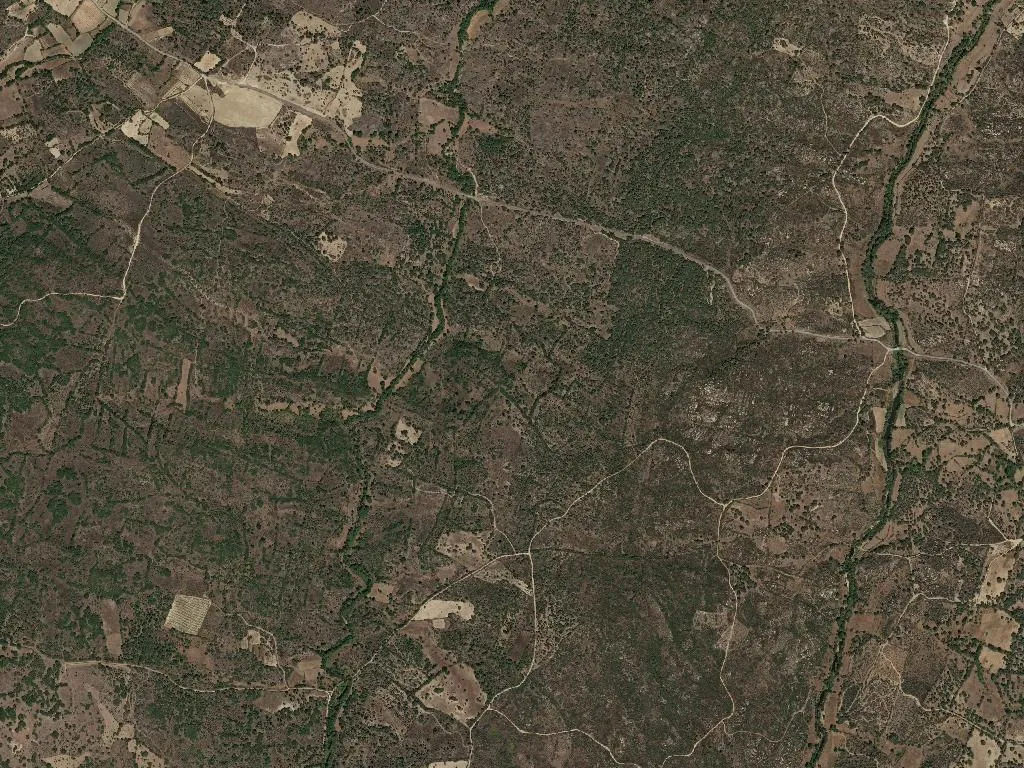
Granite seams the lane like iron soldered to the earth, rain-blackened and glass-smooth. At 688 m the Beirão plateau tilts, its first slow swells beginning just beyond Pínzio’s last streetlamp. Three-hundred-and-sixty-five souls occupy 27 km² of schist, stray olive groves and broom-coloured pasture where kid goats graze under the Beira Interior IG seal. The arithmetic is blunt: roughly one neighbour every five football pitches.
The Geography of Growing Old
Pinhel’s parish registers list 183 residents over 65; only thirteen children enrolled in primary school last autumn. Population density—13 people per km²—translates into ordinary solitude: the nearest grocer two kilometres away, the bus to Guarda three times a week. Yet distance also magnifies small courtesies: headlights dipped to greet a stranger, a crate of lemons left on a wall, the single café owner who remembers how you like coffee.
Olive oil and kid: the region’s larder
Schist and a continental climate force olive roots to struggle, concentrating flavour. Pressed within hours of harvest, the local oil carries cut-grass and green-almond notes and qualifies for the Beira Interior DOP. In wood-fired ovens that same oil anoints Cabrito da Beira—milk-fed kid protected by geographical indication—its pale flesh easily teased into juicy shreds. The roasting juices, thickened with garlic, sweet paprika and white wine from similarly smallhold vineyards, soak into rough-cut potatoes that blister and caramelise.
Forgotten vines
Pínzio sits inside the Beira Interior wine region, a demarcation older than the Douro but without the PR. Terraces barely two metres wide are stitched into schist escarpments; plantings of Rufete, Fonte Cal and Síria yield medium-bodied reds and high-strung whites with a dry, schistous grip. There are no tasting lodges, no pipette-wielding guides—just flagons brought to table in heavy glass, poured alongside the kid and a shard of cured sheep’s cheese.
One house, taken in
There is no hotel, no boutique conversion. A villager simply unlocked an upstairs bedroom, left a wool blanket on the iron bed and hung the key on a nail. Staying means waking at six to cold air needling through shutter gaps, hearing nothing but a single chainsaw echoing across the valley, smelling the first twist of eucalyptus smoke from the kitchen next door. Plumbing is reliable, Wi-Fi non-existent. The rate is €35, payable in cash to the parish council clerk who doubles as the baker’s aunt.
Evening light slants across whitewash, stretches shadow the length of the granite steps. The sill warms under your palm. No one walks past.