Full article about Bendada: Where Bulls Run Through Village Lanes
Bendada, Sabugal: join 473 villagers as Capeia Arraiana bulls thunder through lanes, wood-roasted kid scents kitchens and Malcota vultures wheel overhead.
Hide article Read full article
The metallic rattle of cowbells arrives before anything else, then the dull drum of hooves on packed earth, then voices shouting in a language that is Portuguese with a Spanish lilt – or perhaps Spanish with a Portuguese twang. In Bendada, less than ten kilometres from the Spanish border, the Capeia Arraiana is not a folkloric show laid on for tourists. On the appointed July afternoon the entire village turns itself into an improvised bullring: front doors become grandstands, granaries become boxes, and every resident is the arena.
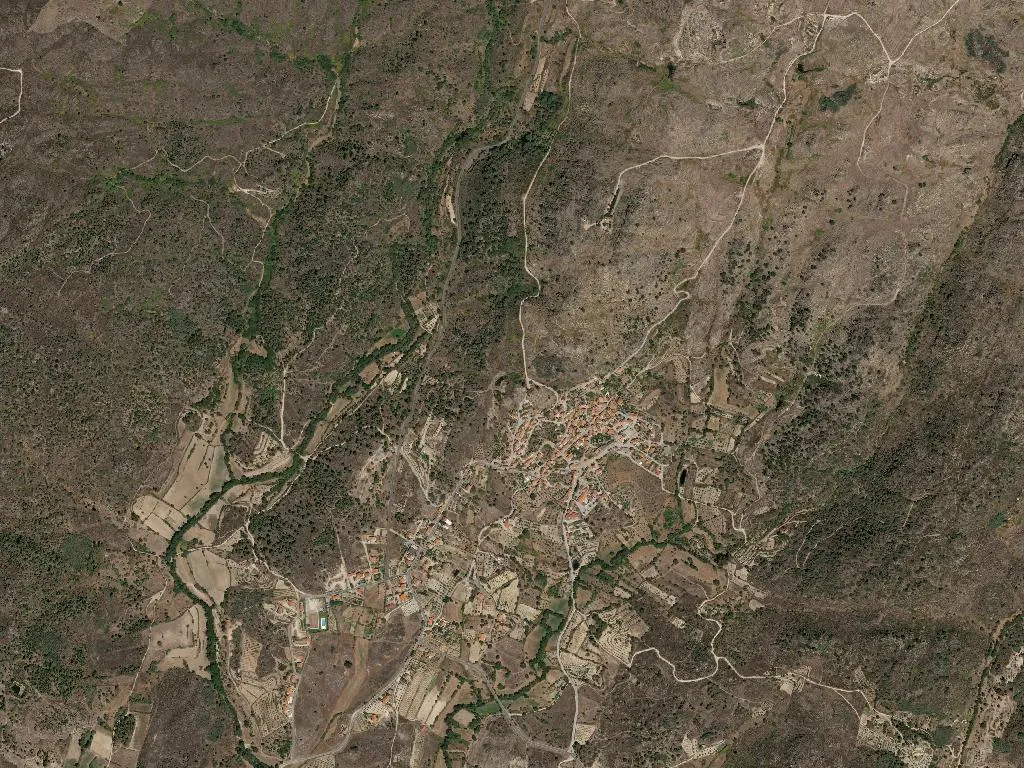
The civil parish registers 473 souls. In practice that means 473 people who can name the other 472. Half are over 65; the children can be counted on two hands. What remains is space – 3,460 ha of granite and strawberry trees where silence is so complete you can hear your neighbour think.
Land Between Two Lands
The Malcata Nature Reserve is just “down the road”, close enough to pop out for bread. Foxes trot past as confidently as village dogs; griffon vultures wheel overhead while you drink your espresso. The landscape is what time and depopulation decided to leave: oak woods where wild broom grows unchecked, summer streams that are more stone than water, and boulders scattered as though a deity lost patience.
In village kitchens you eat what you raise. Kid goat spends the night in nothing more than its own juices, then slides into a wood-fired oven; the only seasoning is rock-rose smoke and the slow hours of roasting. Olive oil tastes of frost-bitten April soil, the bitterness catching at the back of the throat. Rye bread is heavy as hiking boots, its crust thick enough to serve as a shield in a snow-ball fight.
A Fiesta that Ignores the Border
Capeia is what bullfighting would look like if it had been invented in a village bar. Bulls – not exactly tame, yet not the glossy professionals of the arena – career through lanes that still see more cows than cars. Local lads, and the ones from across the line, take turns facing the horns as casually as fetching the morning rolls, with the difference that bread never gores you. Between charges the beer is Spanish, the wine is Beira Interior, because the border is a cartographer’s whim, not a thirst.
Three houses rent rooms. None is a glossy holiday let christened “Casa do Something-or-Other”; they are family homes whose fireplaces have warmed three generations, whose sofas deliver a deeper sleep than any hotel mattress. There is no reception desk, only Dona Alice with the keys and a half-hour conversation about the weather and how her grandson moved to Lisbon and no longer asks after the land.
When the sun drops behind the keep of nearby Sabugal, the whitewashed walls turn the colour of burnt honey and wood-smoke rises as though afraid of smudging the sky. The scent of oak logs is the announcement that dinner is on the table, that the hearth is alive, that someone still chooses to live where the GPS hesitates and silence is not an absence but the presence of something else entirely.