Full article about Bismula: granite silence above the Côa
Where rye terraces cling to 813 m and bulls rule August
Hide article Read full article
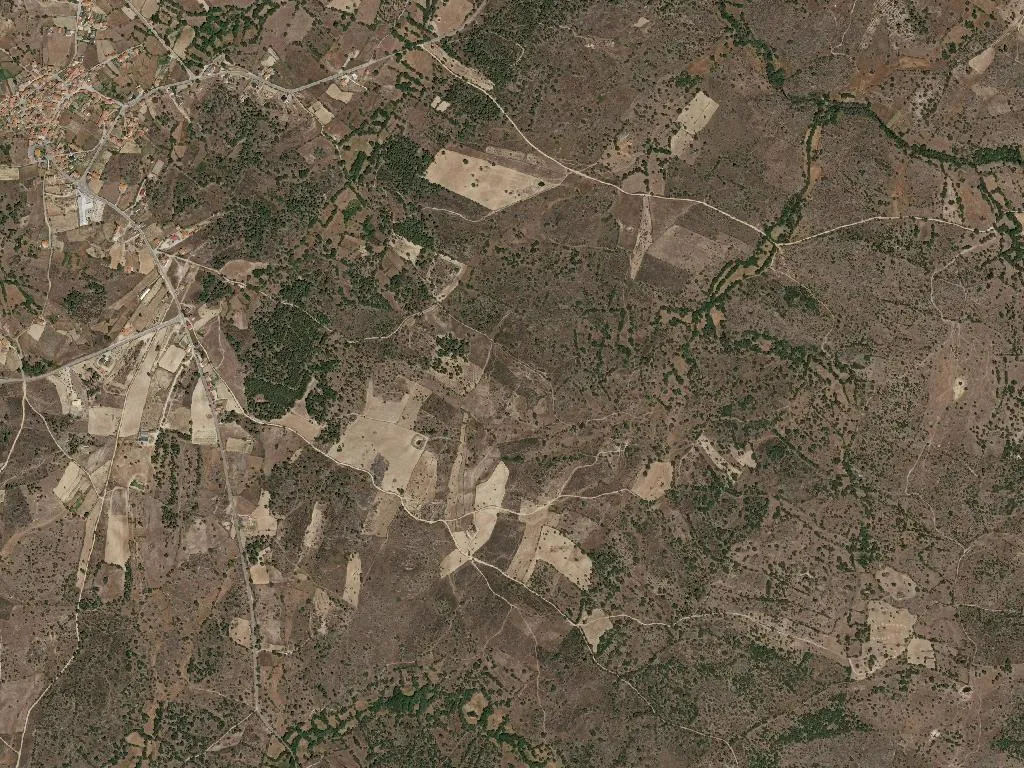
At 813 m the wind slices straight off the Spanish meseta, carrying the scent of rockrose and a silence so complete you hear your own pulse. Bismula, a single parish on the north-west lip of the Serra da Malcata, answers back with granite. Ninety-seven of its 190 souls are over 65; the rest have either left for Lyon, Geneva or Leicester, or they tend the narrow, rye-coloured terraces that spill down to the Côa river. Two thousand hectares, ten people to the square mile – the mathematics of endurance.
The mountain next door
There is no visitor centre, no way-marked loop, only the Malcata Nature Reserve beginning where the last cottage ends. Schist tracks zig-zag through heath and strawberry tree, descending into folds where otters leave prints in the mud and Bonelli’s eagles circle on thermals like slow punctuation. The Iberian lynx that justifies the reserve’s UNESCO candidature is present only as scat on a boulder or a sudden hush in the blackbird chorus. Walking here means thinking like a goatherd: read the incline, follow the wind, trust the hoof-polished stones.
A calendar measured in bulls
Every August the improvised bull-ring of eucalyptus planks and straw bales appears in the main square. Capeia Arraiana – the border’s own bloodless bull-running – is not a show for day-trippers; it is the parish clock. Locals who weld car bodies in France or drive coaches in Switzerland book their flights home months ahead, returning to test nerve against a 600-kilo fighting bull while the village band rattles through waltzes. When the dust settles, the animal walks away unharmed and the year’s cycle clicks forward another notch.
What Sunday tastes like
The wood-fired oven behind the café only reaches temperature once a week. When it does, trays of kid goat – Beira DOP, milk-fed, salted the night before – slide in on long paddles. An hour later the meat loosens from the bone, glossy with local olive oil whose polyphenols bite the back of the throat. Rye bread, dense enough to blunt a steak knife, soaks up the juices. In the smokehouse across the lane, oak logs exhale over hanging chorizo; their aroma drifts into streets that already echo with last night’s guitars and tomorrow’s departure.
Dusk fires the western granite the colour of Madeira tawny. Footsteps ricochet between empty houses, yet the place refuses to be quiet: you hear it in the clatter of irrigation channels, the soft collapse of embers, the low greetings of neighbours who still measure distance in walking time. Bismula survives the way the mountain does – by holding fast, by letting the wind pass through.