Full article about Casteleiro: Schist, Ox Rituals & Serra Lynx
Dawn wood-smoke over Casteleiro’s cliff-edge roofs, wine-scented kitchens, January ox-dance & lynx-h
Hide article Read full article
Dawn on schist
Schist turns charcoal under dew; a stream mutters between stones before sunlight grazes the ridge. Casteleiro wakes reluctantly—oak doors groan, wood-smoke knits itself into the cold air. At 669 metres the silence has body: dense, almost chewable, broken only by the church bell or a dog barking somewhere beyond the rooftops.
A village built for watching
The name comes from Latin castellum; no rampart survives, yet the clifftop still feels like a parapet. First recorded as a parish in 1560, the hamlet spent centuries as a border lookout, scanning the horizon for Leonese patrols or later, Napoleonic dragoons. There are no stately classified monuments; instead history pools in the irrigation channels—Moorish in design, still coaxing water along tiny stone aqueducts to vegetable terraces.
Capeia Arraiana: the ox and the parish
Every January the village stages São Sebastião’s own brand of controlled chaos. A makeshift corral appears in the main square and one enormous ox is let in. This is not a bullfight—no picadors, no swords. Locals jog around the animal, testing nerve, protecting (so they believe) both cattle and community from ill fortune. Afterwards: Mass, procession, accordion-driven viras, plates of grilled chouriço handed across gates. The air smells of embers and trampled earth.
Tastes of height
Beira kid (IGP) is rubbed with crushed myrtle before meeting the bread-oven; when the fat starts to spit it sings like a kettle. Beira Alta olive oil (DOP) is so fragrant it turns yesterday’s loaf into cake. In ceiling-high smokehouses hang morcela blood sausage and farinheira—the latter a peppery, flour-based torchon the colour of saffron mud. Rufete, the local grape, yields a wine that looks surly yet surprises with woodland perfume. Finish with Dona Augusta’s November sponge: plain, uneven, honest.
Serra da Malcata: lynx country
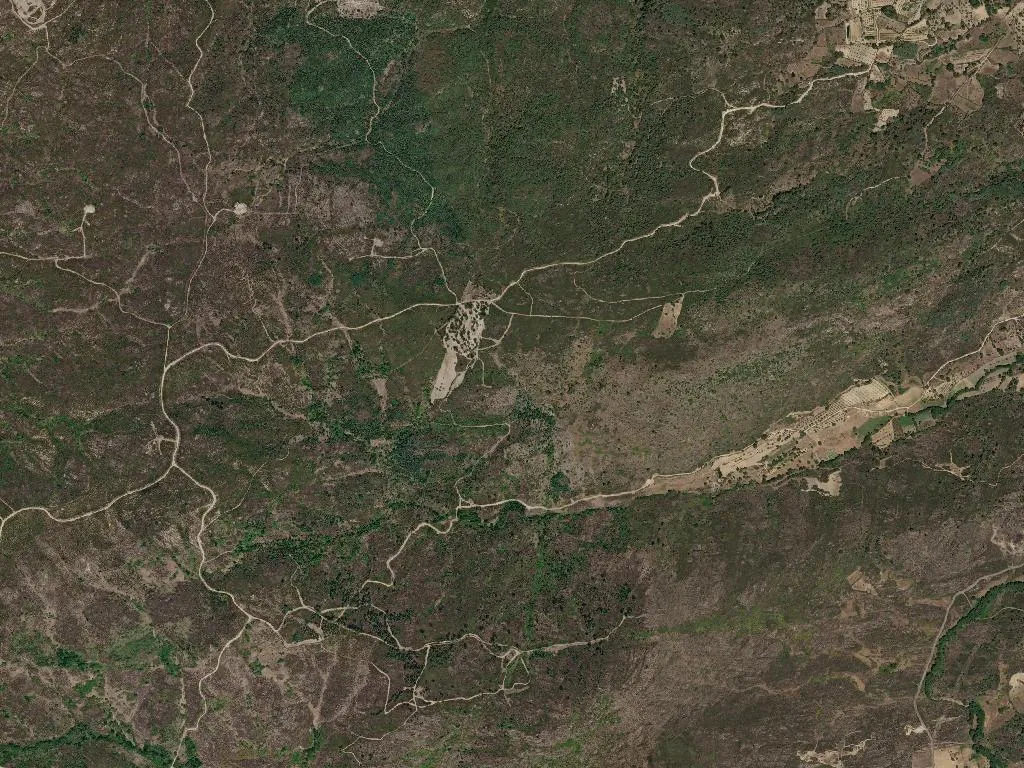
Casteleiro sits inside the 21,000-hectare Malcata Natural Reserve, Portugal’s last refuge for the Iberian lynx. Trails corkscrew through holm-oak and pyrenean oak, climb quartzite ridges, then drop to the Ribeiro de Casteleiro that feeds the Côa river. Dawn brings roe deer onto clearings; dusk slips genets across roofs like liquid shadow. Above, Bonelli’s eagles ride thermals while red kites tilt at the wind. Walking here is an exercise in patience: read prints, decipher light, carry spring water that tastes faintly of iron.
Arithmetic of staying
Officially 311 inhabitants, 181 over sixty-five. At seven people per square kilometre the parish should be hollow—yet the bakery counter in Vilar Maior stocks broa made by Joaquim’s wife, the daily milk van still reaches Zé Manel’s gate, and every August two French families pay €90 a night to wake to a view of unbroken maquis. António has converted his father’s house into two guest rooms: no minibar, no spa, just nightjars where a soundtrack should be. Sunday kid is served only on Sunday—no exceptions.
Smoke climbs vertically again at dusk; schist cools fast once the sun slips behind Marofa ridge. What remains is the scent of oak logs, the stream’s low murmur, and the certainty that tomorrow the bell will toll and someone, somewhere, will push open a complaining door to another day of altitude and hush.