Full article about Nave: silence, olive smoke and bulls in the street
At 814 m on the Sabugal plateau, Nave trades traffic for church bells and Malcata eagles
Hide article Read full article
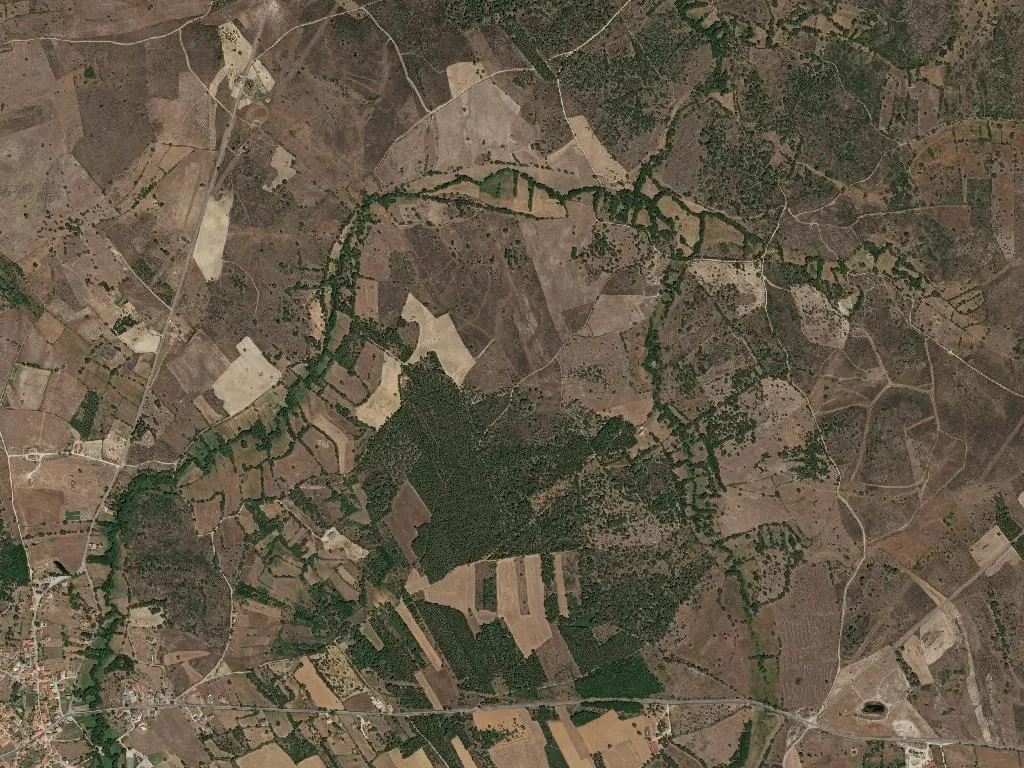
The road corkscrews up through schist and granite until the plateau widens and Nave appears: 230 souls, 814 m above sea-level, houses scattered like loose change. The air thins, sharpens, carries the resinous snap of oak smoke from curing sheds. On the horizon the Serra da Malcata cuts a charcoal line against the sky, a 16 000-hectare reserve that dictates both the view and the tempo of life. Average age: late sixties. Human density: eight per square kilometre. Translation: a silence so complete you feel it press on your eardrums, broken only by the parish bell or the echo of a dog that might be two valleys away.
Olive oil and the aftertaste of capeia
On the sun-trap slopes, thousand-year-old olive trees still produce Beira Interior DOP oil. Picking sticks are wielded exactly as they were in the 1800s: a wooden pole to shake the branches, purple fruit drumming onto nets, fingers stained for days. The resulting oil is low-acid, tomato-stem green, the first pour over kid goat that has grazed on rockrose and wild lavender—meat protected by the Cabrito da Beira geographical indication. Locals mop the juices with migas, breadcrumbs fried in the same oil, then follow with a spoonful of the region’s honeyed dessert wine, Cuesta de Tábara, smuggled in from just over the Spanish border.
The year’s pulse quickens in late August when the Capeia Arraiana arrives. Forget Seville-style pageantry: here the bull is released straight into the streets and the men—neighbours, cousins, the school caretaker—meet it with whatever cloth they’ve brought. Hooves spark on granite, denim rips, the crowd sucks its teeth in unison. The ritual predates the 1642 Spanish torching of the village; it is neither show nor sport, but a boundary-drawing exercise in a place that has always defined itself against the next mountain ridge.
Where Malcata begins
The nature reserve starts literally at the roadside: pull onto the verge, hop the drainage ditch, pass the lightning-split pine. Within five minutes phone signal dies and you’re following boar prints through heather and dwarf oak. Spring brings gorse yellow enough to sting the eyes; autumn rusts the bracken the colour of old iron. No café, no way-markers, no ranger station—just a single granite threshing floor where rye was once trodden and the wind carries the dry scent of cistus and dust. Turn back when the sun hits the escarpment, or you’ll be walking by nightfall.
Nave offers no boutique stays, no tasting menus, no Wi-Fi password. What it does give is measurable distance—vertical and horizontal—from anywhere that trades in the concept of “authenticity”. The landscape does not perform; it simply insists on being exactly, stubbornly, itself.