Full article about Quadrazais: Where Bulls Roar Through Granite Silence
Quadrazais, Sabugal: feel the Capeia Arraiana bull-run echo through granite alleys, then taste DOP olive oil and oak-fed goat under Malcata’s vulture skies
Hide article Read full article
When the bulls run through granite
One afternoon each spring the parish of Quadrazais swaps wind for noise. Steel gates swing open, half-tonne cows clatter downhill, and 380 villagers become an impromptu bull-running crew. The Capeia Arraiana – a borderland cousin of Pamplona’s encierro – turns the only paved street into a theatre of shouts, dust and split-second sidesteps. No tickets, no barricades: the granite houses are the arena, the baker doubles as steward, and grandmothers watch from first-floor windows, lace curtains twitching like matador flags.
Then silence returns. For the remaining 364 days the soundtrack is meteorological: air draining off the Serra da Malcata, riffling through 4,000 hectares of heather and strawberry-tree scrub, rattling the loose tiles on every roof.
Beira Alta’s last exhale before Spain
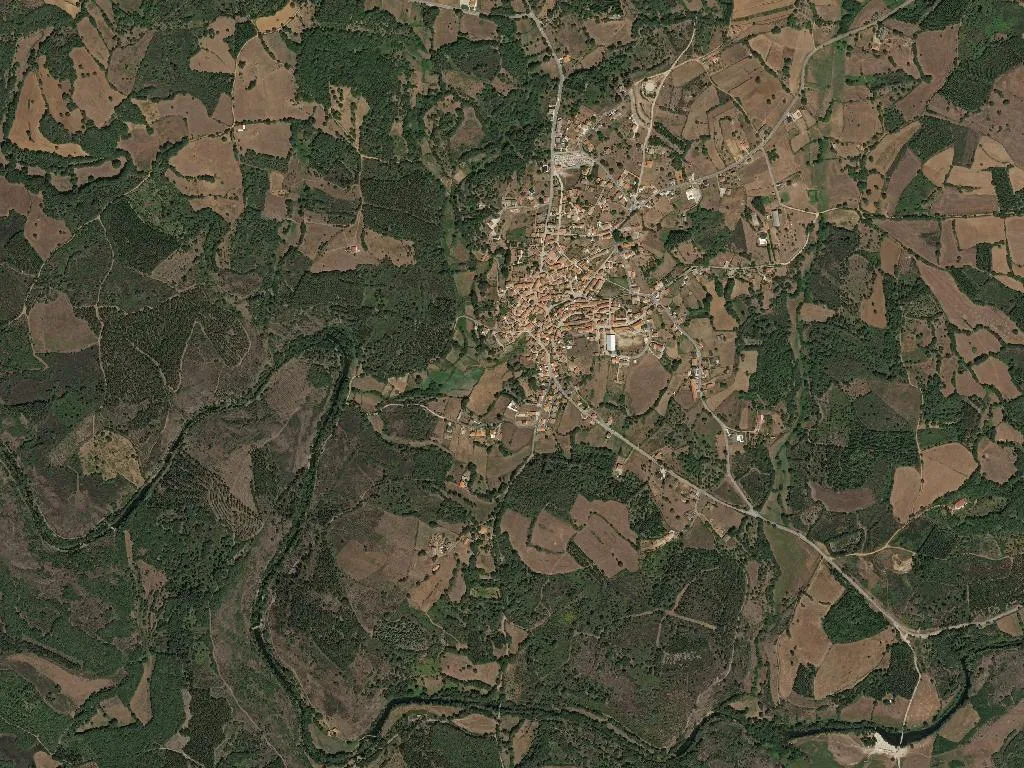
Quadrazais sits eight kilometres south-east of the fortress town of Sabugal, technically within the Guarda district since the 19th-century municipal reshuffle. In practice it faces the reserve – a relict Mediterranean forest where the last Iberian lynx vanished in 1992 and where black vultures now nest. Population density is 9.3 people per square kilometre, lower than the Scottish Highlands. Walk east and you meet frontier stones, not neighbours.
The statistics are stark: 213 of the 380 residents collect a state pension; only 27 children make the daily climb to the primary school built for 120. Yet the arithmetic is only half the story. Those who remain have become curators of an edible landscape – centenarian olive groves that yield Beira Alta DOP oil with a whisper of green tomato, and kid goats whose oak-fed meat earns the protected IGP mark. Roast one in a wood-fired oven until the skin lacquers and you understand why Michelin-starred kitchens in Lisbon now quote these foothills on their menus.
A calendar with one red-letter day
Come the last Saturday of May the village doubles in size. Cousins arrive from Coimbra, journalists from Porto, and the parish council hangs bunting that flaps like prayer flags in the Atlantic breeze. At 17:00 the first cow is released. Horns are blunted but tempers are not; men in denim and espadrilles plant themselves in the roadway, arms wide, inviting the charge. Television drones buzz overhead, yet the ritual feels older than the batteries that power them. By dusk the herd is back in stone stables, steaming in the moonlight, and the village square becomes an open-air dining room where red wine is poured from aluminium jugs and the talk is of who stood, who slipped, who ran.
Walking into the absence
Next morning the reserve reclaims the stage. Trail PR3 begins beside the lone bakery – coffee and a custard tart before 08:00, then a steady climb through black-oak and heather to Portela do Arneiro. From the 970-metre notch the Côa and Meimoa valleys unroll like opposing carpets: one golden with broom, the other shaded in holm-oak. Griffon vultures tilt on thermals; footprints in the dust could be wild boar or the forestry worker who passed at dawn. The only certainty is solitude.
Altitude as atmosphere
At 828 metres winter is a seven-month tenant. Frost arrives in October and lingers until the olive blossom in May; August evenings still demand a jumper. The soil is thin, the wind relentless, yet small parcels of Jaen and Rufete grape survive, their wine pale, peppery, almost Alpine. Locals say the mountain is a sieve: it keeps the stubborn, lets the rest slip away. Stand on the ridge at sunset, schist walls glowing like embers, and you realise Quadrazais is not frozen in time but levitating – held aloft by the refusal to be anywhere else.