Full article about Rendo’s dust-ring ballet: man, bull and silence
Rendo, Sabugal stages a secret, bloodless bull rite on a high plateau ringed by lynx-haunted Malcata hills and olive terraces
Hide article Read full article
The sound before the picture
The dull thud of hooves reaches you first, then the creak of timber barriers and a human cry that slices the plateau air. Only afterwards does the bull appear, skidding into the improvised ring of packed earth that Rendo has thrown up beside its granite cottages. Two hundred and twelve people live at 734 m on this unmarked border with Spain; thirteen of them are children, seventy-one are over sixty-five, and every year they still stage the Capeia Arraiana, a bloodless bull-wrestling ritual older than the frontier itself.
A ritual that refuses the museum
No costumes, no picadors, no tickets sold: the men who face the bull wear everyday boots and the patience of those who mend walls after winter frosts. For weeks beforehand the village counts its nails, braces the palisade, debates which animal has the right mixture of spirit and sense. When the day comes, the parish square contracts to the radius of a rope and expands again with bodies, breath, the smell of horse sweat and woodsmoke. Afterwards the timber is stacked for next year, the bull returns to pasture, and the silence that settles over two thousand hectares of rockrose and olive feels even deeper than before.
Between lynx country and the olive press
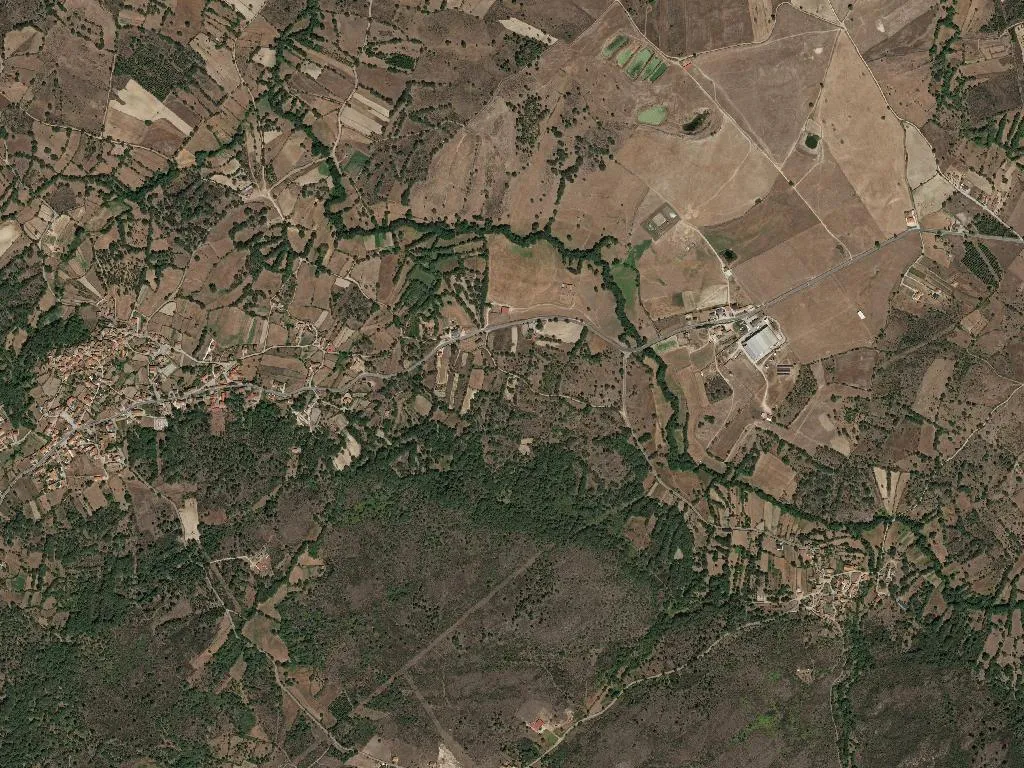
South of the village the Serra da Malcata Natural Reserve keeps Iberian lynx under its cloak of heather and stone-pine. Walk the crests at dawn and the only interruption is the slow shadow of a golden eagle or the sudden rustle of a boar through the gorse. Light ricochets: low and rose-gold at sunrise, blanched by midday, honeyed again across the grey-green olive terraces that produce Beira Alta DOP oil. In the troughs between ridges, thyme and lavender release their resin when the wind scissors across the stones.
The oil arrives at table with bread still warm from a wood-fired oven; the rest of the meal is decided by season—kid roasted with nothing more than salt, garlic and a splash of homemade red that tastes of dried fig and schist. Every ingredient earns its place; garnish is considered an insult.
Geography of a line that never quite hardened
Rendo sits where Portugal leaks into Spain without signage. Families switch between Portuguese and the Rionorês dialect mid-sentence; the parish council still keeps records in which Portuguese first names are followed by Spanish surnames. During the 1940s the dirt track east was a contraband artery—coffee beans stitched into coat linings, sugar cones wrapped in hay bales, night walks navigated by the smell of resin and the angle of the moon. The road is paved now, but on winter mornings the fog rising from the Côa river erases both asphalt and frontier, and the bell of the sixteenth-century church counts only local time.