Full article about Wind-bitten ridge of Ruvina, Ruivós & Vale das Éguas
Granite hamlets share silence, wood-smoke and a single cock-crow above Sabugal
Hide article Read full article
The wind doesn’t blow here, it settles
It presses against slate doors, insinuates itself through keyholes, carrying the rasp of heather and the low, woody perfume of smokehouses that clings to shirts on the washing line. At 761 m the eye level is exactly the same as it was for your grandmother: a rolling upholstery of gorse hacked by lone maritime pines that manage to root where the ground is more quartz than soil. Silence has a gastric note – not absence but appetite, a hollow you learn to live with. One cock-crow down in Vale das Éguas is enough for Ruvina and Ruivós to know it’s Sunday.
Three names, one ridge
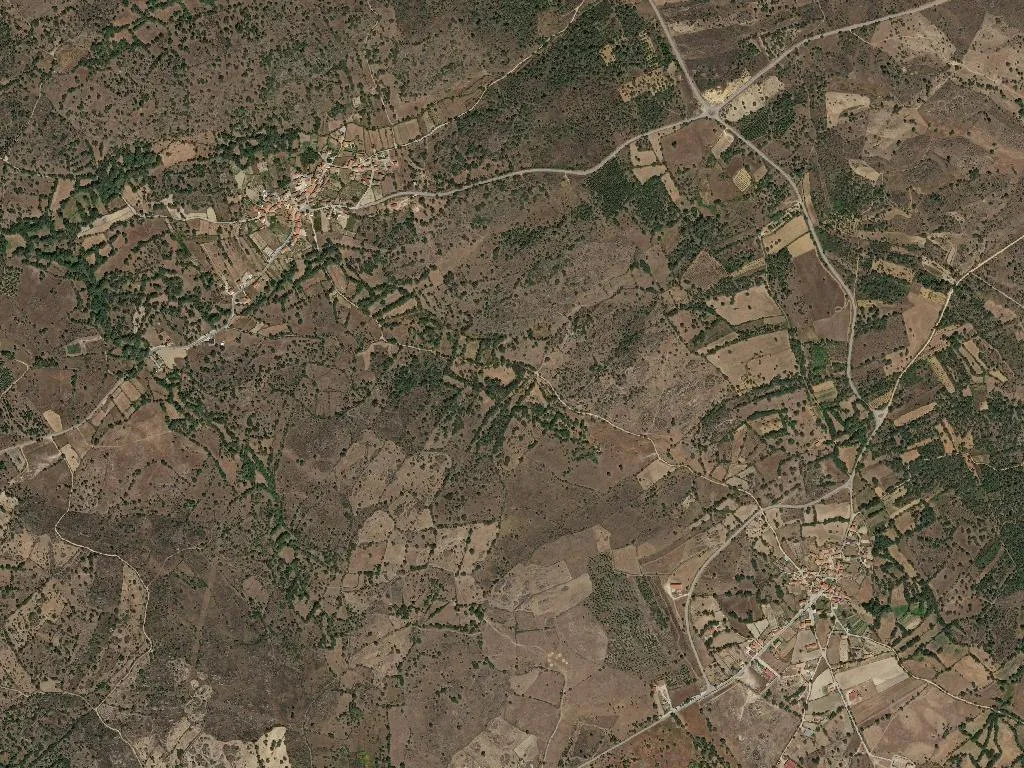
The civil parish merger only rubber-stamped what the footpaths had been doing for centuries. Ruvina people still say “I’m going down there” when they mean Ruivós, as though distance could be folded into a sentence. Houses sprouted wherever the granite allowed; Ruvina’s church sits on the crown, and from its threshold the ground slides away on rain-slick schist slabs. Vale das Éguas tucks itself into a natural amphitheatre, safely out of January’s north wind that razors cheeks raw.
Calendar of the borderlands
Capeia – the autumn horse festival – is when the year exhales. No fixed date; it waits for the moon and a dry forecast. Four weeks earlier the preparations begin: the hayloft swept for visiting horses, lassords re-spliced, brasses polished. On the morning, women in Ruvina haul out the cast-iron pot reserved solely for cozido; while the men ride to the makeshift bullring, the women stand in the lane tending cauldrons of sarrabulho rice, swapping recipes no one writes down yet everyone knows by heart.
Flavours that stay with you
Kid goat spends the night in a clay bowl marinading with backyard bay, then slides into the wood oven at dawn. The winter chouriço – meat, not the fat-based summer sort – hangs three days in the smokehouse before it sees the grill. Maria do Carmo, who has run the village café since 1987, serves it with corn broa that still goes into the oven every Wednesday. The red comes from Toninho: 300 bottles last year, “for the grandchildren”, he claims, though he’s happy to uncork one when a visitor shows competent curiosity.
In the lee of Malcata
The Serra da Malcata rears up five kilometres as the raven flies, fifteen by the corkscrew road and another three on foot beside the Ribeira de São Pedro. In high summer you carry spring water – no kiosk, no shade, only bee-hum and the metallic tang of sun-roasted rosemary. No one admits to seeing an Iberian lynx, but Zé Manel from Ruivós swears one stole his chicken last October: “Size of a border collie, tufted ears, stumpy tail,” he insists, brandishing a blurred phone shot as evidence.
At dusk the smoke rises dead-straight from chimney rows – kitchens frying streaky bacon for anyone who skipped supper. Behind lit windows you catch silhouettes stirring pots. The primary school shut a decade ago, yet the football posts still stand where Joaquim’s grandson scored the last goal in 2014: five children to 105 pensioners, demographics speaking truths no one cares to hear. The villages stay alive while the bread oven keeps its embers, while the stream still carries snow-melt, while the wind ferries mountain scent down-valley and drags the smell of home back up again.