Full article about Sameice & Santa Eulália: Where Granite Remembers
Walk União das freguesias de Sameice e Santa Eulália for Manueline fountains, coat-of-arms manors and Serra da Estrela cheese that drips like promise.
Hide article Read full article
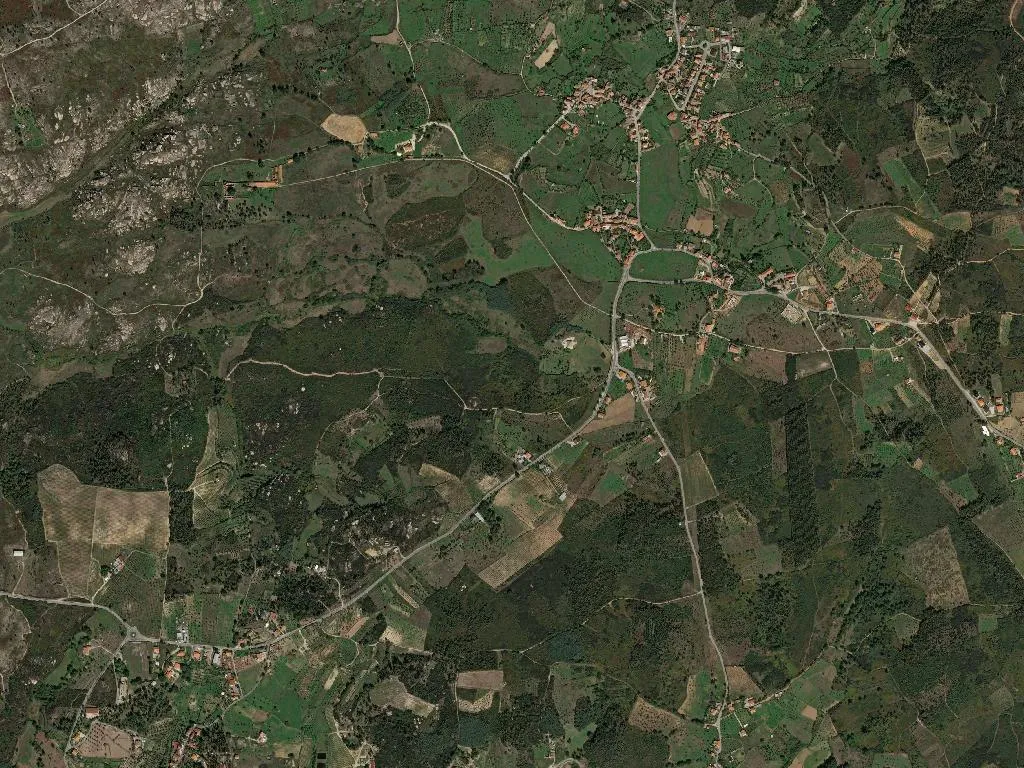
The hush is monastic, but not the curated kind you buy on a meditation app. In Sameice and Santa Eulália the silence has mass: when the wind drops you can almost hear granite thinking. The two villages were welded together in 2013 into a single parish of 508 souls – 193 of them over 65 – just enough people to justify a parish council, a bar that opens when Zé feels like it, and a landscape that still can’t decide whether it is hillside or high sierra.
Stone with a memory and coats of arms to spare
Americans photograph the Casa do Morgado de Santa Eulália as if it were a National Trust trophy; locals shrug and call it “Uncle’s place”. The façade carries more carved escutcheons than Arsenal has silverware: granite shields announcing families who left land, debts and – above all – stone. Next door the Solar dos Condes Arnosos stands like a testy grandfather, façade severe, windows tall, door groaning “not this way” every time you try it.
The Fonte do Amieiro functions as the parish noticeboard. Elderly women fill plastic carafes, men debate Sporting’s midfield, and the younger generation… aren’t here. They’re in France. The fountain is early-16th-century Manueline for anyone keeping score; for everyone else it is simply where you top up before driving into the Serra.
Cheese that weeps, lamb you lick off your fingers
Four things are non-negotiable at table: Serra da Estrela DOP cheese that oozes through its own rind like a broken promise; roast kid you eat with your hands, fingertips later licked clean; olive oil the colour of emerald ink; and Dão wine – never just “red”, always “red from the Dão”, as though it were a person you might run into at the shop.
Breakfast is requeijão on rye bread that could chip a tooth, but worth the dental risk. Kid appears only on feast days; lamb is for Tuesdays you decide to call a feast. Somewhere an uncle insists his lamb tastes better because the animals graze mountain grass – the same uncle who once claimed a cousin owned a skyscraper in Manhattan.
Trails through the Estrela Geopark
UNESCO-branded Geopark status gives Germans an excuse to hike in gaiters and brandish selfie poles, but the trails deserve the footfall. There are no stainless-steel viewpoints, just schist walls older than most marriages and glacial erratics placed, it seems, to baffle passing geologists. The Rio Seia runs straighter than a manifesto promise.
Bedrooms are scarce: three, to be exact. Dona Amélia rents her children’s old rooms – “they’re in Paris, back for Christmas”. A Frenchman bought Grandfather’s house and filled it with dime-a-dozen porcelain Buddhas. The third place changes hands so often the key-keeper only shrugs: “people come and go”.
The parish council occupies the former primary school on Rua dos Paços – first classrooms, then registry office, now the place you complain that the morning bus no longer stops. Five hundred and eight people feel like twice that when the council debates where to site the new wheelie bin.
Late afternoon sun hits the granite and the whole village turns the colour of heather honey. Suddenly you understand why no one really leaves – or, if they do, why they reappear at Christmas, rucksack full of French cheese nobody wants. The silence can’t be bottled, the cheese can’t be industrialised, and the spring still runs with the same water that filled your great-grandmother’s jug. Only the drinker changes.