Full article about Santiago: Slow Beira Village Where Time Runs on Oak Smoke
Stone wells, marble ridges and 451 m of quiet: Santiago guards the gateway to Serra da Estrela.
Hide article Read full article
Dawn at 451 Metres
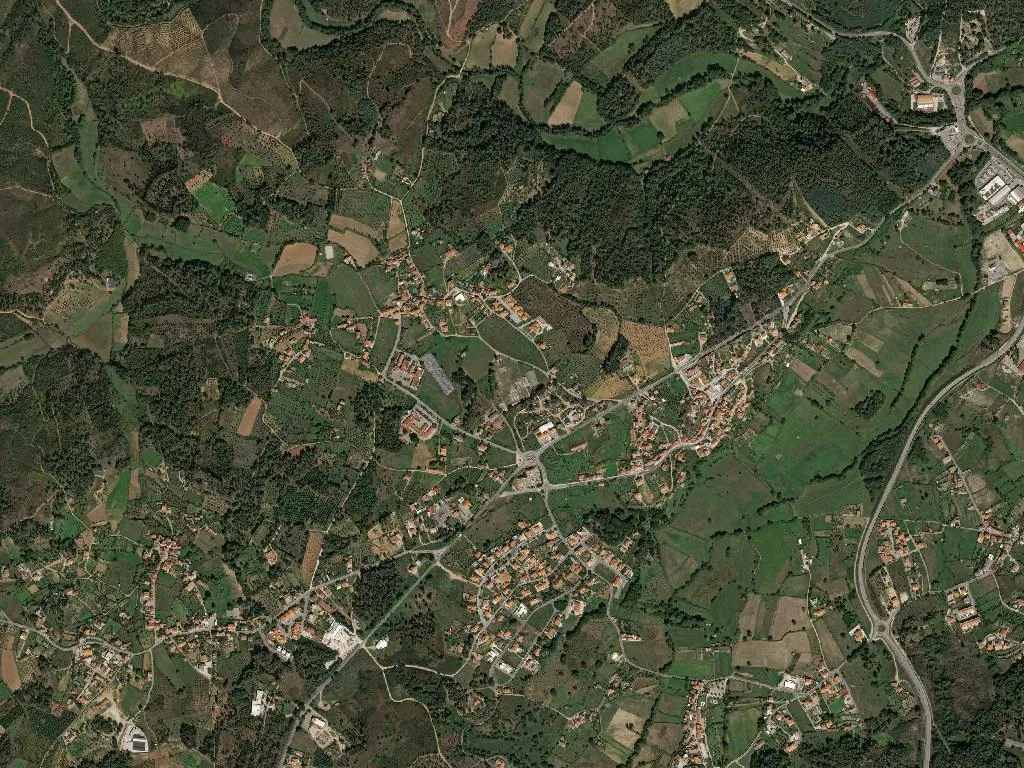
The scent of burning oak slips through the lanes before six, while the baker’s boots still echo up Rua do Forno. At 451 m above sea-level, Santiago occupies 7.84 km² of the Beira plateau and is home to 1,163 souls—776 fewer than the census takers found in 1981. Depopulation has a door number: Joaquim Matias’s house, No 14, stood dark last Christmas; Adérito’s workshop locked its shutters in 2019 when no apprentice came forward.
The Beira Larder
Friday’s cheese arrives from Quinta do Cabeço, where José Dias still cards warm curd at 07.30, grandfather-style. The difference is volume: 380 litres now travel daily to Seia’s dairy co-op, five times the 1973 haul that once fed four children. The kid roasting in the wood-fired oven at O Abrugo carries the IGP seal—Protected Geographical Indication—but the seasoning is Fernanda’s, unchanged since she took over the pans in 1991. She can gauge, to the gram, the weight of goats born 12 km away in Videmonte, where the municipal abattoir still opens its gates every Tuesday morning.
Where the Park Begins
Municipal road 518-1 climbs 3 km to the stone that reads “DGOTDU, 1952”, a relic of Portugal’s old planning ministry and the invisible frontier of the Serra da Estrela Natural Park. From here the PR1-SGN footpath cuts across the São Romão crags, where 480-million-year-old schist from the Douro Complex butts against the Santa Marta marble granite. At the 2.4 km mark the Ribeiro de Santiago spring bubbles up; since 1967 it has fed the village pipeline, replacing the courtyard wells still visible as stone circles in every other back garden.
Clocks Run Differently
O Cantinho grocery opens at 08.30—“or whenever Dona Lurdes gets here”. If her grandson has a paediatric slot in Seia, that can mean 09.15. Plastic is useless: credit is entered in a spiral notebook between pages 42 and 43, 27 names still active. At 16.30 conversation pauses outside Café Celta; Transdev’s bus 314 makes its once-daily ascent, bringing pharmacy orders and registered post. In December the sun drops behind Carril ridge at 18.04; cork and oak logs, licensed since 2018 to the town hall, catch light in 1934-built hearths. Up the chimneys drifts the same aroma of crust and ash the baker’s elder sister remembers from wartime ration queues—proof that, although 776 neighbours have vanished, Santiago’s air has not altered.