Full article about São Romão: Granite Plateau Above the Clouds
São Romão, Seia, Guarda: sleep amid stone cottages at 1,096 m, taste altitude-forged Dão wines, Serra da Estrela cheese and silence below Torre ski lift
Hide article Read full article
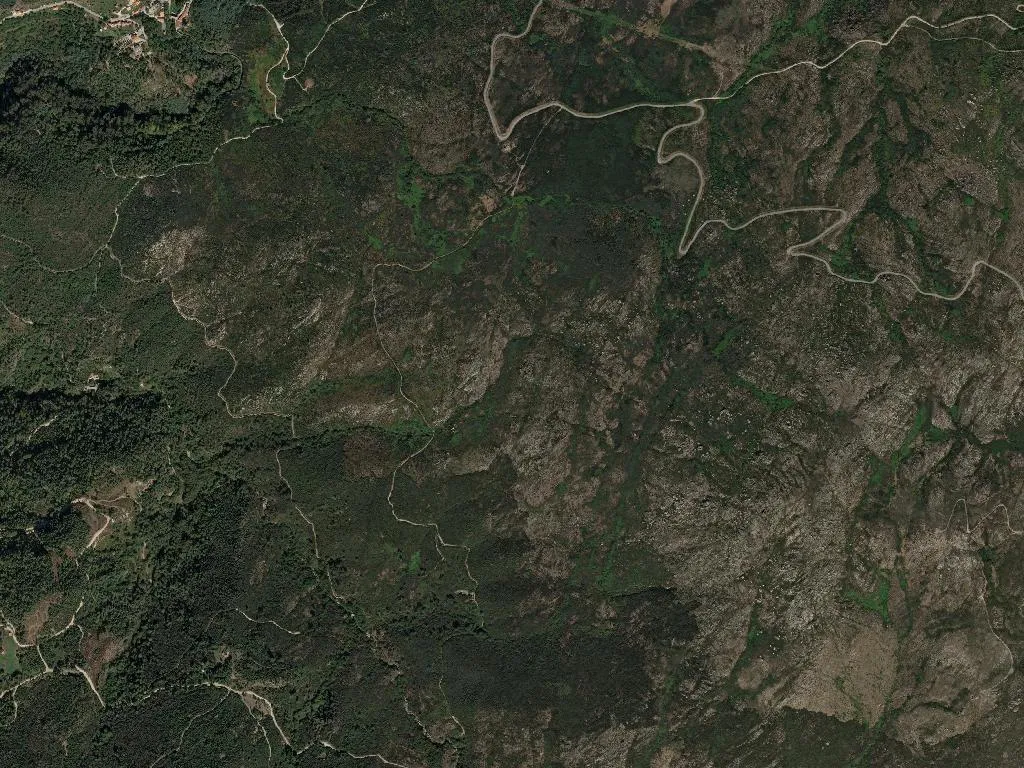
Granite lifts itself into a plateau at 1,096 m, the air arriving in your lungs with a cold dryness that forces a deeper breath. São Romão spills across the upper slopes of the Serra da Estrela, a territory of extremes where winter skins your knuckles and summer stones grow hot enough to scorch bare feet. Population density—161 people per km²—sounds crowded until you realise it describes scatter, not cluster: schist-and-granite houses tucked into terraces and sheep walks, each dwelling angled to the cant of the mountain.
Height & Livelihood
Altitude is destiny. The parish’s 2,253 ha lie inside both the Serra da Estrela Natural Park and the UNESCO-rated Estrela Geopark; geology juts through every crag and centuries-old retaining wall. Vineyards here brush the ceiling of the Dão region: brutal diurnal swings trap sugar and razor-edge acidity in the grapes, yielding wines that taste of the place’s own stubbornness.
Pasture, not plough, rules the kitchen. Serra da Estrela DOP cheese—raw Bordaleira ewe’s milk, cardoon thistle rennet—ripens in cool cellars where humidity stays locked at cellar-perfect levels. The same milk becomes Serra da Estrela DOP requeijão, a spoonable, faintly sharp curd that marries with dense rye bread baked to survive the week. Mountain lamb and kid graze on heather and broom; their meat is lean, almost gamey. Beira Alta DOP olive oil, pressed from cold-resistant varieties, finishes slow stews that fortify against frost still possible in May.
A Community Turning
Census 2021 counts 2,902 souls, 822 of them over 65 and only 324 under 14. Yet twelve registered lodgings—ranging from granite cottages to glass-walled cabins—signal a quiet counter-current of visitors who want altitude and silence within twenty minutes of the Vodafone ski lift at Torre. There is no Insta-ready viewpoint, no marquee monument. Beauty accrues: dry-stone walls climbing a shoulder of gorse, a cobbled footpath polished by decades of hooves, a granite spout delivering snow-melt cold enough to numb teeth. Smokehouses still operate; chorizos hang over smouldering oak, releasing a blue haze that drifts through the lanes on windless mornings.
Where the Ridge Breathes
Walking here demands thighs that remember gradients. Trails follow watercourses or exposed ridges where the wind tests your jacket’s zip. In winter, snow can seal the village for a week; in August, light ricochets off granite so brightly it hurts. Where soil gives up, gorse and heather take over, a grey-green mantle that flares yellow in spring.
Night is ink-black and audible. Without light pollution, the Milky Way feels close enough to snag on the hawthorns. Silence is composite: wind riffling through stone joints, a distant mastiff announcing stray ewes, the soft clonk of bells as sheep shift in the dark. The landscape yields nothing quickly; it asks you to clock the vertical column of dawn smoke, to notice how rain on granite smells like struck flint, to feel the hush when the wind finally drops.
Between 2011 and 2021 São Romão lost 390 residents—12 per cent of its population. The primary school shut in 2018; children now ride 18 km daily to Seia.