Full article about Fiães: Bell, Ruin & Chestnut Smoke
Cistercian stones, fading pilgrim cistern and DOP chestnut groves in Guarda’s emptiest parish.
Hide article Read full article
The metal bell that rings for no one
The morning granite is still cold when a lone bell gives a metallic cough—wind nudging the clapper of Igreja Matriz, not a summons to mass. Around the churchyard cross, moss cushions the joints of 18-century stone. Few visitors notice the slit in the plinth: a medieval cistern that once slaked pilgrims following the lesser-known Via Lusitana Interior towards Santiago. Today only pawprints of village dogs disturb the packed earth where scallop-shell way-marks fade into weeds.
Stone that remembers, stone that holds its tongue
Beyond the last house, bramble and gorse have moved into the Cistercian monastery that a 16-century abbot of Clairvaux wept over. Roofs have gone, leaving the skeletal choir and a chapter house open to the sky; late sun throws honey-coloured light across grass growing between fallen ashlars. Protected as a public monument since 1978, the ruin is quietly photogenic at dusk when the stone warms to amber.
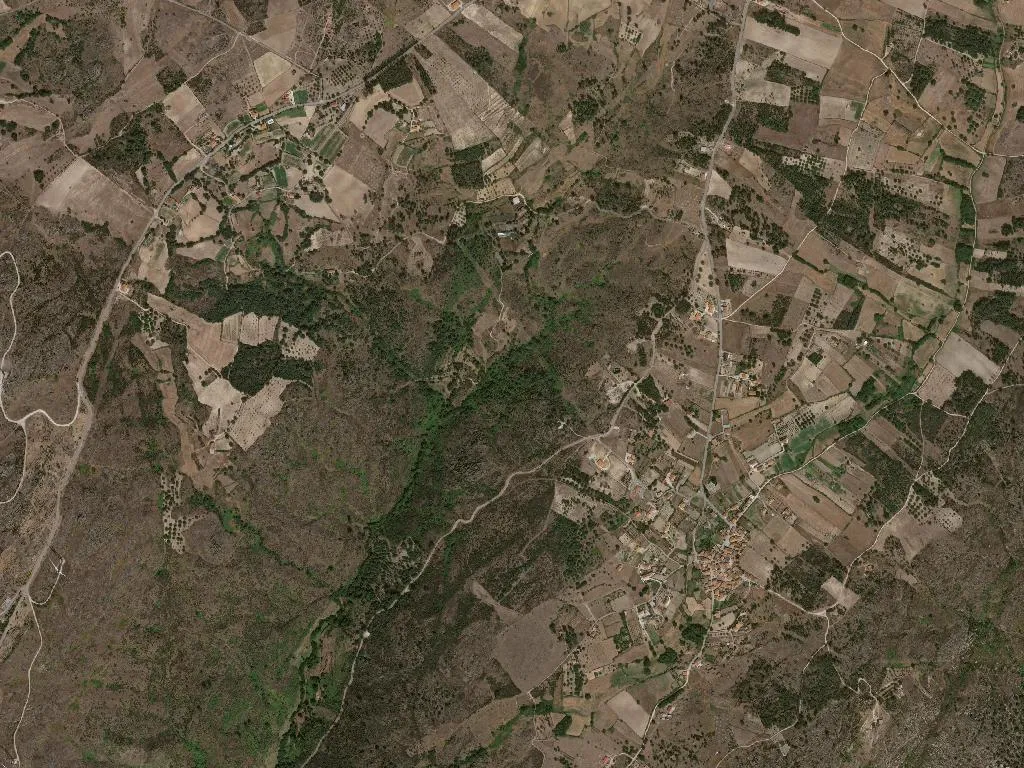
Nearby, granite manors still display coats of arms washed almost smooth by Atlantic weather. Rural nobility left their escutcheons but took their children—67 of the present 181 residents are over 65. With 19 inhabitants per square kilometre, Fiães is among the emptiest parishes in Guarda district, yet it produces, per capita, more DOP chestnuts than anywhere else in Portugal: 30 tonnes a year from ancient groves planted at 738 m on the planalto.
Cooking at cloud level
The Soutos da Lapa DOP chestnut turns up in soups, autumn fritters and, unexpectedly, in a rich lamb ensopado made with Serra da Estrela DOP meat. Local kid (Beira IGP) is pot-roasted with mountain pennyroyal and savoury; clay casseroles exhale a scent that mingles with wood-smoke from open hearths. On chilly afternoons, broa crumbs are fried with kale and borlotti beans—a hand-warming prelude to a stomach-warming supper. Serra cheese and cloud-thick requeijão arrive with rye bread or heather honey; Beira Interior reds—trincadeira, touriga nacional—grip the palate and invite another slice of black-pork chouriço.
Scallop shells and chestnut trails
The seven-kilometre Castanheiro footpath drops from Fiães to Moreira through silent oak and chestnut where a sudden blue-black blackbird or the clatter of a jay is the only interruption. The Fiães stream slides over algae-slick granite, forming pools sharp enough to steal breath. In April, gorse and broom ignite the hillsides yellow within the Natura 2000 site that also shelters shaggy Bordaleira sheep. Many of the centenarian chestnuts were set in rows by the same monks whose abbey now lies roofless.
When light drains and cold rises from the valley, the church bell answers the wind again. No crowd, no hurry—only the same metallic echo medieval pilgrims heard when they refilled gourds at the foot of the cross before starting the climb towards Galicia.